The not-for-profit and its health research are a testament to the idea that all innovation is related—even when the connection appears tenuous at first glance.
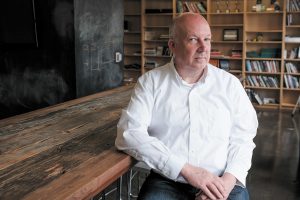
Innovation means not just exploring new frontiers but also solving problems while doing so. And Christopher Vice, now at Studio Science, has a resume that reflects a career doing just that.
Design thinking has been around since at least the 1960s, and initially, its focus was in areas such as architecture, graphic design and industrial design, to produce physical products. But today, design thinking is used nearly everywhere. You can try it, too.
Design thinking is generally described as a five-step process, with specific names for each step. But in reality, the people and companies that use design thinking adapt their own take on it, by combining or breaking out some of the steps or using a more conceptual approach.
While numerous Indianapolis-area restaurants are looking forward to reopening their dining rooms this week, many others are no longer around to get the chance.
Two public health experts field questions vexing families with children, including topics such as grandparents, youth sports, preschools, masks, eating out and taking safe vacations.
Washington, D.C.-area-based Maximus is taking on a critical, massive assignment: helping health departments across Indiana contact people who have tested positive for COVID-19 to learn whom they might have exposed.
Eight Indiana-based public companies have disclosed that they qualified for more than $61 million in relief loans from a federal program designed to help small businesses.
The change to the way tax incentives are awarded is part of the city’s quest to achieve “inclusive economic growth” by growing opportunities for the city’s middle class and poor, and came as the result of years of research.
The design of the long-anticipated project was originally set to be unveiled by the end of 2018, but has been delayed several times—most recently this spring, as the pandemic began to sweep across the United States.
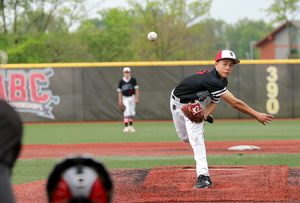
The Grand Park Sports Campus in Westfield has a preliminary plan to begin reopening on May 24, but it wants to make sure the public is OK with the steps it is taking to reactivate youth sports.
Claiming an IDEM official gave “disparate treatment out of sheer vindictiveness” and “orchestrated a campaign of official harassment,” environmental consultants and business owners have filed a lawsuit against the Indiana Department of Environment Management and a deputy assistant commissioner.
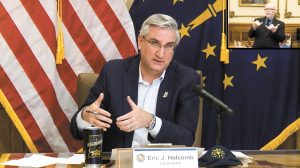
According to a recent poll conducted by Indy Politics and Change Research, 63% of Hoosiers say they approve of how Holcomb has responded to the pandemic, and 54% say the state is headed in the right direction. But Holcomb’s overall approval rate—at 47%—trailed the numbers for his handling of the coronavirus crisis.