The hunger challenge among our youth and the associated health consequences affect academic performance and achievement, leading to tremendous societal costs.
Weeks after ordering all Food and Drug Administration employees back into the office, the agency is allowing some of its most prized staffers to work remotely.
The federal government’s role in education is essential. Funding under the Individuals with Disabilities Education Act and Title I helps ensure equitable opportunities for all students.
While many hospital systems are using some form of artificial intelligence to streamline administrative tasks, some, like Community, are taking it a step further, using it to inform some aspects of patient care.
LCFS provides the programs in collaboration with a host of community partners, including Community Hospital East, Indianapolis Public Schools and Gleaners Food Bank of Indiana, and with funding from the United Way, Lilly Endowment Inc. and Central Indiana Community Foundation.
Over the course of a decade, Indiana’s per-enrollee costs for certain Medicaid recipients are expected to surge by 43% and 72% for lower-income and elderly Hoosiers, respectively.
As the Greenfield-based animal health company prepares to move into its new neighborhood, it’s working with community partners to help ensure some of its new neighbors have adequate food access.
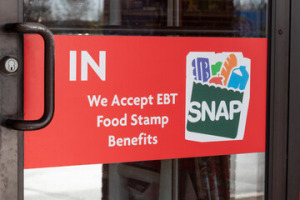
States like Indiana must use their own dollars to keep funds flowing to families or let it lapse, a move that could cut benefits for tens of thousands of Hoosiers.
SNAP regularly costs the federal government about $9 billion a month. But the federal shutdown, which has lasted more than a month, has affected the program because Congress has not appropriated new funds for it.
In response to Attorney General Todd Rokita’s social media posts, Indianapolis Mayor Joe Hogsett told The Indiana Lawyer that he discourages any request for a National Guard intervention.
The plan is described as a “collaborative effort” to be jointly led by the Indiana Family and Social Services Administration and the Indiana Department of Health.
Join us at one of our three remaining events. We will celebrate CEOs and C-Suite leadership on Tuesday and conduct the Corporate Counsel Power Breakfast on Dec. 9.