Welcome to IBJ's “Business Cares: Heart Health Awareness” Microsite
We all know that exercise is one path to a healthy heart. But exercise doesn't just mean going to the gym or going for an evening run. It can also be incorporated into your workday. This is especially important if you work in an office, where sitting at a desk or around a conference table all day can be harmful to your heart health. On this year's “Business Cares: Heart Health Awareness” microsite, you'll find a column from Hancock Health about how to counter the negative physical effects of an office job. Here are the other topics you'll find on the microsite—part of our annual effort to spread the word about keeping hearts healthy.
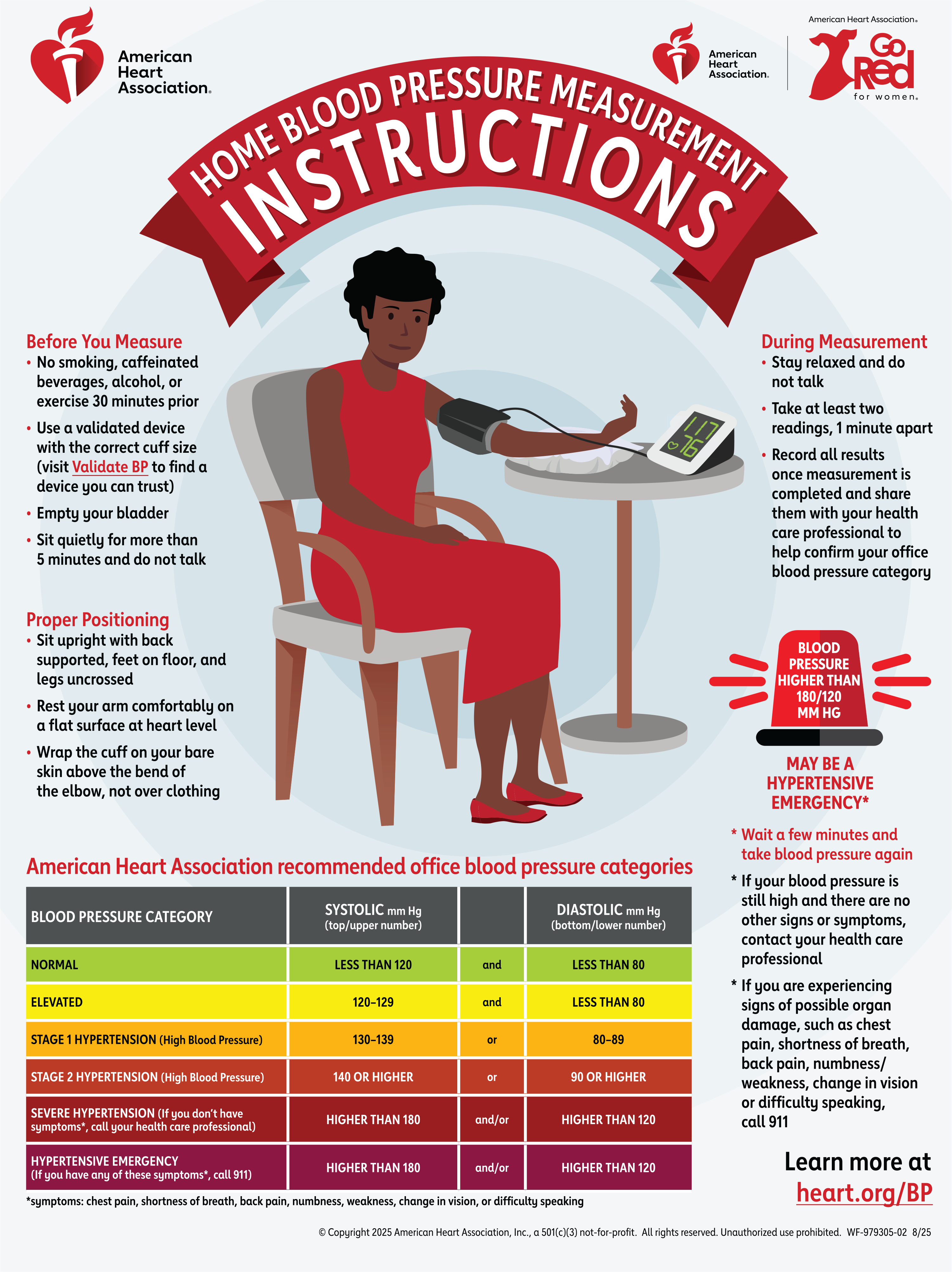
- Valuable tips for measuring your blood pressure at home.
- The good work that genetic counselors can do to help entire families when even one member is diagnosed as having a genetic condition that affects heart health.
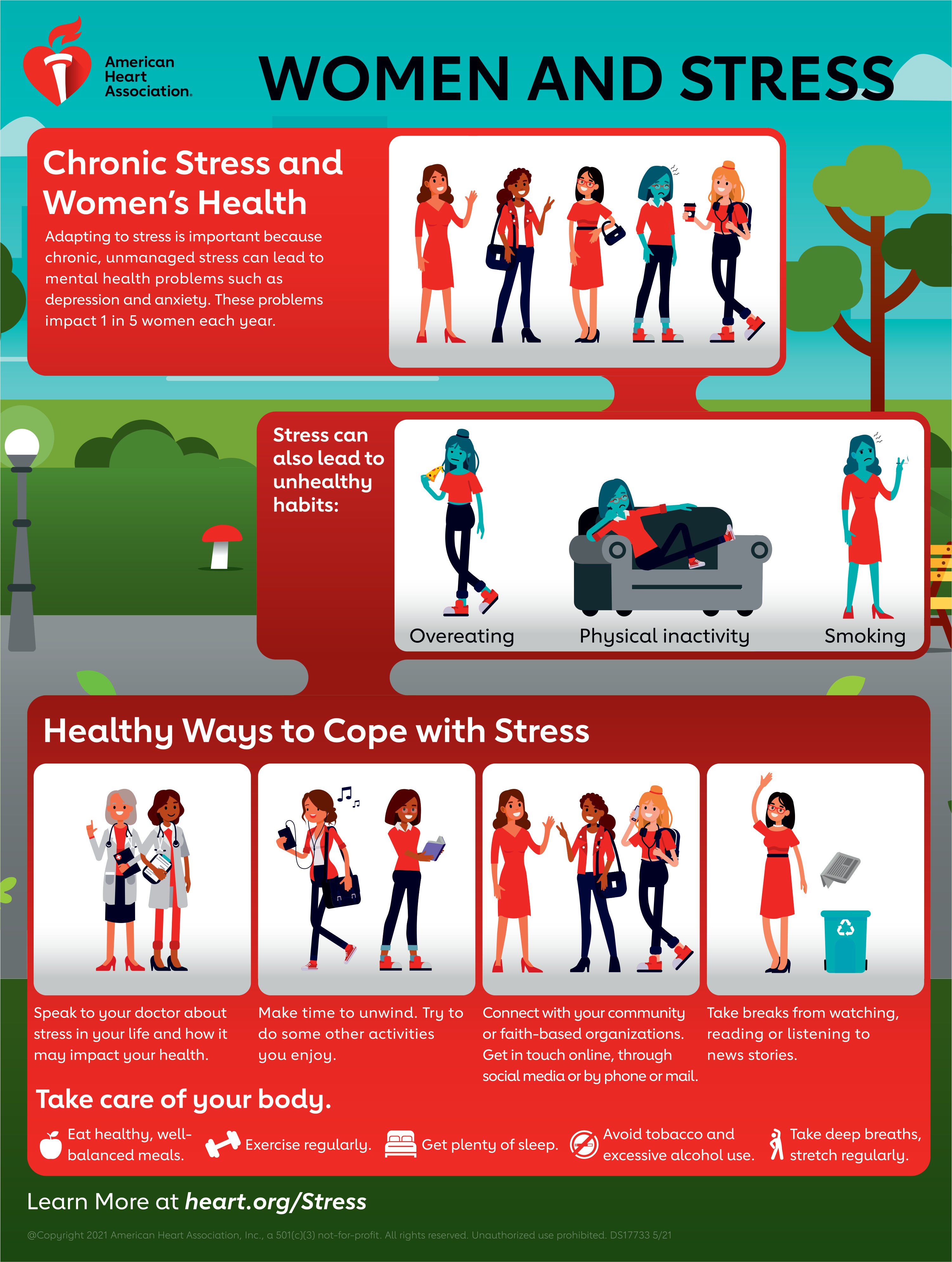
- A reminder to women that the heart issues they might experience are unique and often involve symptoms much different than what men usually experience. There's also a chart to help women learn how to cope with stress.
- Meet a local attorney and statehouse lobbyist whose passion for heart health awareness led her to become the chair of this year's American Heart Association Go Red for Women campaign.
- The story of a local bank branch manager who listened to his wife and went to the hospital when mysterious symptoms became too much to ignore. That trip to the hospital saved his life.
- A calendar of February heart health events in and around Indianapolis.
Thanks to the 13 companies and organizations listed below that sponsored this important section of IBJ. Their investment will fund a Heart Health awareness campaign this February and March via print, digital and e-newsletter platforms.
And thanks to our readers. We hope you’ll support our sponsors as they join all of us in working to improve awareness about heart health.
Sincerely,

Nate Feltman
Publisher & CEO
Students at more than 400 schools in Indiana will begin participating in the American Heart Association's Kids Heart Challenge program. During the program students will get moving with fun activities, learn about keeping their hearts and brains healthy and feel great about helping others. Learn more at heart.org/schools.
The American Heart Association and Ascension St.Vincent will offer free Hands-Only CPR trainings during the Indiana Pacers games that kick off Heart Month.
On National Wear Red Day, thousands of people, including employees at more than 10,000 companies across the country, will wear red to support the start of American Heart Month. This year is the 25th annual National Wear Red Day. Post a picture of yourself wearing red using the hashtag #IndyGoesRed and tag @AHAIndiana on Facebook, Twitter or Instagram.
Congenital heart defects affect nine of every 1,000 births and are one of the leading causes of death for infants less than 1 year of age. Thanks to years of research and medical advancements many congenital heart defects can be fixed.
The 22nd annual Go Red for Women Experience is the cornerstone event of the Go Red for Women campaign, celebrating achievements in helping women live longer, healthier lives. This year attendees will learn the lifesaving skill of Hands-Only CPR while hearing from heart disease survivors and local leaders. For more information, visit www.heart.org/indygoesred.
You can't outrun a bad workday:
Why exercise alone isn't enough for heart health
By Dr. David Mossler
Does this sound familiar? You're committed to exercising regularly with early morning workouts, evening runs, or weekend fitness classes, but your job requires you to sit in front of a computer most of the day. You're lucky if you get seven hours of sleep each night, and you live under constant deadlines. You tell yourself that as long as you exercise, you're doing enough for your heart.
Regular physical activity is undeniably beneficial, and I encourage it for nearly every patient I see. But here's the uncomfortable truth: exercise alone cannot fully undo the cardiovascular strain caused by chronic stress, prolonged sitting, and insufficient sleep. For many busy professionals, the workday itself quietly undermines the benefits they earn at the gym.
The hidden damage of the modern workday
The modern workday presents a unique set of cardiovascular challenges. Prolonged sitting affects cholesterol levels, disrupts glucose metabolism, and promotes inflammation. Even people who are otherwise fit are not immune. Research shows that long periods of inactivity carry independent cardiovascular risk, even if you exercise for the recommended 150 minutes per week.

Chronic stress compounds the problem. Tight deadlines, constant notifications, and the pressure to always be “on” keep the body in a state of heightened alert. This persistent activation of the stress response raises cortisol levels, which over time are linked to high blood pressure, weight gain, and accumulation of fat deposits in the blood vessels.
Metabolic consequences often follow. Insulin resistance can develop, increasing the likelihood of weight gain, diabetes, and cardiovascular disease. These changes rarely happen overnight. Instead, they accumulate quietly over years, often without obvious symptoms—until a serious problem finally appears.
What exercise can—and can't—do for the heart
Let's start with the positives. Exercise improves heart health in several meaningful ways. It lowers blood pressure, improves cholesterol levels by raising “good” HDL and lowering “bad” LDL, and enhances insulin sensitivity, helping the body manage blood sugar more effectively. These benefits are powerful and well-documented.
But exercise has limits. A number of factors contribute to heart health. Think of exercise as one essential pillar of heart health—but not the entire structure. When the rest of the foundation is weak, that pillar can only do so much.
High-impact changes that fit a real workday
The good news is that meaningful improvements don't require dramatic overhauls. Small, consistent changes can yield significant cardiovascular benefits.

Start with movement during the workday. Break up long periods of sitting by standing, stretching, or walking every 30 to 60 minutes. Schedule walking meetings when appropriate, take phone calls while standing, use the stairs instead of the elevator, or park farther from the entrance. These brief bouts of movement improve circulation and metabolism. When it comes to counteracting sitting, frequency matters more than intensity.
Sleep is another critical component of heart health. According to the National Sleep Foundation, adults should aim for seven to nine hours of sleep per night. Yet roughly one in three adults regularly falls short. Poor sleep is associated with increased inflammation, higher blood pressure, weight gain, and a greater risk of heart disease.
Busy professionals often view sleep as negotiable, but cardiovascular health demands that it be prioritized. Treat sleep like an essential meeting—one you don't cancel. Progress matters more than perfection, and even small improvements in sleep duration and consistency can make a noticeable difference over time.
Nutrition also plays a central role. Skipping meals or relying on ultra-processed convenience foods may seem efficient, but it destabilizes blood sugar and energy levels, placing additional stress on the heart. Planning meals ahead and focusing on foods that are high in protein and fiber and low in added sugars can help maintain steady energy and reduce metabolic strain throughout the day.
Strive for balance—not perfection
None of this is meant to induce guilt or set unrealistic expectations. The message is simple: keep exercising, but don't let it excuse harmful daily habits.
Heart health is built into how you work, how you rest, and how you fuel your body, not only how you work out. I regularly tell professionals sitting in my clinic to consider the small steps that add up to big strides in overall health.♥
Mossler is vice president of Physician Practice Management and Chief Medical Officer at Hancock Health.
Family-Centered Care:
The “Heart” of addressing genetic heart disease
By Dr. Benjamin M. Helm
Reading his recent cholesterol test results, the healthy 31-year-old gentleman worries about his own risk of heart disease, recalling memories of relatives with heart attacks, stents, and bypass surgeries. He calls his closest cousin, “How old were you when your dad died of that heart attack?” He reflects on his toddler, who just learned to walk recently, motivated to keep himself healthy for her. “Um, I don't know exactly, but I was maybe 8 or 9 when it happened,” the cousin says.
Our 31-year-old receives a message from his family physician, detailing his LDL cholesterol being “230”—normally, it should be below 100. The 230 is a shocking number. “It's probably genetic,” the doctor says.
These anecdotes are common in our cardiovascular genetics work, with countless people discussing themes reiterated by their doctors and relatives. “It runs in our family,” “It's likely genetic,” and well-intentioned quips to lessen self-blame: “Genetics are unfair, man.”

As the Family Heart Foundation has discussed, “Runs in the family” is an unacceptable final diagnosis; for most people it is only the start. And this start requires a perceptual shift—one that does not see individuals as seemingly uncommon “n-of-1” cases to be simply treated—but one that holistically views them as microcosms of a larger family picture, one in which we have a duty to address risk in multiple, potentially numerous, people. Addressing this requires both a clinical perspective—diagnosing and treating individuals—and a public health perspective. The public health perspective addresses collections of people—like families—and seeks opportunities for disease-prevention and risk-reduction in those at risk of heart disease.
This work takes coordinated effort and a firm conviction that centers care for both the individual and their family. As a genetic counselor and epidemiologist in the Cardiovascular Genetics program at Indiana University Health, I am fortunate to work with teams who share this conviction in our clinical work, research, and community outreach.
After all, genetic heart diseases are agnostic to one's age, geographic location, or social situation. Whether it is long QT syndrome, hypertrophic cardiomyopathy, familial aortic aneurysms/dissections, or familial hypercholesterolemia—like our 31-year-old gentleman might have—these familial disorders often affect families across the lifespan.
This “lifespan perspective” means that we must develop care models that span pediatric and adult medicine, including different medical specialists, and even cardiology subspecialists, each of whom may have varying degrees of focus on the family. We also develop relationships with entire families, sometimes over the long-term, and provide outreach for identifying and addressing genetic risks of heart disease.
Our cardiovascular genetic counselors serve as individual and family resources, serving as bridges to connect affected or at-risk people with optimal care by experts. From newborns to adolescents to young and older adults alike, managing genetic heart disease requires teams to coordinate their efforts. We are fortunate to have the ability to care for children and adults across the spectrum, requiring multidisciplinary, coordinated efforts between our genetic counselors, family medicine, and pediatric and adult cardiology colleagues at our center.
Our 31-year-old was later evaluated in our Advanced Lipid Clinic by our team, including lipidologist Dr. Julie Clary, who diagnosed him with dual diagnoses of elevated lipoprotein(a), or Lp(a), and familial hypercholesterolemia. Thankfully, his advanced therapies have been successful and will reduce his heart disease risk, keeping him healthy for many years to come. But there is more work to be done; there are several at-risk relatives who would benefit from risk assessment, access to diagnostic testing, and care. With encouragement and family-centered focus, we discovered later that his daughter's LDL cholesterol was very high, even at age 2—after completing cholesterol testing beginning at this age and as recommended by guidelines from the American Academy of Pediatrics and National Lipid Association.
“What do we do from here, what does this mean for her?” he asks. Thankfully, we have colleagues in the Riley Preventive Cardiology Clinic who focus on managing and treating genetic forms of high cholesterol in children. Studies confirm that children diagnosed with familial hypercholesterolemia and optimally treated by adolescence can expect to have normal lives with greatly reduced risk of heart disease. “How can I get this information to my family? This is so important.” So, we worked on contacting relatives, routing them for evaluation and care—and we discovered several other relatives diagnosed with high cholesterol whose dietary interventions were unsuccessful.
Our work is ongoing, and thankfully, we have the multidisciplinary care models and teams to make family-based care across the lifespan—and disease preventions—a reality.♥
Helm is a genetic counselor and epidemiologist in the Cardiovascular Genetics program at IU Health.
The best advice for women? Listen to your heart
By Dr. Louis Janeira
The 1980s band Roxette gave us good advice in their ballad nearly 40 years ago: Listen to your heart.
Sadly, the data shows most Americans didn't listen, particularly women. According to the U.S. Centers for Disease Control and Prevention, heart disease is the leading cause of death for women in the U.S. and can impact women at any age.
The same data shows that more than 60 million American women are living with some form of heart disease. Heart disease was responsible for the deaths of nearly 305,000 American women or one in every five American female deaths, but more than half of American women (56%) fail to recognize that heart disease is their No. 1 killer, according to the Centers for Disease Control.
One issue with women's health is prioritizing their own needs. Oftentimes, women are so busy caring for others in their families, like spouses, children, and parents, that they ignore the warning signs of illness until it becomes an emergency or too late.
We often think of the portrayal of a heart attack on television or in films, with a man clutching his chest, but for women, it is often different and may be more subtle.
The American Heart Association reports that while some women experience the traditional chest pain and discomfort associated with a heart attack, they may also have other less typical symptoms such as anxiety, shortness of breath, upset stomach, unusual tiredness or weakness or pain in the shoulder, back or arm. Some women having a heart attack describe upper back pressure that feels like squeezing or a rope being tied around them, according to the AHA.
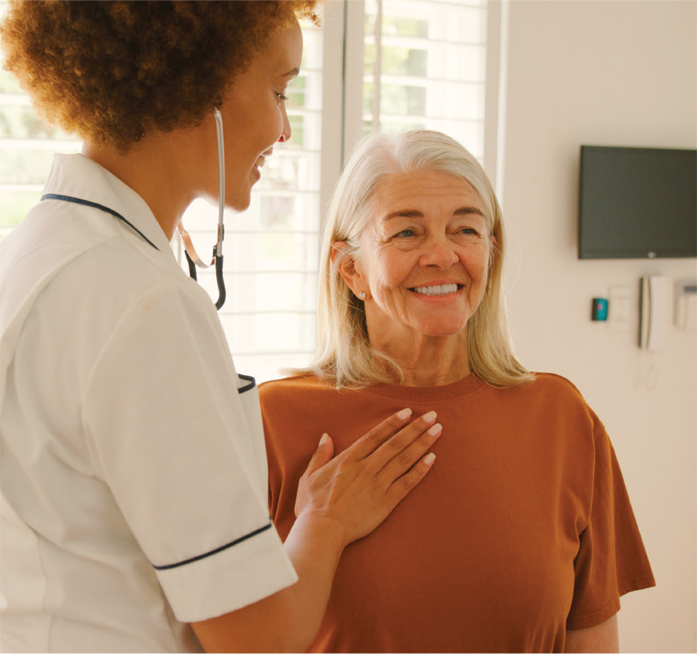
Whether the symptoms are subtle or striking, the outcomes can be deadly without medical intervention. If you experience signs of a heart attack, call 911 immediately.
The good news is that heart disease can be prevented with healthy lifestyle choices and preventative care.
If you don't smoke, don't start but if you are a smoker, quitting smoking can cut the risk of heart attacks by 50% just one year after quitting, according to the AHA.
The AHA recommends getting at least 150 minutes per week of moderate aerobic activity, such as brisk walking. Seventy-five minutes a week of vigorous activity, such as jogging, can also reduce the risk of heart attacks. The 150-minute goal may seem daunting at first, but what is most important is to simply increase the amount of movement you are currently getting and to increase it over time.
A healthy diet can also decrease the risk of heart attacks. The Mediterranean diet is particularly good for reducing the risk of heart disease. This eating plan focuses on plant-based foods, healthy fats like olive oil and omega-3 fatty acids from fish coupled with fresh fruits, vegetables, legumes and whole grains while limiting red meat, sugar, alcohol and processed foods.
A simple first step to prioritizing your health is to schedule a 10-minute heart scan through Franciscan Health. The non-invasive, 10-minute procedure assesses the risk of heart attacks.
The heart scan consists of a computerized tomography scan of the heart to detect calcium deposits (the earliest indicator of heart disease) along the arterial walls. Additional factors such as age, family history and cholesterol level are calculated and allow physicians to measure the patient's potential for heart disease.
Heart scans are available for those 40 or older with one or more of the following risk factors: current or former smoker, diabetes, family history of heart disease in a parent or sibling, abnormal cholesterol levels and high blood pressure.
The heart scans cost just $49 out-of-pocket and are available at multiple Franciscan Health locations.
This National Heart Month, pledge to act on that Roxette tune from 1988 and listen to your heart by taking that first step toward better cardiac health, not only for those who love you, but for yourself.
Taking steps to prioritize your health will allow you to be there for the people in your life for years to come.
More information on Franciscan Health's $49 heart scans and scheduling is available online at https://www.franciscanhealth.org/conditions-and-services/heart-care/heart-scan or by calling 833-238-0688.♥
Janeira is a cardiologist and a member of the Franciscan Physician Network practicing at Franciscan Health Indiana Heart Physicians, a department of Franciscan Health Indianapolis. The opinions are his own.
From allergy symptoms to life support: A story of survival and advanced care
Content provided by Community Health Network

What he first thought were allergies nearly cost Michael Smith his life. In April of 2025, Smith developed a persistent cough that continued to grow worse. The 46-year-old BMO bank branch manager from Greenwood put off going to the doctor. “As many men do,” he says.
His wife, Clara Daoud-Smith, and his work team urged him to get help. After weeks of no improvement, Smith took their advice and was diagnosed and treated for bronchitis, but he still did not get better.
Smith says he was not eating much but started gaining weight, which alarmed him. He could not stop coughing. He felt tired all the time and had no energy. In June, Clara noticed something else alarming: his nose was turning blue. On Friday June 13, Smith arrived at work and saw that his arm was turning blue, too. He called Clara, who made the decision to take him immediately to the Emergency Department at Community Hospital South.
Smith has kept a steady weight of under 180 pounds for most of his married life. When he got to the ER, he weighed 234 pounds. His care team determined this was water weight from organ failure. Smith says his left lung was 80% full of fluid. He was struggling to breathe and, suddenly, his heart stopped.
The Community ER team worked to save Smith's life. Clara says it took 20 minutes to resuscitate her husband.
Once stabilized, Smith needed advanced care to survive. He was transferred to Community Heart and Vascular Hospital under the care of cardiothoracic surgeon Dr. John Storey. With potential damage to his lungs, heart, kidneys, and even his brain, the team turned to ECMO—Extracorporeal Membrane Oxygenation.
ECMO is a specialized life-support therapy that temporarily takes over the function of the lungs—and even the heart—using an artificial lung to oxygenate blood outside the body. This gives the organs time to rest and heal.
According to Dr. Storey, it is uncommon to see a man of Smith's age, who had been fit and healthy up until this point, in the hospital on life support. But the patient's regimen of exercise and eating right made an enormous difference in his recovery.
Smith was unconscious from Friday until Wednesday. When he woke up, he learned he had missed the celebration of life service for his best friend's wife. He was devastated and said his heart went into atrial fibrillation. His care team used cardioversion, electrical shocks, to reset his heart rhythm.
During these difficult days, Smith says caregivers, especially a nurse named Wendell, offered emotional support as he sat beside him and listened. “It wasn't a job for him. He cared. He was helping someone heal.”
For Clara, nurse Olivia stood out. Not just for the way she encouraged Clara every day, but also by sharing how she as a nurse was encouraged by Michael's progress. How watching his recovery and seeing the outcome brought her hope as well.
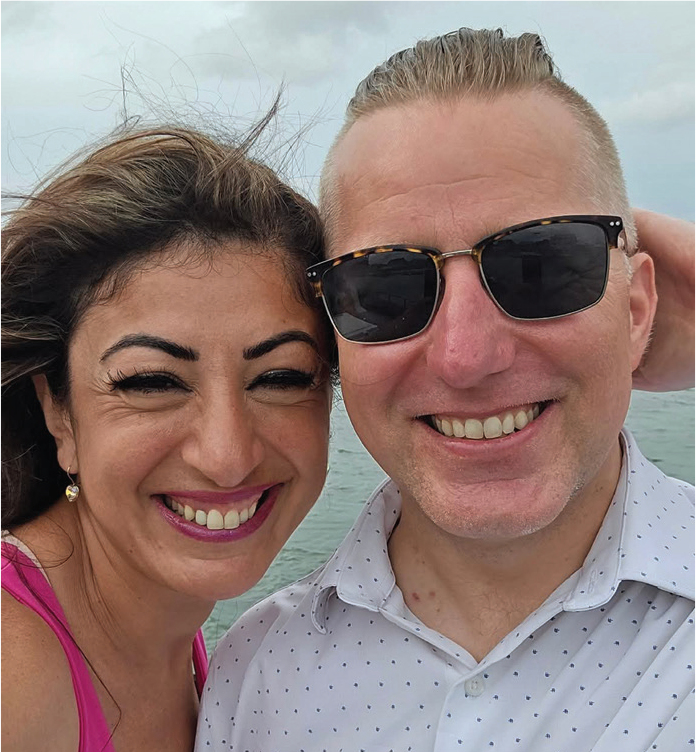
The Smiths say they are grateful for all the support they received during this time from friends, family, their pastor, plus Dr. Storey and the caregiver team at Community.
Clara says her husband's recovery was nothing short of a miracle. He spent six days on life support and 11 days in total in the hospital. He left Community Heart and Vascular 65 pounds lighter than when he came in. Also, despite low blood flow to his organs for hours, Smith suffered no organ damage. Instead of going from the hospital to a rehabilitation facility, Smith went directly home to his two seventh grade boys and fourth grade daughter. Smith's wife says this frightening experience for her family “has brought us all together even more.”
In August, less than two months after his heart stopped, with his doctor's approval, Smith was able to go on vacation with his family and celebrate his 18th anniversary with his wife.
Today, Smith is back to running, karate, and swimming laps. While his life may be back to normal, his experience has changed him forever.
Though he is back to being healthy, Smith says he will continue to check in with a cardiologist. As for the most important lesson he learned, he says it was “to listen to my wife.”
Smith's doctors do not know exactly what caused him to get so sick. However, if your symptoms are not getting better in a short time, go back to your doctor for more help.
Clara urges others to be aware. She says pay attention to loved ones, be there to support them, and if necessary, take them to the Emergency Department. She knows from experience that it could mean the difference between life and death.♥
Local attorney championing women's heart health
Content provided by American Heart Association
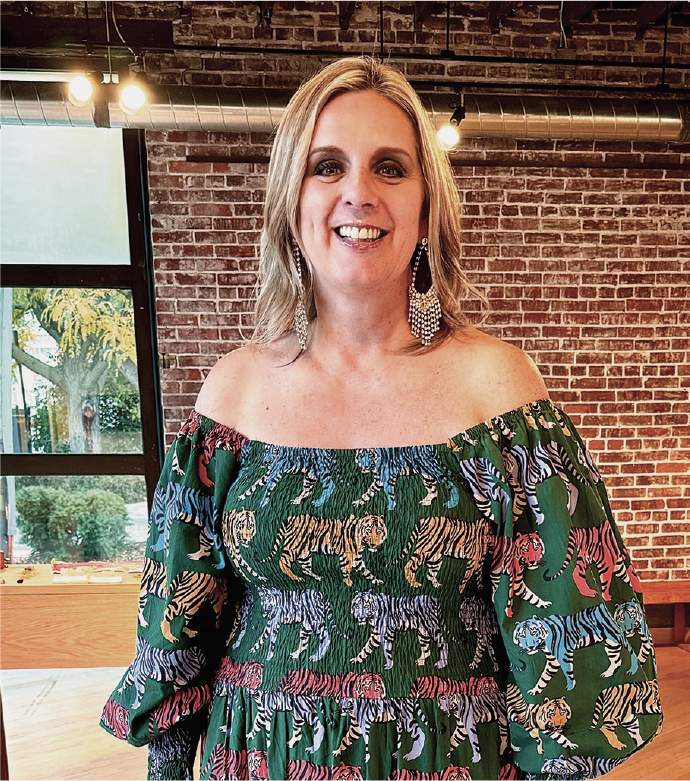
Heather Harris believes leadership is about more than influence—it's about impact.
After three decades shaping policy at the Indiana Statehouse as a trusted attorney and lobbyist, Harris is now championing a cause that hits close to home: women's heart health. As chair of the American Heart Association's Go Red for Women campaign, she's turning her passion into purpose, determined to help women take charge of their health and rewrite the narrative on heart disease.
Heart health has been important to her from a young age. In high school, a fellow student suffered a sudden cardiac arrest on the football field and passed away; her father has heart disease; her grandfather died from a heart attack; and her grandmother had a stroke that led to her death.
“I feel passionate about and have a long history of heart disease on both sides of my family,” says Harris, who grew up in Ellettsville before graduating from Indiana University and then moving to Indianapolis, where she served in Gov. Frank O'Bannon's administration for six years.
“It is important to me to chair this and give back in a small way to the American Heart Association, to my community and to my own family.”
One goal of Go Red for Women is to educate women that heart disease is their leading health threat and to build a community to fight heart disease together. The sense of community is important as women deal with the fact that more women die from heart disease than all forms of cancer combined and that nearly half of women 20 years or older have some form of cardiovascular disease.
“Go Red for Women is a movement that really inspires women to take an interest in their own health and take action,” Harris says.
“And that's so important. In my mother's generation and the generation before her, women did not discuss their health—and often put the health needs of others before themselves. Events like Go Red are changing that narrative.
“I like the fact that the event really highlights the health needs of women specifically and also empowers women to do something about it, not only for themselves, but for others as well.”
Another goal of Go Red for Women is to raise funds to support more research specifically focused on women's heart and brain health.

While Go Red for Women was launched in 2004, the American Heart Association launched a $75 million Go Red for Women venture fund in 2024 to help fill the massive gap in funding for women's health companies that translate science into real clinical action.
“Women's health and women's health research really gets overlooked or it's not funded at the same levels that traditionally other issues impacting the general population are funded. To have that very targeted and specific research going to women's heart health is really important to me,” Harris says.
This year's Go Red for Women campaign in Indianapolis culminates on Friday, Feb. 27 with the 22nd annual Go Red for Women luncheon.
“We've got an amazing leadership team,” Harris says, “and we've set some very ambitious goals. I want this year's luncheon to be the biggest in terms of attendance, the most fun and the most money raised. And I want to make an impact on women's health.”
To learn more about supporting Go Red for Women, visit www.heart.org/indygoesred.♥