
Subscriber Benefit
As a subscriber you can listen to articles at work, in the car, or while you work out. Subscribe Now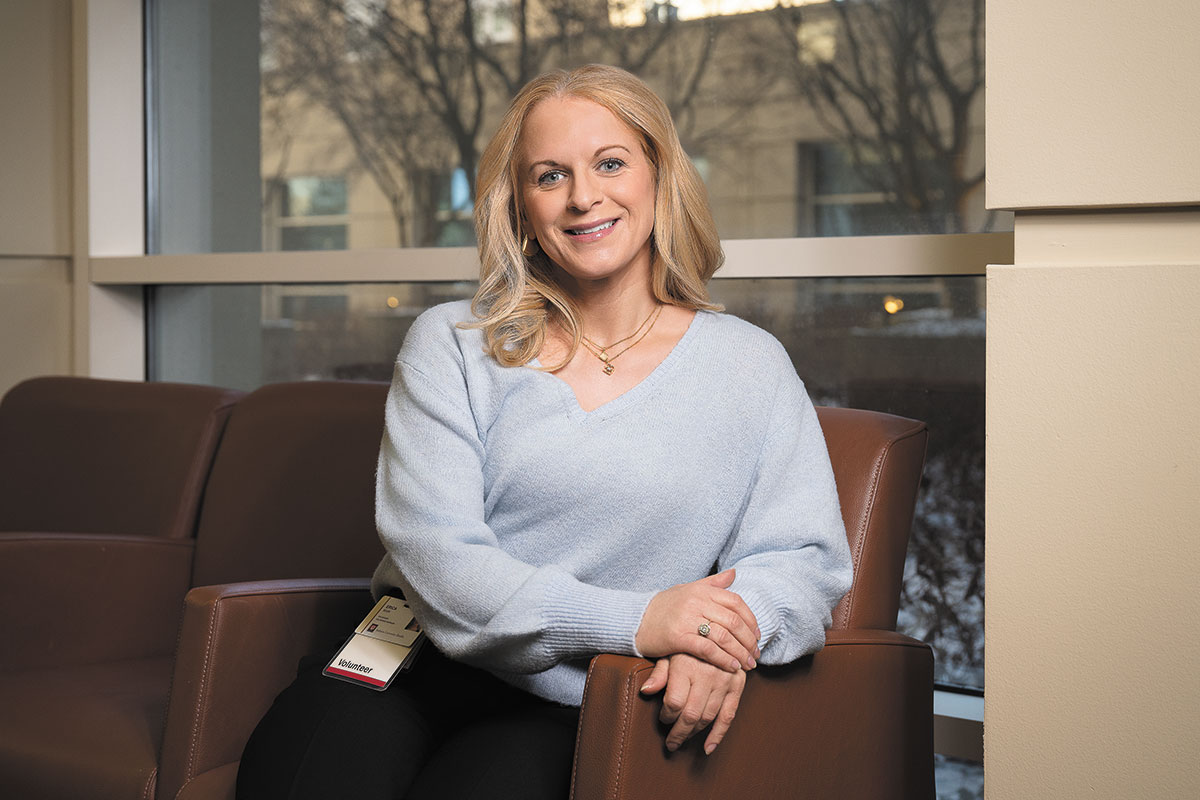
Erica Buck, Indiana University Health Methodist Hospital
Erica Buck survived unimaginable trauma in June 2020 when she was brutally attacked by a homeless man downtown. Rather than let that attempted rape and stabbing destroy her, she decided to use her experience to help others as a peer support volunteer for the Trauma Survivors Network at Indiana University Health Methodist Hospital.
Since becoming a peer support volunteer in 2021, Buck, 48, has connected with more than 500 trauma survivors, providing them with a friendly face and a compassionate ear.
“This allows me to turn the worst thing that ever happened to me into a positive thing,” she said. “I’m in there and I am a survivor, just like they are. It’s peer to peer. ‘Give me the real. What are you going through right now? Can I talk to you about some things that might help you?’ It’s a way for them to slowly start processing what happened and the emotions around it because a lot of times they’re still in shock.”
Buck visits the hospital on Wednesdays and sees six patients in a typical day. Some meetings last 10 minutes; some go as long as an hour and 45 minutes. Working in a level 1 trauma center, she supports survivors of car accidents, gunshot wounds, assaults and more. In addition to listening to them and answering questions, she asks questions the patient might not have considered.
“When I talk to a car accident patient, I’ll ask them, ‘How do you feel about getting back into a car when you get discharged tomorrow?’ I give them some advice that might help them out, things to think about so the emotions don’t hit them like a wall of bricks.”
Buck said she was motivated to volunteer after receiving a letter from chaplain Thomas McDorr, a 2023 IBJ Health Care Hero, in fall 2020 that said Methodist was becoming a Trauma Survivors Network hospital and was looking for peer supporters. Buck read the letter and thought: “I wish that I would have been able to talk to someone like me when I was in the hospital.” She also knew that McDorr was on call the day she was assaulted—he was the one who spoke to her family when she was brought to the hospital—so she felt a connection to him.
And so she volunteered.
McDorr said one of Buck’s greatest strengths is her ability to relate to patients on a deeply personal level.
“She assures them that it is OK to feel overwhelmed and emotional, emphasizing the importance of addressing these feelings as part of the healing process,” he said. “By empowering patients with support and the courage to share their own journeys, Erica not only transforms individual lives but strengthens the entire community of trauma survivors. Her story is a testament to the transformative power of turning pain into purpose, and her impact will be felt for years to come.”
Buck said helping others heal helps her heal. “This really is part of my recovery process, too,” she said. “If I can just help one person that day or that month, it makes me feel good.”•
Please enable JavaScript to view this content.