

FDA to drop two-study requirement for new drug approvals, aiming to speed access
The FDA officials predicted the shift would lead to “a surge in drug development.”
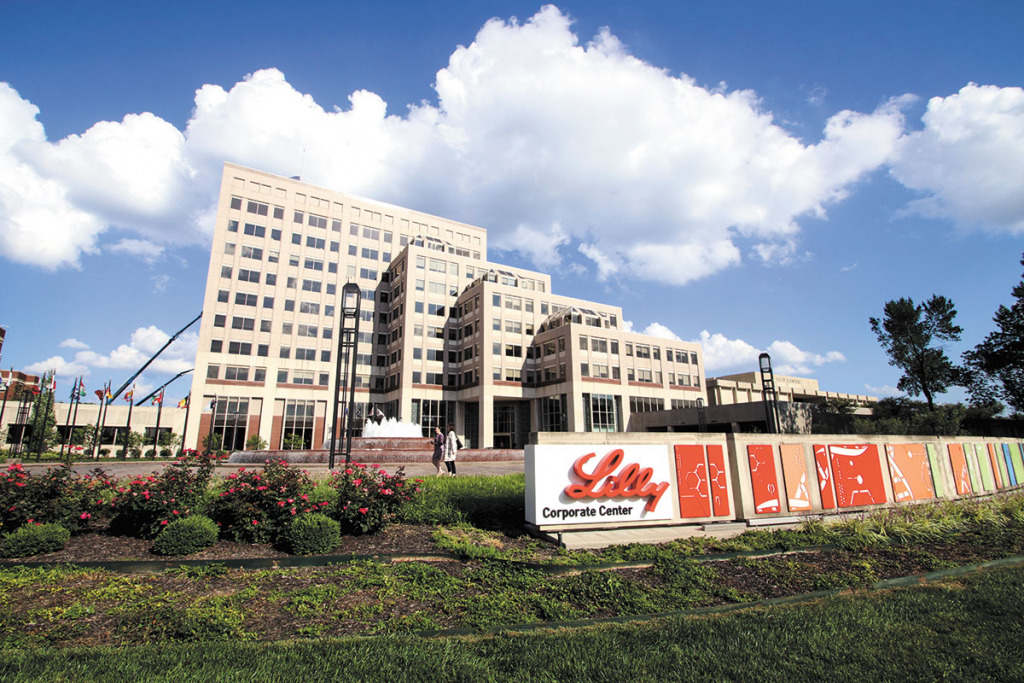
The pharmaceutical company has launched 20 drugs in the past decade to treat diseases from arthritis and psoriasis to diabetes and cancer. In recent months, Lilly has overtaken every competitor to become the most valuable drugmaker in the world.
Read More
Shares in the animal health care company have lost more than two-thirds of their value in the past 18 months, but Elanco says a bevy of new products in its pipeline will prove an era of strong growth is yet to come.
Read More
The FDA has agreed to speed up review of donanemab, but the Centers for Medicare and Medicaid Services is moving to limit reimbursement for drugs in this class to only patients in clinical trials.
Read More
Indianapolis-based Eli Lilly and Co. will make an initial $50 million payment to Entos Pharmaceuticals. Entos also could receive up to $400 million in potential milestone payments, as well as royalties, for successful products.
Read More The FDA officials predicted the shift would lead to “a surge in drug development.”

The announcement comes on the heels of a deal with the Trump administration to expand access to weight-loss drugs and reduce costs for patients on government-funded insurance and those paying out of pocket.
Food and Drug Administration Commissioner Marty Makary said the agency will aim to review select drugs in one to two months.
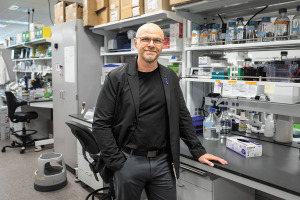
Syndeio Biosciences sees burgeoning potential to treat mental health and cognitive conditions, including Alzheimer’s and depression, with therapies that target the almost countless minuscule brain synapses that give people the ability to think and function.
The Indianapolis-based drugmaker sees orforglipron as a potential global breakthrough treatment for weight loss and other conditions because it comes in pill form, not an injection.
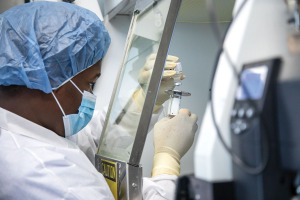
The roster of radiopharmaceuticals players in the Indianapolis area has surged in the past few years to include some of the world’s leading pharmaceutical companies, attracted by the potential for significant growth.
Fauna Bio, based in the San Francisco area, said Thursday it will give Lilly access to its AI platform, called Convergence, to support preclinical drug discovery efforts in obesity.

Firms that normally try to sell drugs as soon as possible are suspending clinical trials and shifting timelines, while patient groups are demanding change.

The new drug, called Zepbound, carries a hefty price of $1,059.87 per month, and insurers and health care plans are balking, questioning its affordability. Many employers and government health programs exclude obesity treatments from their coverage.

David Ricks, CEO of Indianapolis-based drugmaker Eli Lilly and Co., is turning up the volume on his concerns over a new law that would allow Medicare, for the first time, to negotiate drug prices.
If approved for weight loss, Eli Lilly’s tirzepatide could become the most effective drug to date in an arsenal of medications that are transforming the treatment of obesity, which affects more than 4 in 10 American adults and is linked to dozens of diseases.
In an amazing resurrection, teplizumab, developed by another company after Lilly trials were a letdown, is one of the hottest new drugs on the market.
The companies say they can quickly develop new omicron-targeting antibodies, but those aren’t expected to launch for at least several months.
It’s a big moment for On Target Laboratories, an 11-year-old biotech based in West Lafayette. The FDA approval marks the company’s first novel compound to get across the finish line. The drug is marketed under the brand name Cytalux.

The collaboration could be worth as much as $694 million and potential royalties to Verge Genomics if the two companies hit development milestones.
The use of COVID antibodies has fallen across the United States lately and, along with it, Lilly’s sales in that category.
The decision, which could affect millions of older Americans and their families, also has far-reaching implications for the standards used to evaluate experimental therapies, including those that show only incremental benefits.
Eli Lilly and Co. on Saturday morning presented highly anticipated details from a mid-stage study showing that its experimental drug slowed Alzheimer’s disease progression over about 18 months.

Lilly has spent three decades and more than $3 billion trying to find a way to treat Alzheimer’s disease. Its latest drug, donanemab, finally shows real promise.

The experimental drug, donanemab, could be a huge breakthrough for Lilly, which has spent billions of dollars over 30 years researching treatments for Alzheimer’s disease, only to see them fall short in clinical trials.