

Lilly insulin prices come under microscope
Over the past 20 years, while the price of a gallon of milk climbed 23 percent and the sticker on a Dodge Caravan minivan rose 21 percent, the list price of the insulin Humalog shot up 1,157 percent.
Over the past 20 years, while the price of a gallon of milk climbed 23 percent and the sticker on a Dodge Caravan minivan rose 21 percent, the list price of the insulin Humalog shot up 1,157 percent.
The companies say the drug, now in late-stage clinical trials, could be more effective for pain treatment than opioids—a dangerous category of pain killers that includes hydrocodone, morphine and fentanyl—without the abuse potential of such medications.
The court's unanimous ruling Monday means a loss of billions in sales to makers of original versions of biologic drugs.
News that federal regulators rejected Lilly’s drug for arthritis sent the stock tumbling more than 5 percent Monday, and sent surprised analysts searching for answers.
The drug, which has the proposed brand name Olumiant and is approved for use in Europe, was expected to be a big seller.
Merck & Co. on Tuesday announced that it will end a study of its once-promising Alzheimer’s disease drug in patients with mild-to-moderate forms of the condition, just three months after Eli Lilly and Co. announced its own setback in a field that’s been littered with failures.
Two local men who have been working on a potential blockbuster treatment for a rare and debilitating disease are hopeful that a major injection of venture capital will provide the boost needed to move the drug to market—even if it means sweeping changes for their company.
The Indianapolis-based drugmaker’s purchase of the biotech firm CoLucid Pharmaceuticals will give it access to a late-stage experimental medication for migraine headaches.
A small Carmel-based biotech firm has signed a deal with international drug company Allergan Plc that is worth at least $50 million and could grow to more than $2 billion under the best-case scenario.

Eli Lilly and Co. employees knew the Alzheimer's treatment solanezumab was not a sure bet. But that didn’t make the pain any less acute after the company announced the drug had failed to demonstrate effectiveness during a 2,100-patient Phase 3 clinical trial.

Lartruvo is the first front-line therapy approved by the FDA to treat soft tissue sarcomas since doxorubicin more than 40 years ago.
For more than two years, Eli Lilly and Co. has pushed the message that the worst days are over and a brighter future is just around the corner. Now, finally, Wall Street is starting to believe.
The head of Pfizer Inc., America’s biggest drugmaker, said Democratic presidential nominee Hillary Clinton’s proposals to contain the price of pharmaceuticals would be “very negative” for the industry and are a step toward single-payer health care.
The West Lafayette-based company has named CFO and COO Mike Sherman as new CEO and president, but did not give a reason for the abrupt change in leadership.
Indianapolis-based Chondrial Therapeutics LLC has been accepted into a program run by the National Institutes of Health that will provide the drug company with services worth at least $5 million, the company estimates.
The rising figures reflect an industry-wide focus on drugs for rare and hard-to-treat diseases, which often come with streamlined reviews, extra patent protections and higher price tags.
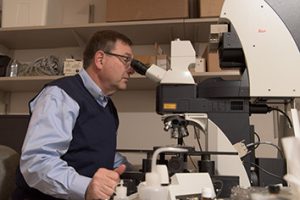
A professor in the Indiana School of Medicine is hopeful that an antibiotic cocktail he invented will one day improve the lives of millions of people, thanks in part to the Indiana University Research and Technology Corp., formed in 1997 to make work done by IU faculty and researchers available for commercial development.
For two years, Eli Lilly and Co. has been building a team of immuno-oncology researchers in New York City and has struck a series of deals with other drug companies.
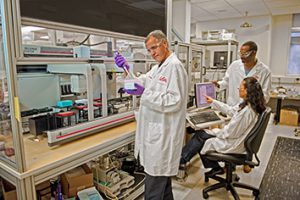
After years of pipeline failures, Eli Lilly and Co. is on a bit of a hot streak. This month alone, the Indianapolis-based drugmaker has reported positive results from clinical trials of four experimental drugs.
An experimental pill to treat low sexual desire in women moved closer to becoming the first such drug to be sold in the U.S. after regulatory advisers backed its approval.