
Subscriber Benefit
As a subscriber you can listen to articles at work, in the car, or while you work out. Subscribe Now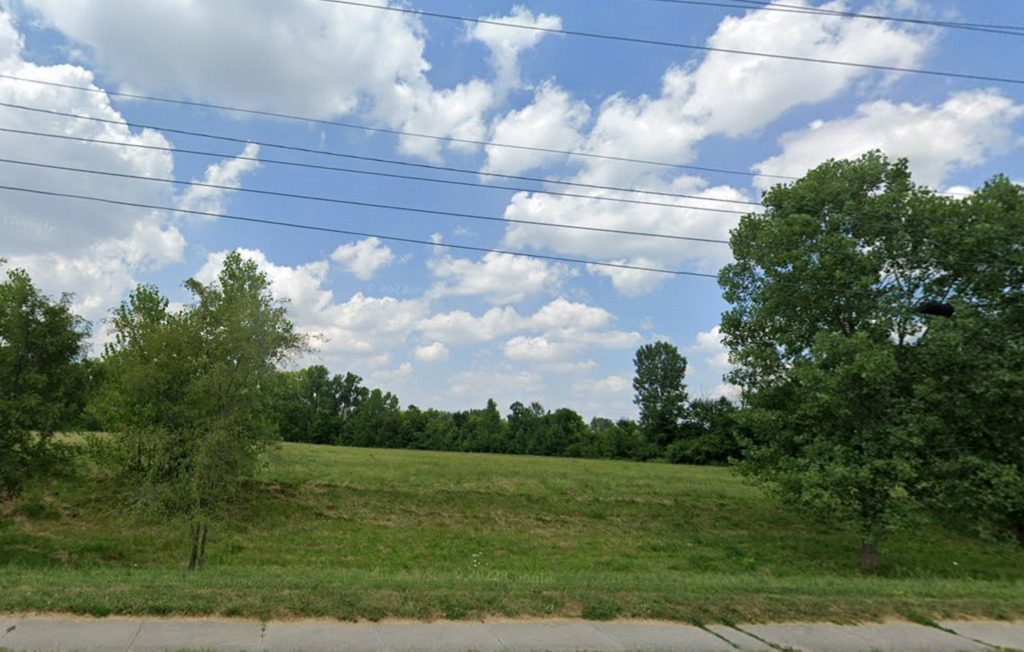
Indianapolis-based TWG Development plans to spend $40 million to construct a new apartment community along the Marion County-Johnson County border.
The project, slated for a 6.7-acre site at 2852 E. County Line Road, is expected to consist of about 170 apartments ranging from one to three bedrooms. The property is less than one quarter-mile east of Madison Avenue.
TWG’s conceptual plans call for a clubhouse and four multifamily buildings, each three to four stories tall. Rents would range from $1,000 for a one-bedroom unit to about $1,400 for three bedrooms, likely with annual increases, said Ryan Kelly, TWG’s vice president of tax credit development.
Those rents come in below market-rate and fall into a category often called workforce housing—prices that exceed certain lower-income thresholds but are still reasonable for those living and working in the area.
“Our No. 1 goal is to provide housing for all,” Kelly told IBJ in written responses to emailed questions late Monday. He added that the firm focuses on areas that have a high concentration of retail employment and are near public transportation and grocery stores.
The project site is about three-quarters of a mile east of U.S. 31, with several restaurants and retailers—including a grocery—in close proximity to County Line Road.
Kelly said TWG plans to request a payment in lieu of taxes, or PILOT, arrangement with the city of Indianapolis Department of Metropolitan Development. He said the mechanism is necessary to make the project financially feasible.
The property is currently owned by a holding company, although the identity of the firm behind it is not clear.
TWG has the parcel under contract, pending City-County Council approval of its request to rezone the property. Currently, the land is zoned as CS, but the firm is seeking approval to change it to D-9, a dwelling designation that allows for multifamily development. The council is set to consider the request at its July 7 meeting.
In 2024, a plan to develop a self-storage facility on the property was rejected by city planners.
The apartment project, Kelly said, will benefit the community by “bringing high-quality housing where it is most needed,” but added that the firm plans to continue working with the neighborhood to address any concerns related to the project.
There have been no remonstrations against the project during previous public meetings, including for the Metropolitan Development Commission and the board’s hearing examiner.
“Housing is the most crucial aspect to our society, but we must develop it in a responsible way,” Kelly said.
TWG has made several commitments tied to maintaining certain portions of the site’s existing foliage or replacing it with new trees during the development process.
TWG is still finalizing the development plan for the project, including the selection of construction partners, Kelly said. The firm plans to begin construction on the project in the second quarter of 2026.
Correction: An earlier version of this story said incorrectly that IndyGo’s Red Line stops within a quarter mile of this property. The Red Line actually terminates at Hanna Avenue, much farther to the north. For other corrections for IBJ stories, click here.
Please enable JavaScript to view this content.
The IndyGo Red Line does not extend to County Line Road. It ends at the UofI station at Hanna & Shelby Ave.
The “regular” IndyGo 29 (Madison Ave.) and 31 (US31) bus lines both do turnarounds in the Greenwood Park Mall parking lot off County Line about a half-mile west of this site between Jared Jewelers and Huntington Bank, and those buses both connect to the Red Line at Hanna & Shelby.
More crap for the southside. How about a landfill too?
What makes this crap?
what you want luxury townhomes on COUNTY LINE? please
When communities tap into tax tools like the Low-Income Housing Tax Credit (LIHTC) to build workforce housing, everyone benefits. These projects aren’t about handouts—they’re about lifting up working families by providing quality rentals at sustainable costs, funded through private investment rather than burdening taxpayers.
LIHTC empowers reputable builders to finance quality rentals for those earning moderate incomes—through private investment, not heavy government spending. Since its inception in 1986, it’s helped create over 3.6 million units nationwide, offering people the stability and breathing room they need to get ahead.
This is not aid—it’s economic opportunity. It’s one of the few federal programs that aligns public purpose with private efficiency and truly deserves broad support.