

Welcome to IBJ's 2025 “Business Cares: Breast Cancer Awareness” microsite.
Bringing effective breast cancer prevention, detection, and treatment to all Hoosier women is a goal everyone can help achieve. One way to pitch in is by purchasing a special Breast Cancer Awareness license plate. On this year’s “Business Cares: Breast Cancer Awareness” microsite, you can read about the life-saving difference plate sales are making across the state. Here are the other topics you’ll find on the microsite—part of our annual effort to spread the word about breast cancer prevention, detection, treatment and survival:
- The importance of exercise in cancer prevention and treatment and how the Indiana University Melvin and Bren Simon Comprehensive Cancer Center is treating exercise as medicine.
- How IU Health is using personalized medicine in the fight against breast cancer and to accelerate advancements in treatment.
- A Franciscan Physician Network surgeon’s reminder about the importance of knowing your breast cancer risk before starting hormone replacement therapy.
- The stories of two breast cancer survivors, including a 20-year-survivor’s advocacy of a new American Cancer Society study focusing on cancer risks and outcomes for Black women.
- Details about three important breast cancer fundraisers happening in October and November.
Thanks to the 17 companies and organizations listed below that sponsored this important section of IBJ. Their investment will fund a Breast Cancer awareness campaign throughout the month of October via print, digital and e-newsletter platforms.
And thanks to our readers. We hope you'll support our sponsors as they join all of us in working to improve awareness and treatment of breast cancer.
Sincerely,

Nate Feltman
Publisher, President & CEO
- Becknell Industrial
- Community Health Network
- Cornerstone
- CSO
- F.A. Wilhelm
- Franciscan Health
- Hancock Health
- Indiana Breast Cancer Awareness Trust
- Indiana University Health
- IU Vera Bradley Foundation Center for Breast Cancer Research
- IU Melvin and Bren Simon Comprehensive Cancer Center
- Katz Sapper Miller
- Northwestern Mutual
- Pacers Sports and Entertainment
- Parkview Packnett Family Cancer Institute
- Perspective Financial Group
- Susan G Komen
Breast Cancer Events in Indy
Susan G. Komen Indianapolis MORE THAN PINK Walk
Saturday, October 4, 8AM
Historic Military Park at White River State Park, 601 W.
New York St. Indianapolis.
Registration details at
www.komen.org/indianapoliswalk. This year's Komen Indianapolis MORE THAN PINK Walk
is made possible by the following sponsors: IU
Indianapolis, Lilly, Merchants Bank, Asphalt Materials
Inc, Bone Dry Roofing, Honda, Meijer, IU Health, Merck,
Glick, Arbor Homes, Barnes & Thornburg, BD, Niagara Water,
Starbucks, Fite Plumbing, Axia Women's Health,
Franciscan Health, Bassett Services, WTHR and iHeart
Media.
Bank of America is the national presenting sponsor and
Lilly, Natera, and Novartis are national series sponsors
for the MORE THAN PINK Walk and Race for the Cure events.
31st Annual Stars of Pink Fashion Show
Saturday, October 11, 10 AM
Indiana Downtown Marriott Hotel. The Fashion Show is Pink
Ribbon's largest annual fundraiser, featuring
inspiring survivor stories and a call to action for guests
to help broaden the organization's impact throughout
Indiana. Pink Ribbon Connection provides free supplies,
peer counseling, and vital education to people across
Indiana who are facing breast cancer. Through its programs
and community partnerships, the nonprofit strives to
ensure that no one faces breast cancer alone. Registration details at www.pinkribbonconnection.org
Indianapolis Discovery Ball
Saturday, November 15, 6 PM
JW Marriott, Indianapolis.
The American Cancer Society's Indianapolis Discovery
Ball presented by Andy Mohr Automotive Group is a premier
event that brings together corporate and community leaders
with a passion to end cancer as we know it, for everyone.
The Indianapolis Discovery Ball starts with a cocktail
reception and silent auction, followed by an inspiring
dinner program with live auction, mission speaker and
raise the paddle for Access to Care, concluding with an
after party with a live band, dancing and refreshments.
Since 2009, the Indianapolis Discovery Ball has raised
more than $7 million to support the American Cancer
Society's mission to improve the lives of people with
cancer and their families through advocacy, research, and
patient support. Registration details at indydiscoveryball.org
Special license plates make a lifesaving difference for Hoosier women
Content provided by Indiana Breast Cancer Awareness Trust
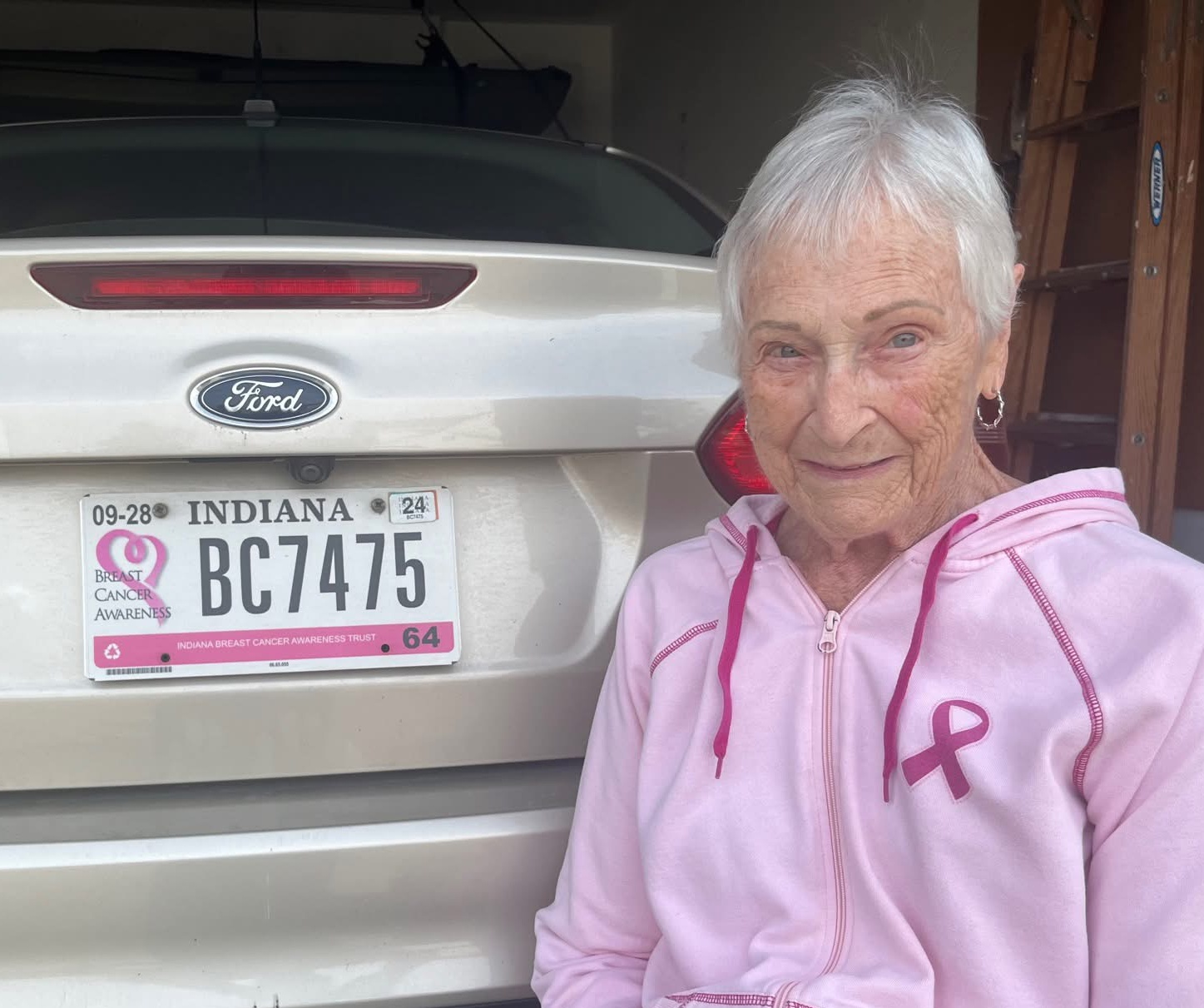
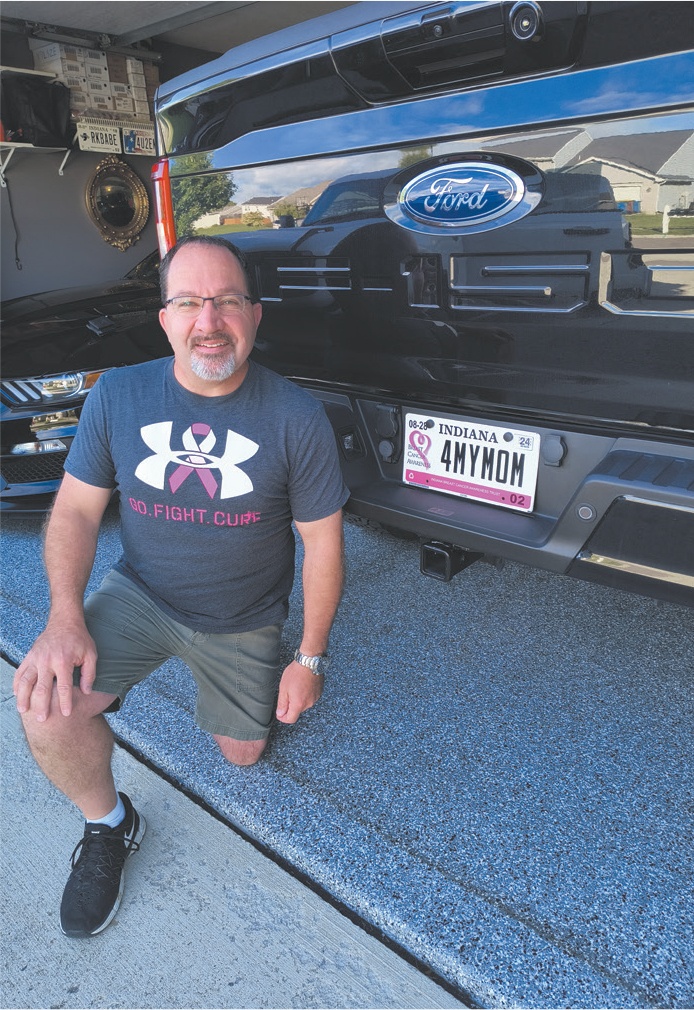
Photos courtesy of Indiana Breast Cancer Awareness Trust
You've no doubt seen the Indiana breast cancer awareness license plate on Hoosier vehicles. Have you ever wondered how the dollars raised by the license plate are used to serve Indiana residents? The dollars go to the Indiana Breast Cancer Awareness Trust, whose mission is to increase awareness of breast cancer and improve access to free screening and diagnostic services, as well as support services.
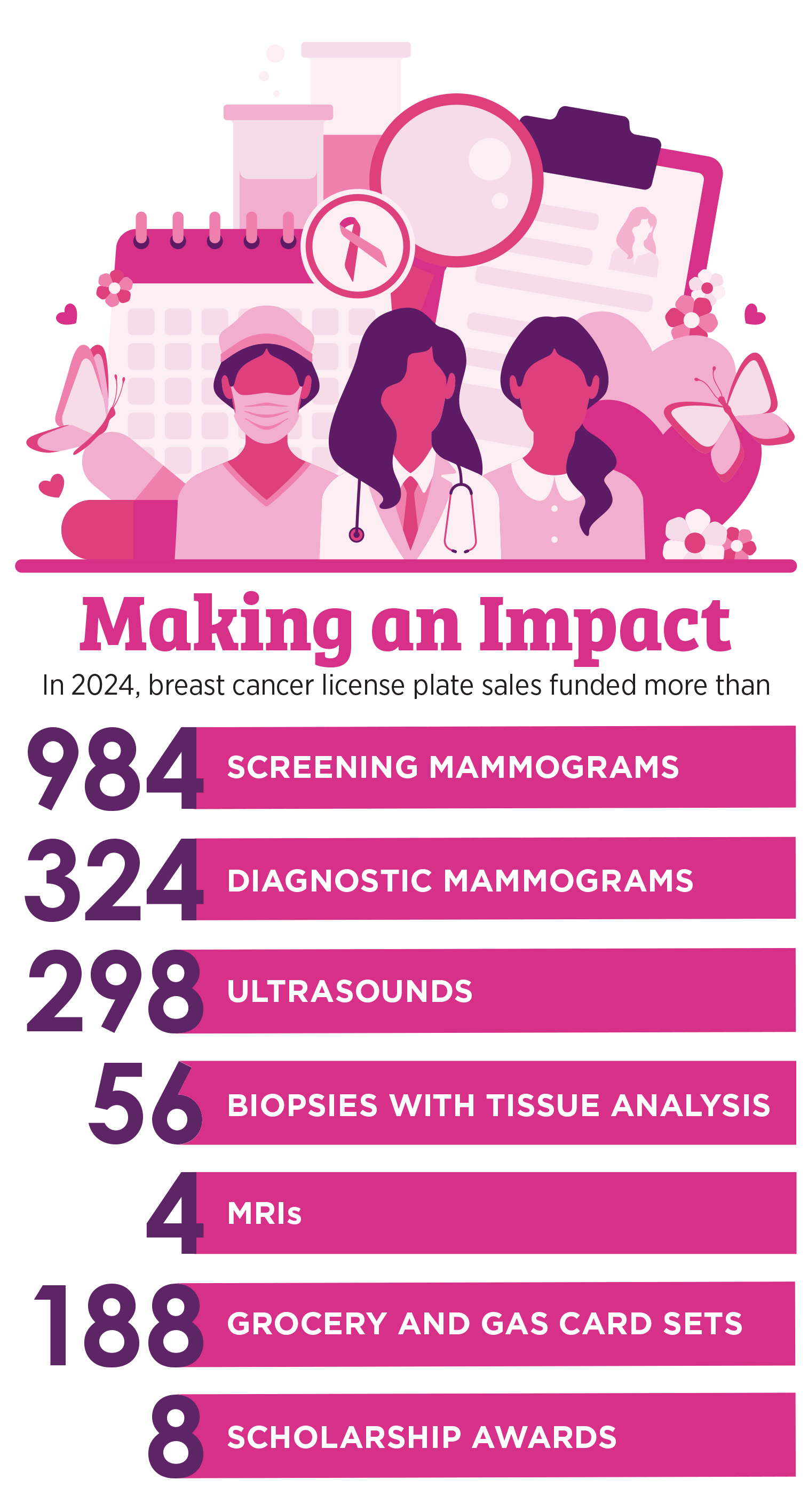
Since the plates launched in 2002, IBCAT has issued more than $7.5 million in grants to Indiana non-profit clinics, hospitals, and other health care groups. These organizations use the funds to provide free screening mammograms and diagnostic procedures to uninsured and under-insured lower-income Hoosiers.
Through June of this year, more than 620 Hoosier women and men have benefited. By year end, an estimated 1,500 underserved Indiana residents will receive services. Over 40% of the nearly $390,000 allocated to 2025 services covers Hoosiers in Marion and the surrounding counties.
“We're helping to save lives,” said Beth Knapp, IBCAT's executive director. “In the first six months of this year, 10 women were diagnosed with breast cancer through IBCAT-funded screening and diagnostic programs and are now on a path to fight the disease. Last year, 26 patients received a positive diagnosis. Imagine if they had gone without a diagnosis until late-stage cancer.”
“For women who might otherwise go without care, the relief of knowing their mammogram or diagnostic test is fully covered is profound,” said Milele Kennedy, executive director of Gennesaret Free Clinic. “These grants allow us to not only provide critical screenings and follow-up services, but also to stand with women in some of their most vulnerable moments.”
Beyond diagnosis, IBCAT provides support services to patients in treatment. Support includes grocery and gas gift cards, which make a real difference to those trying to make ends meet during a challenging time.
IBCAT also offers a special scholarship program to support students who have a parent in active treatment or who have lost a parent to the disease. Named the Nancy Jaynes Scholarship in honor of the organization's founder, the scholarship has awarded $160,000 to deserving college students.
McKenna Craig, a 2025 scholarship winner, is a believer in the program. “This is important to me because it is both helping me financially and also bringing awareness to breast cancer. Through the story of my mom, I hope to be able to help other people as they go through the journey of treatment. It is not easy, but no one deserves to feel like they are battling cancer alone. I am incredibly grateful for this wonderful scholarship.”
The breast cancer awareness license plate is ranked in the top tier of the state's special recognition plates for organizations. “We receive $25 every time a breast cancer awareness plate is sold or renewed, and we raise funds one plate at a time,” Knapp said. “We are grateful for the 300,000 plates purchased by Hoosiers over the past 23 years. This translates to tens of thousands of Hoosiers having received free screening, diagnostic and support services.
“As a cancer survivor myself, I know firsthand the fear and uncertainty that can come with waiting for answers. That's why the support from the Indiana Breast Cancer Awareness Trust has been life-changing for our patients at Gennesaret Free Clinics. It's a true blessing to see hope and reassurance made possible through something as simple as a license plate,” added Kennedy.
IBCAT is one of the largest non-profit funders to Indiana organizations supporting breast cancer screening and diagnostic services to uninsured and under-insured Hoosier women. Grants fund free services for patients who fall into the 300% federal poverty rate or lower, many of whom are uninsured.
IBCAT also funds free services to women and men who are insured but have large, unaffordable deductibles and women who are considered high risk. Those who fall below the normal screening/diagnostic age requirements, meaning insurance will not cover recommended services, are eligible as well.
The Indiana breast cancer awareness plate logo features the word HOPE. HOPE that others will see the plate and be reminded to get their annual screening mammogram. HOPE to the uninsured or under-insured that there is a resource that can assist them. HOPE that an early diagnosis leads to increased survival rates. And, mostly, HOPE that breast cancer patients are not in this battle alone.
It's more than a pretty plate. It's a plate that makes a real statewide impact for real Hoosiers.
For additional information on IBCAT, how to obtain a breast cancer license plate or donate, please visit our website at BreastCancerPlate.org.
Exercise Oncology: Making a MOVE on cancer
By Dr. Tarah Ballinger

Exercise is movement with purpose. For those experiencing cancer, that purpose can be lifesaving. Decades of research show that higher levels of physical activity are not only associated with lower risk of developing many cancer types, including breast cancer, but also reduce the chance of recurrence and improve survival.
Studies show that women with breast cancer who have higher levels of recreational activity cut their risk of dying of the disease by about 25% compared to lower levels of activity. To put this in perspective, this is similar to the survival advantage associated with anti-estrogen medications for the treatment of hormone-driven breast cancers. Ongoing clinical trials are going beyond these associations and are asking the question: What if exercise were formally prescribed as part of cancer treatment? Will it reduce recurrence of the disease?
In addition to potential improvements in breast cancer recurrence and survival, exercise is associated with significant improvements in quality of life and how patients tolerate cancer treatment. Exercise is medicine; however, unlike many pharmaceuticals, the side effects are exponentially beneficial. The most common symptom experienced during cancer therapy and even long after treatment is cancer-related fatigue, a crushing and more persistent fatigue than we feel from our everyday busy lives. Although it may seem counter-intuitive to move more when you are tired, exercise is associated with a significant reduction in cancer-related fatigue symptoms and its impact on quality of life.
Research has also repeatedly demonstrated that exercise can reduce anxiety and depression, improve sleep quality, and improve cognition commonly referred to as “chemo-brain.” Exercise also clearly maintains or improves cardiovascular fitness and physical function, which are associated with better survival and better quality of life for all of us. For those treating cancer and for those experiencing it, our goal is to prolong life while maintaining the enjoyment and participation in that life. Exercise can help patients continue to take part in necessary activities like working or climbing the stairs and in activities that bring them joy, whether that be running a marathon, walking their dog, or pushing a grandchild on the park swing.
Based on these benefits, exercise is recommended for cancer survivors by organizations such as the American Cancer Society and the American Society for Clinical Oncology. The amount of exercise recommended for cancer survivors is the same as for the general population: at least 150 minutes of moderate cardiovascular exercise and two to three strength training sessions per week. Despite these guidelines, many cancer patients are inactive. A large national survey found that about half of cancer survivors do little or no exercise. Reasons for this vary and include limitations from the disease, side effects of treatment, lack of motivation, and lack of time and resources.
As with other components of treatment, exercise should be thought of as a medicine that is individualized, prescribed, and adhered to with help from the care team. This is where the Multidisciplinary Oncology Vitality and Exercise (MOVE) program at the Indiana University Melvin and Bren Simon Comprehensive Cancer Center comes in. With support from Indiana University Health and organizations such as the Vera Bradley Foundation, the Heroes Foundation, and HOPE (Health Opportunity through Partnership in Education), MOVE provides expert exercise physiology services as part of cancer care.
Patients in the program receive tailored exercise prescriptions from our lead exercise physiologist, Danielle Halsey, and her team, whether that exercise means deadlifting 100 pounds or practicing standing up from a chair. Sessions are delivered in-person, virtually, 1:1, or in groups to be accessible to all.
While we have seen improvements in many of the outcomes detailed above, perhaps the most profound effect is not easily measurable—the confidence and control that exercise can restore to patients after cancer has taken their trust in their own bodies.
There are still many questions that need to be answered in the field of exercise oncology, and those are being investigated through ongoing research. It remains unknown whether exercise can improve the mechanisms of many chemotherapy and immunotherapy medications, if there are specific types of exercise that may be better for one type of patient versus another, and how we best motivate patients who have many barriers to exercise participation.
Within the MOVE program, we are working to find these answers. Our team recently completed a study of a fully remote program that not only boosted activity but also gave participants the tools and confidence to keep moving by educating them about cancer risk. One of our current studies funded by Susan G. Komen and the Vera Bradley Foundation is investigating the role of exercise in improving outcomes specifically in women living with incurable, metastatic breast cancer — a unique population of survivors who have been previously left out of exercise trials. The resilient women participating are showing us how powerful movement can be, and that exercise is not just complementary to cancer care, it should be a critical part of it.
Until exercise is integrated fully into standard cancer therapy, we will continue to build evidence, expand access, and help patients make movement their medicine.
Tarah Ballinger, MD, is the Vera Bradley Foundation Scholar in Breast Cancer Research at the Indiana University Melvin and Bren Simon Comprehensive Cancer Center and its Vera Bradley Foundation Center for Breast Cancer Research.
Personalizing the fight against breast cancer; how precision oncology is changing outcomes
By Dr. Bryan P. Schneider
For decades, the fight against breast cancer has relied on broad, population-wide recommendations. Diet, exercise, mammograms, chemotherapy, radiation — these universal approaches have saved countless lives. But breast cancer is not a one-size-fits-all disease. Each individual 's genetic makeup, family history, and lifestyle factors shape their risk, their treatment response, and their long-term outcomes. Today, personalization — using science to tailor prevention, screening, and treatment — is transforming how we confront breast cancer.
At IU Health, we are proud to be at the forefront of this shift. Through innovative programs, cutting-edge genomics, and world-class research, we are working to ensure that every patient receives care designed specifically for them.
When prevention gets personal
Decades of research show that lifestyle factors like diet, physical activity, and maintaining a healthy weight can reduce breast cancer risk. However, the benefits vary widely across individuals. Newer prevention strategies focus on identifying those who may benefit most — especially people with a genetic predisposition or strong family history — and offering tailored interventions.
For instance, Indiana 's Multidisciplinary Oncology Vitality & Exercise program, known as MOVE, provides personalized exercise, and rehabilitation plans for individuals at elevated risk or undergoing cancer treatment. In one feasibility study, an on-demand, self-guided version of MOVE was associated with favorable changes in breast tissue biomarkers, potentially linked to lower risk. Beyond early research, observational data suggest exercise can significantly improve fitness, reduce fatigue, and enhance quality of life — benefits associated with lower breast cancer recurrence and mortality.
Programs like this exemplify how personalized prevention can include not just medication or surgery, but also lifestyle tools calibrated to each person 's needs and biology. (Read more about MOVE on previous page.)
Screening smarter, not just more
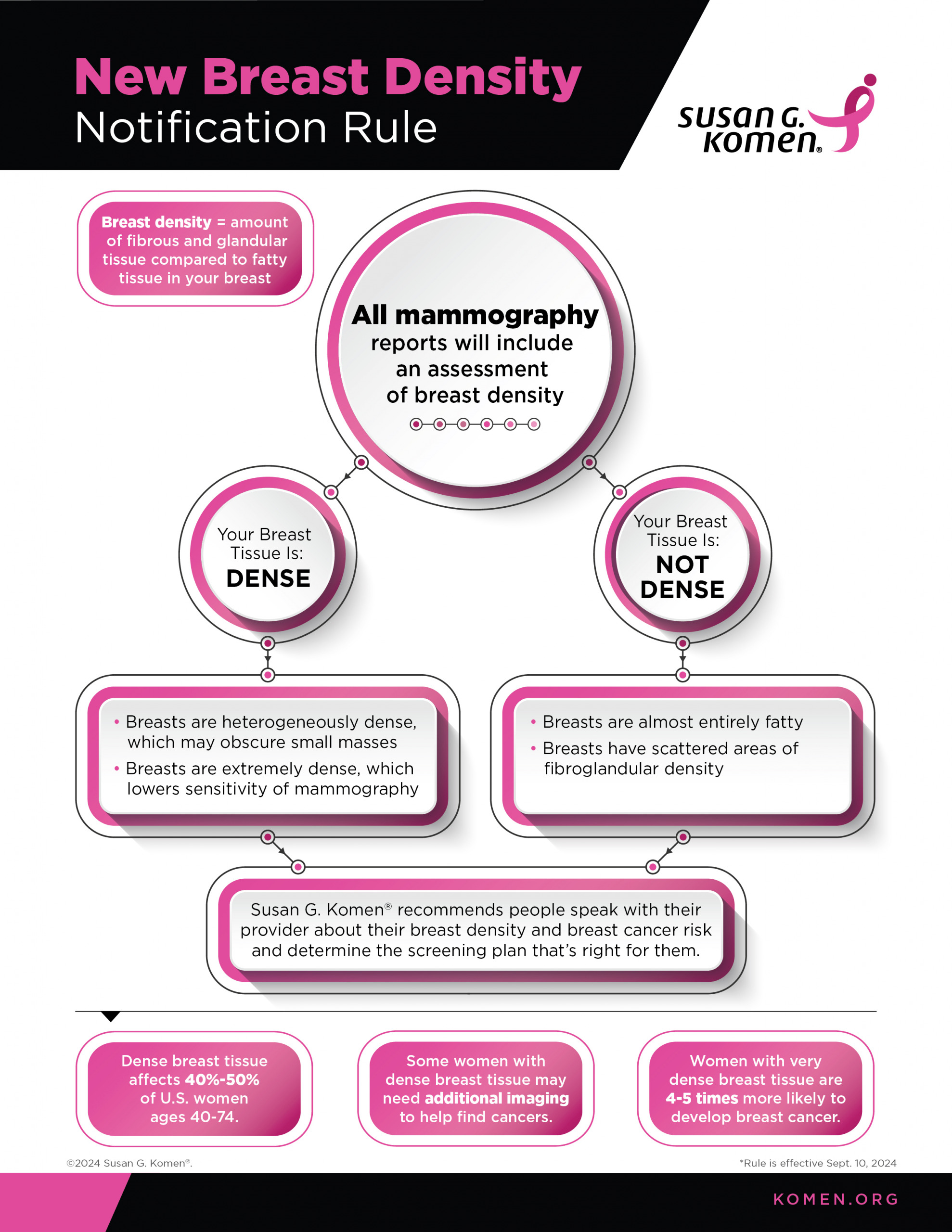
Mammography remains one of the most effective tools in reducing breast cancer mortality. But it is no longer viewed as the only answer. Screening strategies today can be personalized based on breast density, family history, or genetic predisposition.
For women with dense breast tissue or strong family histories, adding breast MRI or other advanced imaging may provide earlier detection. Rather than relying solely on universal screening schedules, precision genomics introduce a new approach using each patient 's “inherited blueprint” to guide decisions on when to start screening, how often to screen, and which technologies to employ.
Treatment tailored to the tumor
Breast cancer has a long history of personalized treatment. The discovery of hormone receptors (ER) and HER2 status transformed care, leading to targeted therapies that revolutionized outcomes. But the story doesn 't stop there — the pace of discovery has accelerated.
Today, genomic technologies allow us to map the unique “tumor blueprint” for each patient. This approach not only identifies key drug targets but also helps match patients with cutting-edge biological therapies and immunotherapies. For example, patients with BRCA mutations may benefit from specific targeted drugs, while others with acquired mutations such as Pi3K or ESR1 may qualify for different novel treatments.
In fact, our Precision Genomics program has mapped the tumor profiles of more than 12,000 patients across cancer types, including breast cancer. This massive effort allows oncologists to provide treatments precisely aligned to the molecular characteristics of each tumor.
The AI advantage: what 's next in care
Looking ahead, artificial intelligence holds promise to sharpen personalization even more. Early studies suggest AI may help predict which patients will respond to specific therapies or improve diagnostic accuracy in pathology. While still in the research phase, these tools point toward a future where oncologists can make faster, more confident decisions about treatment.
Side effects aren 't one-size-fits-all
Personalization also extends to how patients experience treatment. Chemotherapy and targeted therapies can be lifesaving, but they bring side effects that vary widely from patient to patient. Fortunately, researchers have already made important contributions to understanding and managing these toxicities.
We have also helped define national guidelines from the National Comprehensive Cancer Network on managing taxane-induced peripheral neuropathy — a painful condition that can limit the use of common chemotherapy drugs. By understanding genetic and biological factors that drive side effects, oncologists can better tailor treatments to protect patients ' quality of life.
Beyond the old playbook
Taken together, these efforts mark a significant departure from the old “one-size-fits-all” approach. Instead, breast cancer prevention, screening, and treatment are becoming as individualized as the patients themselves. This shift not only improves outcomes but also reduces unnecessary interventions and helps patients live longer, healthier lives.
For businesses, community leaders, and families across Indiana, this message is both urgent and hopeful: breast cancer care is evolving rapidly, and Indianapolis is at the center of innovation. Our work in personalization reflects a broader movement in medicine, one that holds promise not just for breast cancer, but for all cancer types and chronic diseases.
As science continues to advance, one principle remains constant: every patient is unique — and their care should be too.
Bryan Schneider, MD, is a medical oncologist with clinical expertise in breast cancer and precision oncology. He serves as the vice president of precision oncology for IU Health, Associate Dean for Clinical Trials at IUSOM and Vera Bradley Professor of Oncology at IUSCC.
Knowledge of individual breast cancer risk is key before starting hormone replacement therapy
By Dr. Jamie Murphy
Menopause is an inevitable milestone in a woman's life that typically occurs in her fourth or fifth decade.
It is the result of the gradual loss of ovarian production of hormones, particularly estrogen, and marks the end of a woman's reproductive years. While the process is gradual, menopause can present with symptoms of varying severity—from mildly bothersome to profoundly disruptive.
Typical menopause symptoms include hot flashes, night sweats, vaginal dryness, mood swings, depression, difficulty concentrating, weight gain, sleep disturbances, thinning hair, dry skin, and loss of breast fullness.
The risk of osteoporosis and coronary artery disease also increases during this time as a result of the declining levels of circulating estrogen.
Hormone replacement therapy remains one of the most effective strategies for alleviating menopause-associated symptoms. However, the use of HRT carries several risks. One of the most consequential risks is its association with breast cancer. This subsequent risk highlights the need for an individualized, evidence-based approach when considering initiating HRT.
With thoughtful evaluation, appropriate screening, and shared decision-making, many women can find relief from symptoms while minimizing risk.
October, National Breast Cancer Awareness Month, serves as an important reminder to prioritize breast health, risk assessment, and screening. Women are encouraged to be screened for breast cancer, encourage others to do the same, and offer support to breast cancer patients and survivors.
Determining a woman's risk of breast cancer is a fundamental step in determining whether hormone replacement therapy may be appropriate. Patients who are concerned about the potential for increased risk of breast cancer with hormone replacement therapy should speak with their health care provider. Using validated tools incorporating several factors, including family history of breast cancer, a breast care specialist can estimate individual lifetime risk for breast cancer and provide specific recommendations for screenings, including mammograms and, in some cases, MRIs.
The average woman's lifetime risk for breast cancer is about 10 to 15%. Those with an elevated risk of breast cancer—defined by a lifetime risk at or greater than 20% or known genetic mutation in BRCA1, BRCA2 or other high-risk genes—are generally advised to avoid systemic HRT. Likewise, those with a personal history of breast cancer should avoid systemic hormone replacement therapy.
In most cases, low-dose vaginal estrogen for genitourinary symptoms remains acceptable, as current evidence does not show an associated increased risk of breast cancer. There are non-hormonal therapies available for patients who cannot receive hormone replacement therapy. Patients should discuss these options with their care team to determine which options work best for their specific symptoms and needs.
Current evidence demonstrates the relationship between hormone replacement therapy and breast cancer risk depends on the type of therapy and the duration of its use. Data from the Women's Health Initiative and subsequent analyses suggest estrogen and progesterone therapy increases the risk by 25-28% after five years of therapy, with the risk continuously increasing with use beyond five years. Most notably, the risk declines after discontinuation of the therapy and generally returns to baseline about five to 10 years later.
With estrogen-only therapy, the research varies on breast cancer risk. What is consistent, however, is the decline in risk after stopping estrogen-only therapy and eventually returning to baseline, just as with estrogen and progesterone therapy. Importantly, estrogen-only therapy is oftentimes reserved for women who have undergone a hysterectomy, as it is associated with an increased risk of uterine cancer.
Some women feel they are unable to stop HRT due to fear of the return of debilitating menopause-associated symptoms, while others are unaware of the potential risks. In practice, the goal is to achieve symptom relief at the lowest effective dose for the shortest duration, ideally discontinuing within five years if possible.
What is most important is working with your care team to get regular screenings and exams, knowing your risk of breast cancer, and making the most informed decision possible to maintain your physical and mental health as well as your quality of life.
Women need not suffer through menopause alone and in silence. Help may be just a phone call away.
The multi-disciplinary teams at Franciscan Health treat the whole patient, body, mind and spirit. We stand ready to help women through all stages of life, including menopause.
If you or someone you know is suffering with symptoms of menopause and has concerns about breast cancer risk associated with hormone replacement therapy, please reach out to your primary care physician, OB/GYN, or oncologist to begin the discussion.
Murphy is a breast surgeon with Franciscan Physician Network Breast & Melanoma Specialists in Indianapolis. The opinions are her own.
Local business raises $20,000 to help launch Pink Ribbon on the Move
Content provided by Pink Ribbon Connection
Pink Ribbon Connection is celebrating a milestone in its mission to ensure no one faces breast cancer alone. In honor of the 20th anniversary of her business, Cater Me Café owner Bobbie Dougherty set a bold personal goal: to raise $20,000 for Pink Ribbon Connection.
This summer, Bobbie proudly achieved that goal—proving the power of combining passion with purpose and helping the non-profit Pink Ribbon Connection continue to provide free resources and emotional support to people facing breast cancer.
Funds raised will help launch Pink Ribbon on the Move, a $200,000 campaign to purchase and operate a mobile unit that will deliver free supplies such as mastectomy bras, prostheses, wigs, peer counseling, and education. The initiative will expand access to care across Indiana, with a special focus on underserved rural communities.
“Bobbie is a shining example of the difference one person can make,” said April Williams, executive director of Pink Ribbon Connection. “As a breast cancer survivor herself, her generosity fuels our ability to bring resources and hope directly to patients across the state.”
“I wanted to do something meaningful to celebrate my 20 years in business,” said Dougherty. “Pink Ribbon Connection, the network of survivors, and the mission are meaningful to me and now I want to make sure others across Indiana can find hope and help—especially those in rural areas who may not have easy access to resources.”
Pink Ribbon Connection will officially launch the Pink Ribbon on the Move Campaign during its 31st Annual Stars of Pink Fashion Show on October 11, 2025, at the Marriott Downtown Indianapolis.
Advancing breast cancer care:
Know your risk and get screened
By Drs. Erica Giblin and Kristen Govert

Each October, Breast Cancer Awareness Month reminds us of the profound impact this disease has on our community. Breast cancer is the most common cancer among women in the United States, but the good news is that early detection and advancing treatment options are helping more people survive and thrive after a diagnosis.
Understanding your risk
A variety of risk factors may increase the likelihood of developing breast cancer. Some are common, such as age, breast density, or a history of breast biopsies, while others are tied to genetics or family history. Lifestyle factors such as smoking, alcohol use, obesity, diet, and sedentary lifestyle, which are important in overall health, can also increase risk of breast cancer. Importantly, three out of four women who develop breast cancer have no family history of the disease.
The American College of Radiology and the Society of Breast Imaging recommend that women begin a conversation about their breast cancer risk with their doctor no later than their 25th birthday. This is especially important for Black women, Ashkenazi Jewish women and other minority groups, who may face higher risks. For women with genetic mutations like BRCA1 or BRCA2, a personal history of breast cancer, dense breast tissue, or previous chest radiation, screening may need to begin as early as age 25 or 30 and may include breast MRI in addition to mammography. Women with a strong family history of breast or other cancers may also benefit from genetic counseling and testing.
The importance of screening
Mammography remains the cornerstone of early detection. For women at average risk, annual mammograms beginning at age 40 are the gold standard. Regular screening mammography saves lives by catching cancer early, when it is most treatable and when less aggressive therapies may be required. Since 1990 breast cancer mortality in the U.S. has declined by 40 percent, thanks in large part to the increased use of mammography.
At Ascension St. Vincent Breast Center Indianapolis, patients have access to advanced digital imaging personalized for their needs. Screenings include 3D mammograms (tomosynthesis), breast ultrasound, biopsies and breast MRI for women with dense tissue or a high lifetime risk of breast cancer. Tomosynthesis, in particular, has been shown to increase detection rates and reduce the chance of being called back for additional testing. Our care teams take the time to understand each patient's concerns and help them feel comfortable, because screening is not just a medical test—it's a personal experience.
If your mother, sister, aunt or grandmother has had breast cancer, talk with your doctor about whether you should start screening before age 40. For women at higher risk, we also offer breast MRI as an additional screening tool.
Personalized care and treatment
No two breast cancer diagnoses are alike. Today's treatment plans are increasingly personalized, shaped by the type and stage of cancer as well as each patient's overall health and preferences. At Ascension St. Vincent, we offer a full range of treatment options, including surgery, radiation, chemotherapy, targeted immunotherapy and hormone therapy. We also use genomic testing to determine when chemotherapy is necessary, helping many patients avoid unnecessary treatments.
Our surgical teams provide comprehensive options, from lumpectomy and mastectomy to Hidden Scar™ breast surgery, and reconstruction. Our fellowship-trained breast surgeons are skilled in treating all forms of breast cancer, including invasive and noninvasive disease, inflammatory breast cancer, and male breast cancer. We also offer procedures to help reduce breast cancer risk such as prophylactic mastectomy. Every appointment begins with a compassionate conversation, and our teams walk with patients through each step of care.
Looking ahead
Breast cancer care continues to evolve, with promising advances in targeted therapies, immunotherapy and refined screening tools. What remains constant is our commitment to walk alongside patients and families, offering expertise, compassion and hope.
This Breast Cancer Awareness Month, we encourage every woman to know her risk, talk with her doctor and make screening a priority. Together, through awareness and action, we can continue to improve outcomes and save lives.
Giblin is statewide medical director of breast health and Govert is a breast surgical oncologist at Ascension St. Vincent Breast Care Services.
Survivor brings her passion to groundbreaking ‘VOICES of Black Women’ study
Content provided by the American Cancer Society
When Carmon Hicks, PhD, speaks, she speaks with purpose. A retired professor of psychology and sociology, Carmon has spent her life teaching—and now, she's reaching beyond the classroom to educate and empower Black women about their health through the American Cancer Society's VOICES of Black Women study.
Carmon's breast cancer journey began in 2006 with a routine mammogram that revealed a small lump—an early-stage diagnosis that led to a mastectomy. Due to her long-term Type 1 diabetes, chemotherapy and radiation weren't recommended. But cancer returned in 2012, spreading to her bones. Over the past 19 years, she's faced multiple recurrences, each met with targeted therapies and unwavering determination. Today, she continues to thrive with Herceptin treatments every three weeks.
“I've learned to live with my new normal,” said Carmon, who lives in Indianapolis. “I'm a partner in my medical care, and I've had a lifetime of practice.”
Her advocacy began around 2010 when she joined the Making Strides Against Breast Cancer volunteer leadership committee, rallying students from her sociology classes to walk alongside her. She later joined the American Cancer Society Cancer Action Network, writing letters to lawmakers about cancer-related issues. But retirement in 2023 sparked a deeper calling.
“I wanted to do more,” she said. “When I learned about the American Cancer Society VOICES of Black Women study, I knew immediately that this was my next mission.”
The VOICES of Black Women study, launched by the American Cancer Society in 2024, is the largest-ever U.S. population study focused on cancer risk and outcomes among Black women. It aims to enroll 100,000 Black women ages 25 to 55 who have never been diagnosed with cancer. The VOICES study seeks to uncover how lifestyle, stress, sleep, diet, and other factors may influence cancer risk, especially in a population historically underrepresented in research.
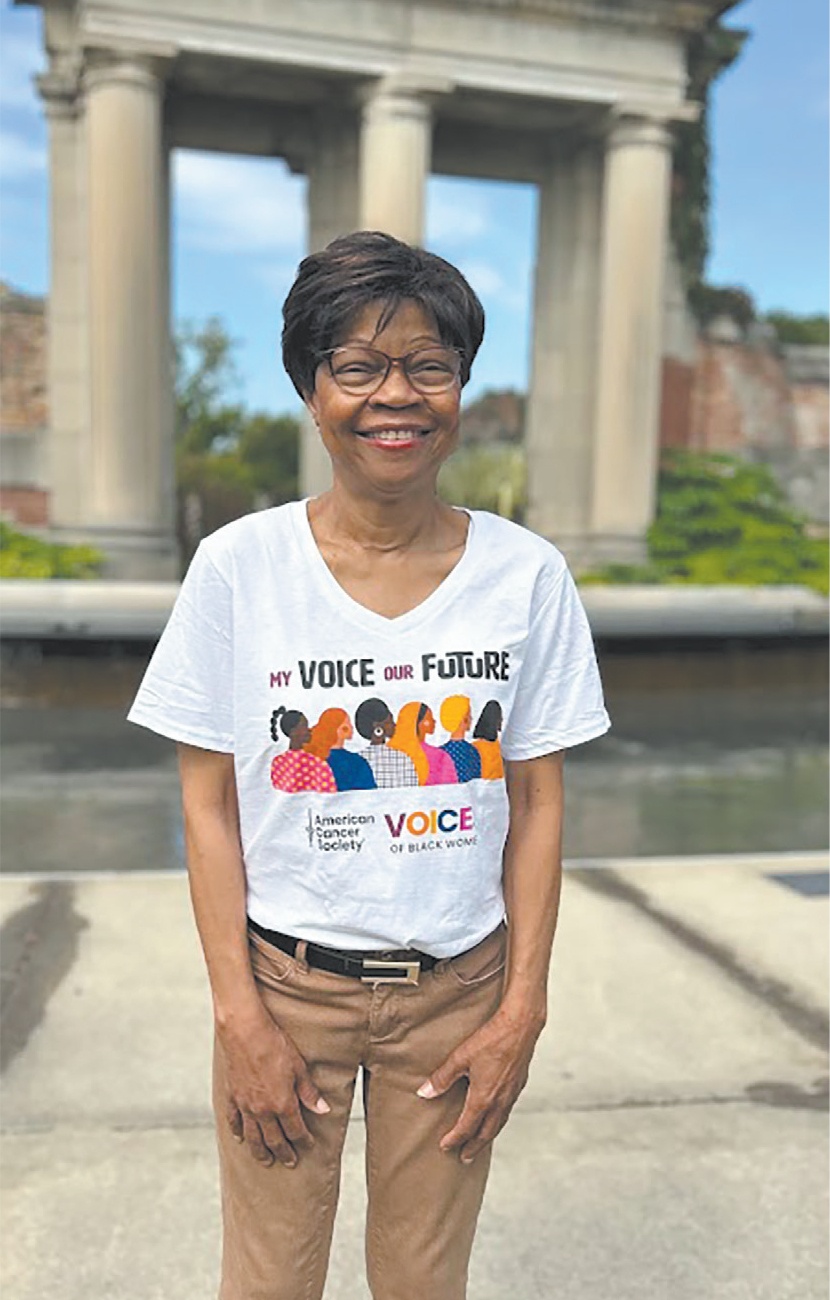
Photo courtesy of the American Cancer Society.
“Black women are often invisible in our health care system,” Carmon says. “We're told what to do but rarely given answers. The VOICES of Black Women study is different. It's about hope and a better, healthier future.”
As a cancer survivor, Carmon was not eligible to participate in the VOICES study, however her academic background and lived experience made her a natural fit as a VOICES Ambassador. She's passionate about reaching Black women and encouraging them to participate in research that could save lives and change the course for generations of Black girls and women.
“I've asked myself so many questions throughout my cancer journey, about stress, sleep, diet, even spirituality. I believe that VOICES will begin to answer some of those questions. It's a start, and it's long overdue.”
Her message to other Black women is clear: “What do you have to lose? This study gives us the chance to be seen, to be heard, and to make a meaningful difference.”
Carmon's voice is strong, steady, and full of conviction. She's not just surviving, she's leading. And through the American Cancer Society's VOICES of Black Women study, she's helping shape a future where Black women are no longer invisible in cancer research.
To learn more or join the VOICES of Black Women study, visit voices.cancer.org.
Jessica found a team to lead her breast cancer journey
Content provided by Community Health Network
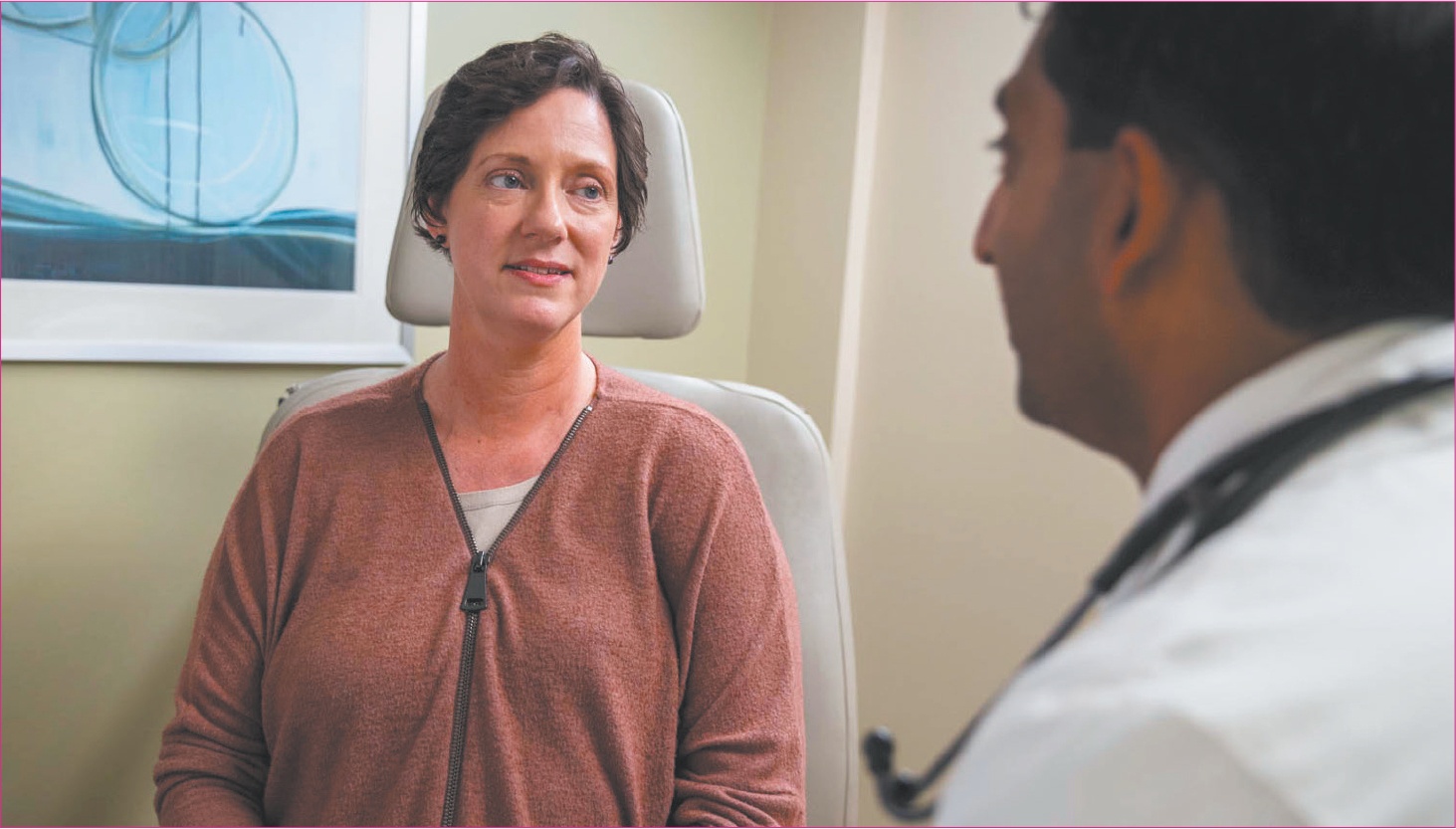
Known as Jess to her friends, Jessica is a movie lover, board-game enthusiast, and devoted mom of two teenagers. She's also a breast cancer survivor whose story is one of resilience, love, and the power of community.
Jessica (who asked not to use her last name) knew cancer was part of her family medical history, so she took a proactive approach. She met with a genetic counselor and committed to a mammogram every six months. In late November, just before Thanksgiving, a recommended MRI revealed tumors.
“The shock was overwhelming,” Jessica says. “You just want to do something right away, but there's so much uncertainty. It felt like a train you couldn't get off.”
The days that followed were filled with questions, fear, and difficult conversations. “Even telling people was hard,” she says. “You don't want to talk about it all the time, and not everyone understands how traumatic it is.”
Jessica was connected with her care team at Community Health Network MD Anderson Cancer Center East. This included Natalie Newman, a nurse navigator; Dr. Anuj Agarwala, Medical Oncologist; Dr. William Turchan, Radiation Oncologist; and Dr. Yitian Lui, Breast Surgeon. “I've never worked with a team like that before. Even though they were specialists in their own zone, it was clear they kept in touch, talked with each other, and met once a week with their patients. The continuity of care was seamless. Everybody just knew what was going on.”
Jessica's treatment spanned 15 months and included six rounds of chemotherapy, 30 rounds of radiation, immunotherapy, and two surgeries. “I kept going to work through the whole thing. Trying to keep that normal routine was really helpful for me and trying to be strong for my kids— let them know things were going to be all right.”
Her husband, James, was by her side every step of the way. “He went to every treatment, took care of the kids, and supported me in every way,” Jessica says.
Her close-knit group of friends, especially her best friend Tara, formed a support system. When Jessica lost her hair, her friends bought her hats. They sent food and spent time playing board games, hiking, and just enjoying being together.
She also found support from her care team. Her nurse navigator, Natalie, was a lifeline. “If I had a question,” says Jessica, “I could just send it and wait. Sometimes the questions felt really scary, but it was comforting to know I could process the answers in my own time.”
The nurse who started her first chemo treatment, Gina, became a friend. “We'd talk about books and life. I knew when her anniversary was. It wasn't just treatment—it was connection.”
“Dr. Turchan would meet me wherever I was. So, if I had treatment and he saw that I had an appointment coming up, he would come meet me,” says Jessica. “That kind of blew me away because I've never had a doctor before who would put his schedule around me.”
Halfway through chemo, a mammogram confirmed the treatment was working. After getting this good news, Dr. Agarwala came to one of Jessica's treatment sessions. He sat across from her, looked her in the eyes, and said, “We knew you could do this.”
“It's when you realize you can, that everything changes.” Jessica says, “It was really important to me because it showed me the confidence they had in my treatment process, and it was a moment of finally allowing myself to look forward to life beyond all this.”
Despite the physical and emotional toll, Jessica found strength in her community. “I've always been the caretaker,” she says. “It was a big adjustment to let others take care of me. The exhaustion was real, but the support made all the difference.”
Now, Jessica is looking forward to fewer doctor appointments and more time with her family. “We love to travel,” she says. “I'm not going skydiving or anything, but I'm excited to see my friends, hold hands with my husband, and just live our life together.”
Her story is a testament to the strength found in community—both the one she built with her loved ones and the one she found at Community MD Anderson Cancer Center. “They walked me through it. They got me to the other side.”
Breast Cancer: Causes & Contributors
Breast cancer can begin in any part of one or both breasts. In the U.S., it’s the most common cancer among women—after skin cancer—and the second-leading cause of cancer-related deaths—after lung cancer.
Gender
Women are much more likely than men to develop breast cancer.
Age
Risk increases with age. Most breast cancers are diagnosed in women over 55.
Having radiation to the chest
Women treated with chest radiation—especially as teens or young adults—face a higher risk.
Starting menstruation early or having late menopause
Starting periods early, going through menopause late, or never having children—or having your first child after age 30—can increase risk due to longer exposure to estrogen and progesterone.
Inhereting gene changes
Mutations in genes such as BRCA1 and BRCA2 greatly increase risk.
Having dense breast tissue
Denser tissue can both raise risk and make it harder to detect cancer on mammograms.
Personal or family history
Having a close relative—parent, sibling, or child—with breast cancer, or having had it yourself, raises your risk—especially if more than one relative is affected.
Life-Related Risks
- Regular alcohol use
- Being overweight, especially after menopause
- Lack of physical activity
- Post-menopause hormone therapy (estrogen + progesterone)
- Certain types of birth control pills
Prevention
There is no sure way to prevent breast cancer, and some risk factors can’t be changed, such as gender, age, personal or family history, and inherited gene changes. But there are things a person can do that can help lower the risk for breast cancer. Avoiding or limited alcohol, getting regular physical activity, and getting to and staying at a healthy weight might help lower risk.
If you have a family history or inherited gene changes, your health care provider may have you see a genetic counselor or recommend certain medicines or procedures. They can help you better understand your risks and make informed decisions about your care.
Learn more at cancer.org/cancer/breast-cancer or call the American Cancer Society at 1-800-227-2345.