UNDERWRITING SPONSORS


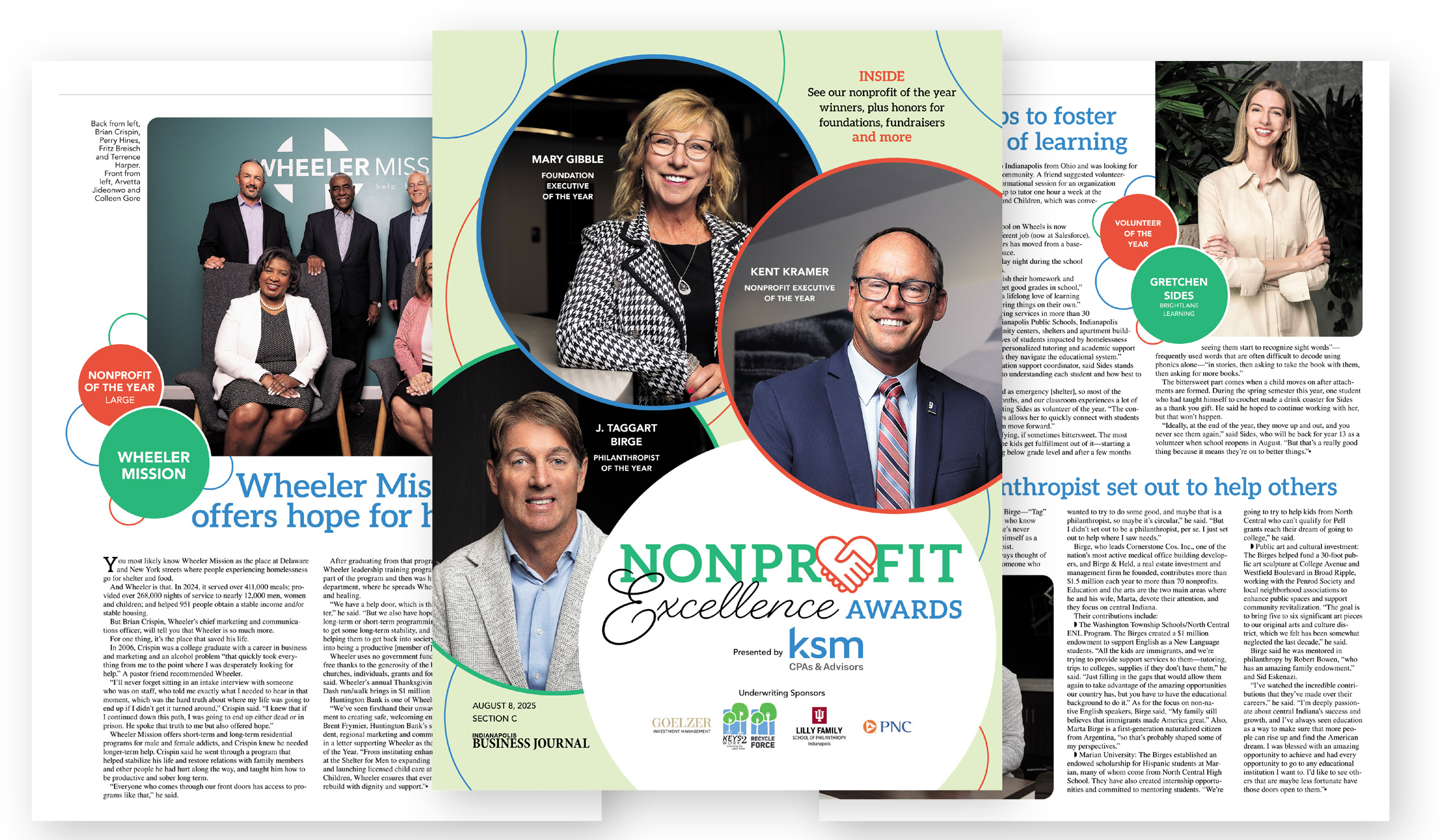
IBJ’s inaugural Nonprofit Excellence Awards recognizes the region’s outstanding mission-driven organizations and the people who are making those missions come to life.
NONPROFIT OF THE YEAR
DISTINGUISHED RECOGNITION
LARGE
Damien Center
CEO: Alan Witchey
Damien Center provides a “one-home” model of care that integrates medical, mental health, housing, harm reduction and support services for people living with or at risk of developing HIV. Damien also describes itself as Indiana’s only LGBTQ+ health center.
From 2021 to 2024, Damien Center more than doubled the number of people served, growing from 5,995 to 11,046 clients. In the same period, clinic services increased 134%, and pharmacy use rose 141%.
Damien’s Mosaic Building and Café Oztara opened in 2025, expanding access and launching job training for marginalized communities. Damien Center’s HIV outcomes far exceed national benchmarks: 92% of clients are virally suppressed, compared with 65% nationwide.
Indianapolis Neighborhood Housing Partnership
CEO: Gina Miller
The Indianapolis Neighborhood Housing Partnership seeks to tackle the city’s affordable housing crisis with practical solutions and innovative lending.
In 2024, INHP supported more than 200 mortgage originations, delivered $5.5 million in mortgage financing through its Community Lift program and preserved or developed 747 housing units through community lending, transit-oriented development, grants and single-family home development
INHP offers below-market interest rates, down-payment assistance and programs like Rent-Focused Lending, which uses rental history to qualify buyers.
INHP’s Arnold Place project—33 town houses in Reagan Park—is its largest development to date. It also opened a headquarters at Brougher Plaza, centralizing education and lending services for easier access.
Noble Inc.
CEO: Wade Wingler
Noble Inc. has empowered people with disabilities for more than 70 years through community-based services, job support and creative programs.
In 2024, Noble served more than 4,300 individuals and families, surpassing pre-pandemic numbers. It offers personalized support in inclusive settings—95% of clients receive home- and community-based services.
Recent milestones include the new Moving Forward Career Center and Noble Art, a Speedway facility that will soon offer day services, art therapy and a retail space for client-made work. Noble also partners with more than 200 schools and organizations each year to amplify its impact.
Noble’s mantra is: Dream it. Live it. “It is the essence of our mission,” the group’s nomination said. “And it’s the fuel that drives everything we do.”
NONPROFIT OF THE YEAR
MEDIUM
LUTHERAN CHILD AND FAMILY SERVICES
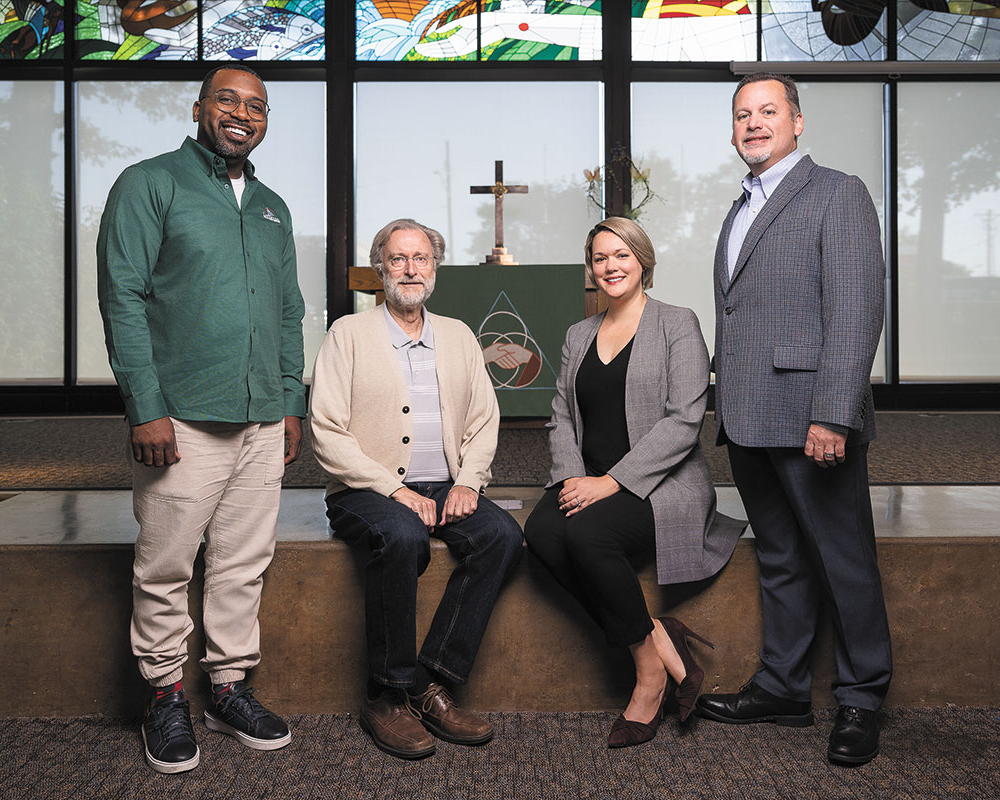
Lutheran empowers, engages Indiana families
NONPROFIT OF THE YEAR
DISTINGUISHED RECOGNITION
MEDIUM
Hatch
CEO: Danny Leckie
Hatch is tackling hunger with a protein-first model. Unlike traditional food-relief efforts focused on shelf-stable goods, Hatch delivers fresh animal protein to food-insecure families—and is scaling its operations nationwide.
In 2024 alone, Hatch provided 85 million servings of protein—including eggs, chicken and turkey—across 38 states. Since 2022, it has delivered more than 200 million servings, filling a key nutritional gap.
Locally, working with the Community Alliance of the Far Eastside and a United Way grant, Hatch introduced the Crisis Cooler program, which placed refrigerators stocked with fresh food in four community hubs, helping residents in one of the nation’s largest food deserts.
Hatch’s model brings together farmers, processors and food banks—creating an efficient, scalable system that prioritizes nutrition, not just calories.
Overdose Lifeline
CEO: Justin Phillips
Since 2014, Overdose Lifeline has distributed more than 1 million naloxone kits, saving lives and reducing overdose deaths across Indiana. Founded by Justin Phillips after losing her son to heroin, the organization brings a community-centered approach to the opioid crisis.
Programs include grief support, family training, school-based naloxone access statewide and youth education, including “This Is Not About Drugs,” a curriculum for grades 6–12 focusing on opioid awareness and prevention. The group’s Heart Rock Justus Family Recovery Center keeps mothers and children together during recovery.
Overdose Lifeline also leads the MACRO-B Coalition, an effort that evolved from an academic project aimed at reducing overdose deaths in Indiana’s hardest-hit ZIP codes. The project has contributed to a 26.9% reduction in overdose deaths in Black and brown communities.
USA Football
CEO: Scott Hallenbeck
USA Football, the sport’s official national governing body, is reshaping how football is taught and played across the United States.
In 2024, the Indianapolis-based nonprofit served more than 148,000 individuals and organizations. It issued more than 104,000 coaching certifications, which impacted roughly 1.8 million athletes. USA Football also awarded $1.1 million in grants and 32,000 flag belts and 5,000 footballs to more than 1,700 organizations. Its Football Development Model ensures age-appropriate, safety-first coaching nationwide.
USA Football also leads U.S. national teams in international competition. In 2024, both the men’s and women’s flag teams won world championships, reinforcing the United States as a global leader in the sport.
The organization helped secure flag football’s inclusion in the 2028 Olympics and continues to promote access through girls’ leagues and community grants.
NONPROFIT OF THE YEAR
SMALL
DOVE RECOVERY HOUSE FOR WOMEN
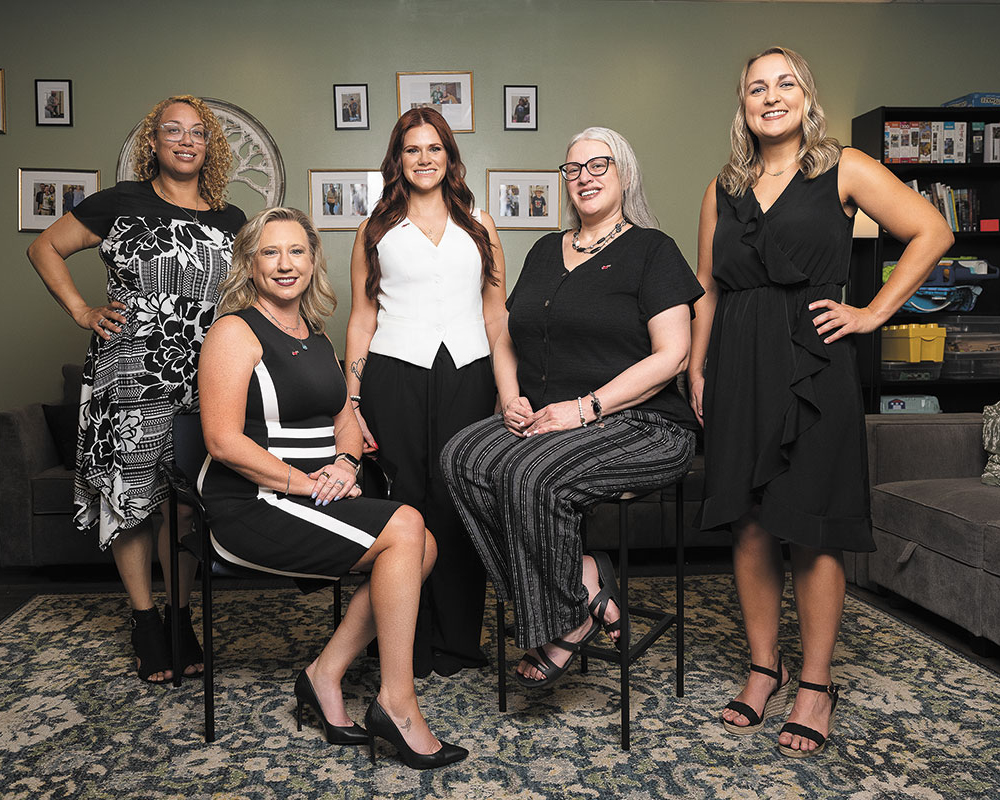
There’s ‘nothing like Dove House in the state’
NONPROFIT OF THE YEAR
DISTINGUISHED RECOGNITION
SMALL
NeuroHope
CEO: Chris Leeuw
NeuroHope is changing the way Indiana approaches neurorecovery by providing more affordable, long-term rehabilitation for people with spinal cord injuries, brain injuries, strokes and other neurologic conditions.
In 2024, NeuroHope served 254 extended care patients. Nearly half also joined its adaptive fitness program, the first of its kind in central Indiana.
Founded by a quadriplegic who recovered from a paralyzing spinal cord injury, NeuroHope’s services combine advanced therapy, peer support and innovative technology. In recent years, it has launched several services, including occupational therapy, speech therapy and the first wheelchair-accessible fitness center in central Indiana.
The organization has partnered with the Sam Schmidt-founded Conquer Paralysis Now organization on a 100,000-square-foot recovery and adaptive sports campus in Carmel called the DRIVEN NeuroRecovery Center.
Immigrant Welcome Center
CEO: Gurinder Kaur
The Immigrant Welcome Center is central Indiana’s only nonprofit serving all immigrants, regardless of origin, language or status.
In 2024, it supported 9,852 people from 78 countries and facilitated more than 15,000 resource searches through IWC Connect, its multilingual online platform.
Its nationally recognized Natural Helpers program—with 99 trained immigrant volunteers—offers peer support in 46 languages. The center also trains partner organizations to better serve diverse communities.
From legal clinics and rights workshops to culturally rooted outreach, the center helps immigrant neighbors meet basic needs and build lasting connections.
This year, the group created an Ask a Lawyer event offering free legal consultations and Know Your Rights workshops.
Brooke’s Place For Grieving Young People
CEO: Theresa Brun
Brooke’s Place is central Indiana’s only nonprofit focused solely on childhood grief support.
It was founded in 1999 and named in honor of Brooke Wright, whose father was killed in the American Eagle crash in Roselawn in 1994.
Brooke’s Place helps children, teens and caregivers cope with the death of a loved one through support groups, therapy and school-based outreach. In 2024 alone, Brooke’s Place offered grief-support programming and education to more than 4,000 individuals.
The group’s flagship program—its ongoing support group—currently has record enrollment, serving more than 600 children, teens, young adults and their caregivers.
Programs are evidence-based and have been shown to reduce anxiety, improve coping and build emotional resilience. In recent surveys, 94% of participants said they better understand their grief.
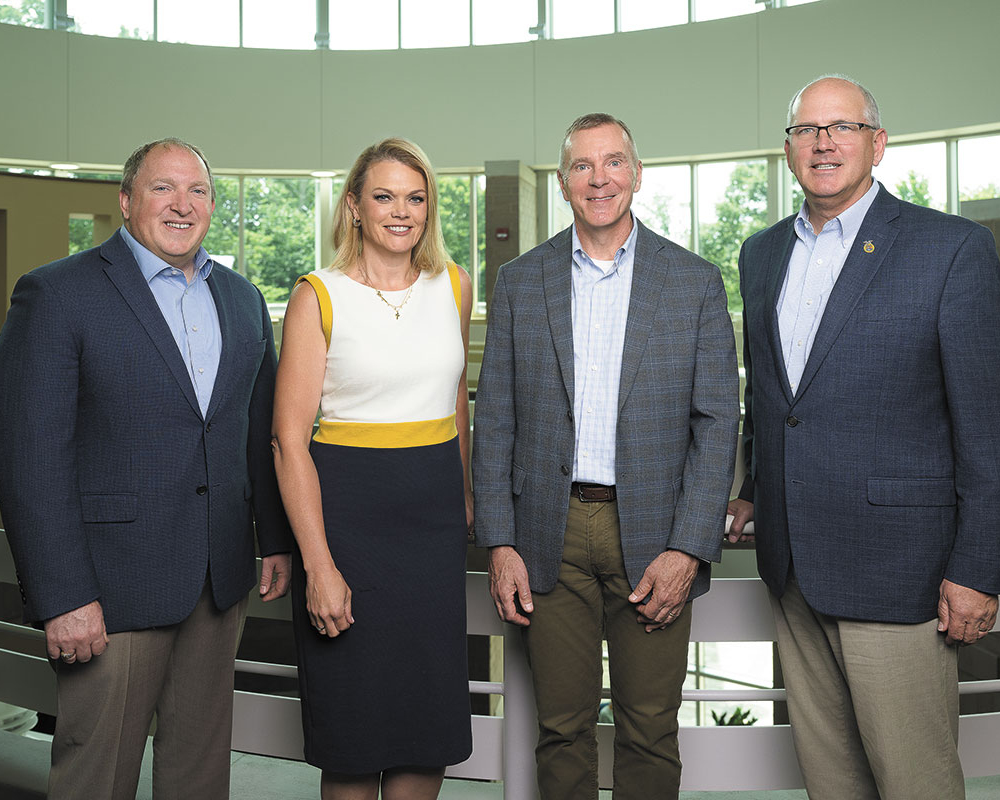
FOUNDATION OF THE YEAR
NATIONAL FFA FOUNDATION
Strategic investment leads to career success
FOUNDATION EXECUTIVE OF THE YEAR
MARY GIBBLE
COMMUNITY FOUNDATION OF HANCOCK COUNTY
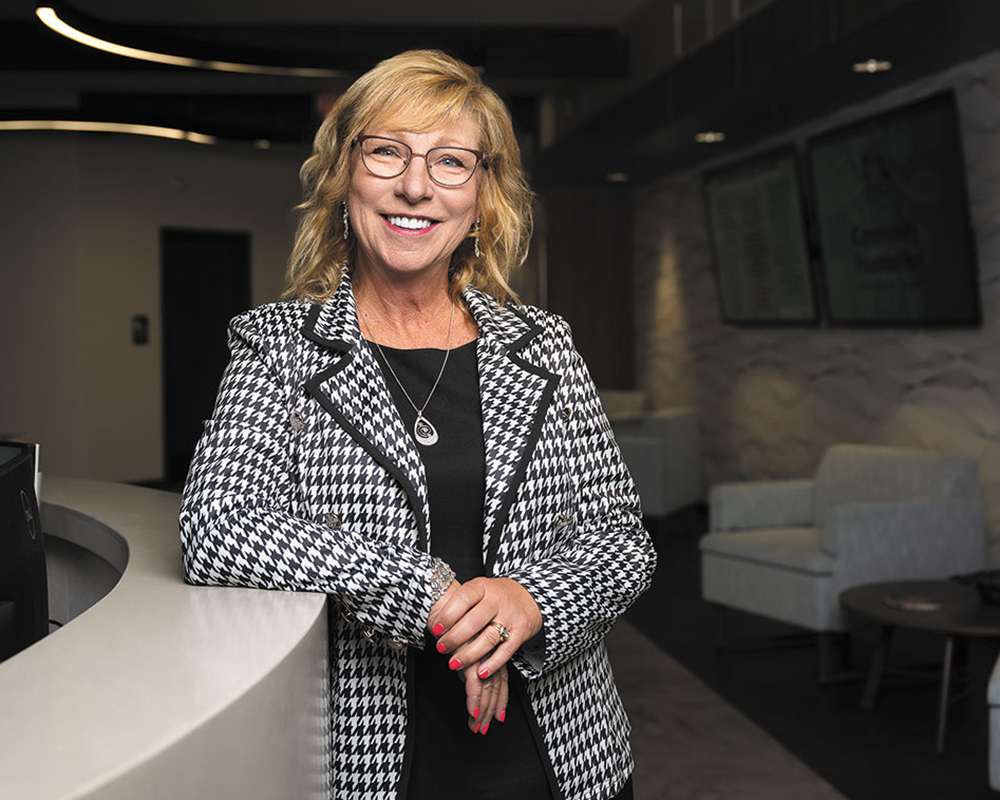
Gibble contributes to community she loves
NEW NONPROFIT PROGRAM OF THE YEAR
CHRISTEL HOUSE INTERNATIONAL
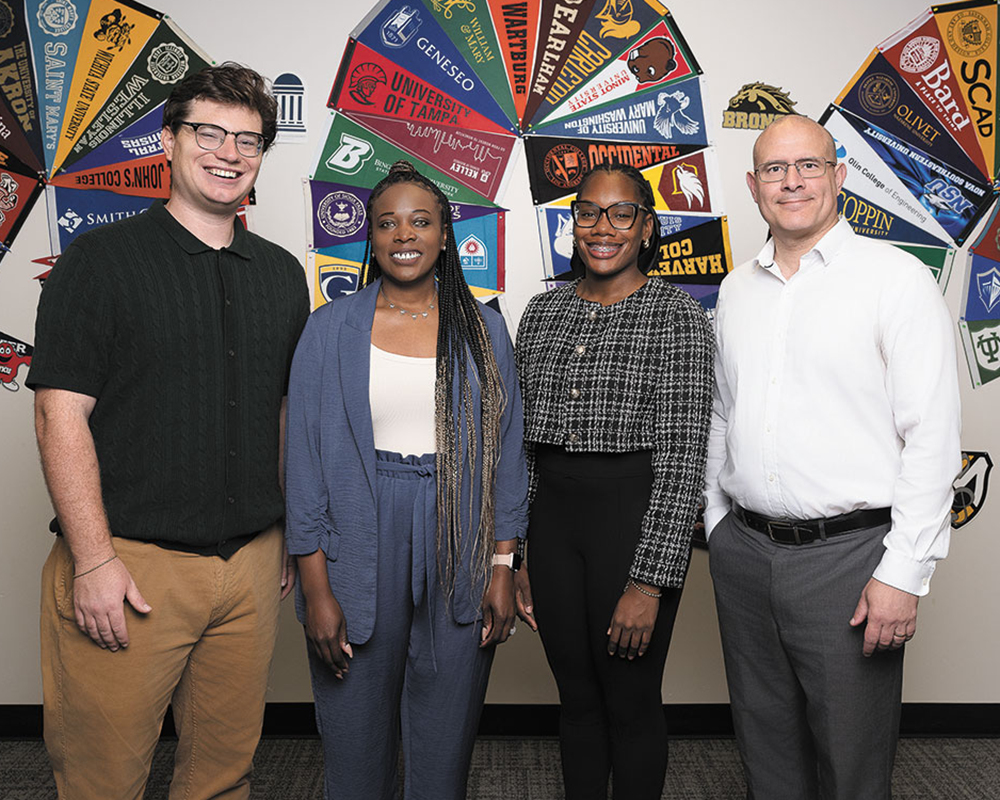
Moving children ‘out of poverty for life’
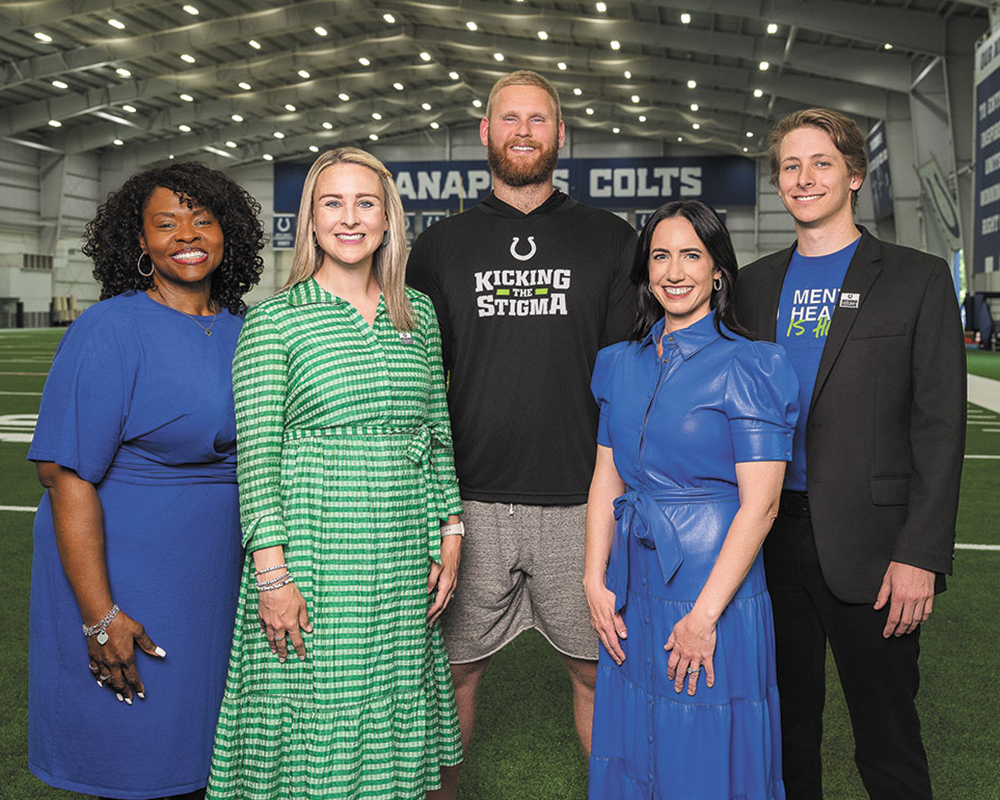
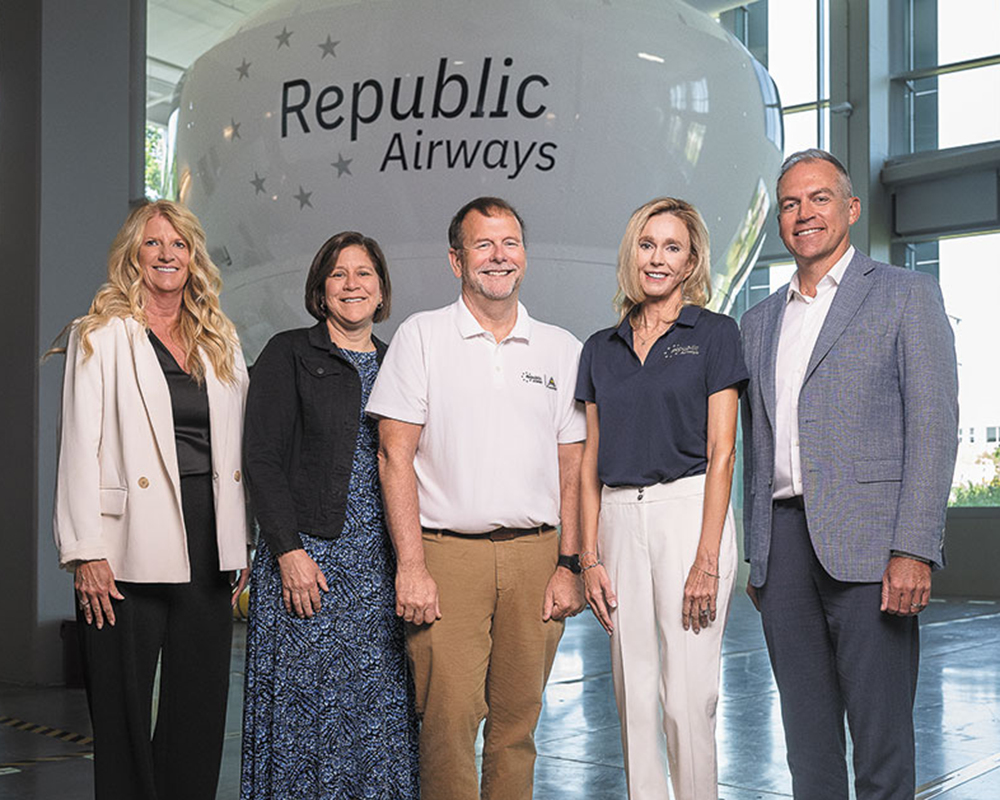
BEST COLLABORATION BETWEENA BUSINESS AND A NONPROFIT
INDIANA SPORTS CORP. AND ONEAMERICA FINANCIAL
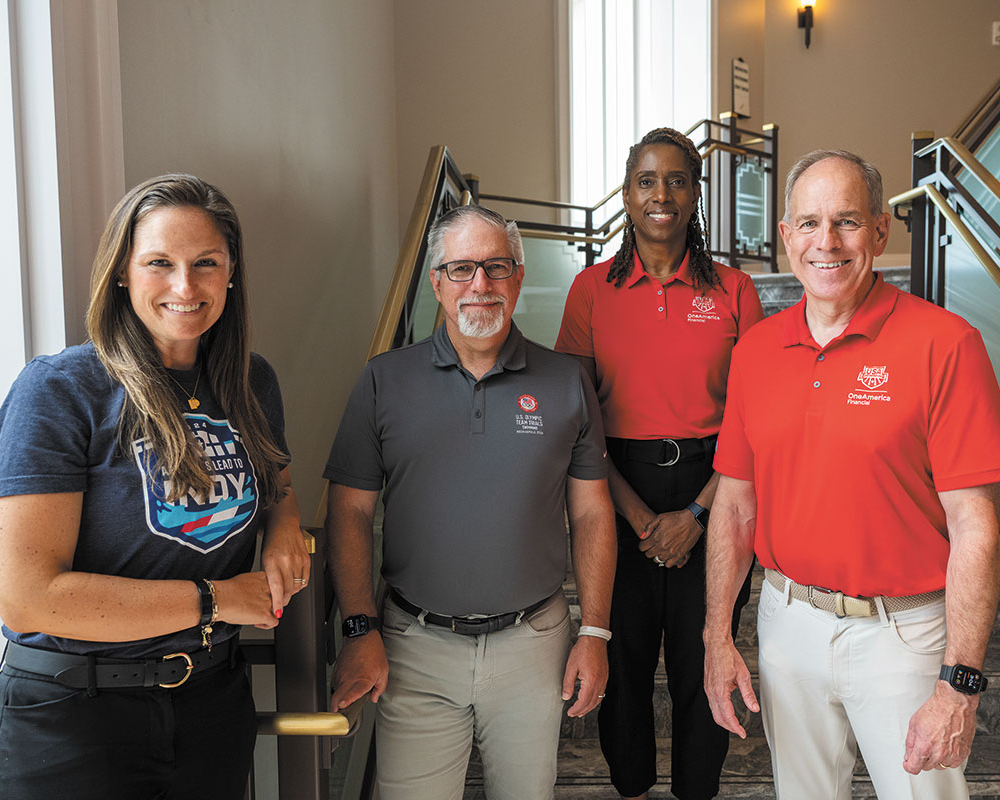
Collaboration brought community to trials
VOLUNTEER OF THE YEAR
GRETCHEN SIDES
BRIGHTLANE LEARNING