

Welcome to IBJ's 2026 “Business Cares: Breast Cancer Awareness” microsite.
The last decade has seen significant advancements in breast cancer diagnosis and treatment. Just last December, the Food & Drug Administration approved the use of robotic surgery that's having a huge impact for the women who qualify. On this year's “Business Cares: Breast Cancer Awareness” microsite, you can read how surgeons at both Ascension St. Vincent and Community Health Network are using the new technology to vastly improve the post-surgical experience for women. Here are the other topics you'll find on the microsite—part of our annual effort to spread the word about breast cancer prevention, detection, treatment and survival:
- The story of breast cancer survivor Susan Brock Williams, who brings her personal experience to bear in her job at Eli Lilly and Co. and as a volunteer for the Indiana chapter of the American Cancer Society.
- IU Health's dedication to going beyond traditional definitions of personalized medicine— from using technology in thoughtful ways to focusing on better access and outcomes.
- Susan G. Komen's impact in Indiana and beyond in the areas of policy, patient care, education, research, and health equity relating to breast cancer.
- A veteran surgeon with the IU Melvin and Bren Simon Comprehensive Cancer Center discusses the many advancements she's seen and the exciting progress that's yet to come.
- A calendar of breast cancer fundraisers happening in October and November.
Thanks to the 19 companies and organizations listed below that sponsored this important section of IBJ. Their investment will fund a Breast Cancer awareness campaign throughout the month of October via print, digital and e-newsletter platforms.
And thanks to our readers. We hope you'll support our sponsors as they join all of us in working to improve awareness and treatment of breast cancer.
Sincerely,

Nate Feltman
Publisher, President & CEO
- Becknell Industrial
- Community Health
- Cornerstone
- CSO
- Dean Dorton
- Eskenazi
- F.A. Wilhelm Construction
- Franciscan Health
- Hancock Regional Health
- Indiana Breast Cancer Awareness Trust, Inc
- Indiana University Health
- Indiana Women in Need Foundation (IWIN)
- Indy Grills
- Northwestern Mutual
- Parkview Health
- Perspective Financial
- Shiel Sexton
- SIHO Insurance / MyTruAdvantage
- Susan G Komen
2026 Breast Cancer Awareness Events
Indianapolis MORE THAN PINK Walk
Saturday, October 3
Historic Military Park at White River State Park
Join this annual walk in support of breast cancer research
sponsored locally by Eli Lilly and Co., Merchants Bank,
and Asphalt Materials Inc. For more information about the
morning's activities and for registration, visit
www.komen.org/indianapoliswalk
American Cancer Society Cancer Action Network Policy Forum
Thursday, October 8, 9:30 AM to 11:30 AM
1210 Waterway Boulevard, Suite 2000, Indianapolis
This free forum includes panel discussions moderated by
Vince Wong, CEO and President of BioCrossroads and
Crossroads Health Ventures. Panels will discuss frontiers
in cancer diagnostics and developments in cancer therapy.
The Forum also includes networking and optional lab tours.
To register, visit
Fightcancer.org/INPolicyForum
32nd Annual Stars of Pink Fashion Show
Saturday, October 10, 6:30 PM
Indianapolis Marriott Downtown
“Seen & Unveiled: The Strength Behind the Mask” is the
theme of this year's fashion show, the largest annual
fundraiser for Pink Ribbon Connection, which provides free
supplies, peer counseling, and vital education to people
across Indiana who are facing breast cancer. Through its
programs and community partnerships, Pink Ribbon
Connection strives to ensure that no one faces breast
cancer alone.
Indianapolis Discovery Ball
Saturday, November 7, 6 PM
JW Marriott, Indianapolis.
The American Cancer Society's Indianapolis Discovery Ball
presented by Andy Mohr Automotive Group is a premier event
that brings together corporate and community leaders with
a passion to end cancer as we know it, for everyone. This
gala has an attendance of 550 guests from corporate and
community leaders, businesses, foundations, donors,
supporters, cancer survivors, caregivers and volunteers.
The Indianapolis Discovery Ball starts with a cocktail
reception and silent auction, followed by an inspiring
dinner program with live auction, mission speaker and
raise the paddle for Access to Care, concluding with an
after party with a live band, dancing and refreshments.
For tickets, visit
discoveryballin.acsgala.org.
A new era in patient-centered breast surgery
By Dr. Joshua Manghelli
When I first heard about robotic mastectomy as a surgical resident in 2019, I saw its potential to change what breast surgery could look like for patients. I had already seen the benefits of minimally invasive robotic surgery in other areas of medicine: smaller incisions, less disruption to anatomical planes and often a smoother recovery. I believed those same principles could make a meaningful difference for patients facing mastectomy.
Now, with Intuitive's da Vinci Single-Port system, that promise is becoming reality at Community Health Network. The U.S. FDA cleared the system for breast surgery in December. The technology allows surgeons to perform a nipple-sparing mastectomy through a smaller, more hidden incision. Traditional mastectomy incisions may be 6 to 13 centimeters on each side. With this approach, the incision can be about 3 centimeters per side and placed in the underarm area, where it is largely concealed.
That may sound technical, but for patients, it can be deeply personal. A mastectomy is part of a cancer journey, a risk-reduction decision or both. Patients carry the physical and emotional reminders of that experience long after surgery. When a patient can look in the mirror and not immediately be confronted by a large scar, that can matter tremendously for quality of life.
One of the most powerful moments for me came when I saw my first da Vinci SP mastectomy patient back in clinic. I had to look for the scar. That confirmed what I had hoped: this was not simply a new gadget or a different way to do the same thing. It was a way to make a difficult surgery less visible, less painful, and potentially less disruptive to a patient's life.
The early benefits are encouraging. Smaller incisions generally mean less healing and less pain. Patients have been pleased with the early cosmetic results. In many cases, this approach also allows the plastic surgery team to place an implant directly, rather than first placing a tissue expander and requiring another operation later. Avoiding an additional surgery is a significant benefit whenever it can be done safely and appropriately.
Another early and exciting finding from leaders in this field is that many patients retain sensation in the breast and nipple area. With open mastectomy, loss of sensation is common and can be one of the most difficult long-term changes to accept. Preserving more sensation while still performing a safe cancer or risk-reducing operation would represent a major improvement in the patient experience.
Robotic surgery also changes the experience for surgeons. Open mastectomies can be physically demanding, requiring long periods of standing, retracting and working in positions that strain the back, neck and shoulders. With the robot, the surgeon sits at a console with enhanced visualization and precision. The more comfortable and focused a surgeon can be, the better positioned the team is to provide careful care from start to finish.
Because the da Vinci SP technique is new, patient selection remains important. My first patient had a genetic mutation, did not yet have cancer and was pursuing surgery to reduce future risk. That allowed us to focus on the operation without the added complexity of removing active cancer. A physical exam, imaging review and conversation are essential to determine whether this approach is appropriate.
At the same time, I believe this technology might expand who can be considered for nipple-sparing mastectomy. Historically, some patients were not considered ideal candidates because of breast size, shape or anatomy. The single-port robotic approach uses insufflation to create space and reduce traditional retraction, which may make the operation possible for more patients.
Experience with robotics is also an important part of our story at Community. I trained on robots during residency and have performed hundreds of robotic operations. In late August, I performed the first da Vinci SP mastectomies for Community. Despite that recent start, our experience and workflow already make it possible to perform up to two of these innovative surgeries in a day.
That access matters because da Vinci SP technology is available at a limited number of health care centers across the country, and even fewer surgeons are using it for breast procedures. Patients should not have to travel far from home to benefit from meaningful advances in breast cancer surgery. Bringing this option to our community means more patients can have a conversation about whether it is right for them, close to the support systems they already rely on.
I am careful not to overpromise. We are still early in our experience, and long-term outcomes will take time to fully understand. So far, patients have done well. Their pain has been less than what we typically see with traditional surgery, the early cosmetic results have been strong and recoveries have been smooth.
Looking ahead, I am excited about where this field can go next. One area I hope to explore is how artificial intelligence may help surgeons better understand exactly where a cancer is during an operation and how close it may be to the surgical margins. If imaging information can provide more guidance in real time, surgery could become even safer and more precise.
For now, the most important message is this: breast surgery is evolving in ways that puts quality of life closer to the center of the conversation. Treating cancer and reducing risk will always be the priority. But how patients heal, how much pain they experience and how they see themselves afterward also matter. The da Vinci SP approach gives us another way to honor all of those goals.
In my view, this is the most significant advancement in breast surgery in decades. It is not right for every patient, and every case deserves careful evaluation. But for appropriate patients, it can offer something powerful: excellent surgical care with less visible evidence of what they have been through. That is not cosmetic alone. It is human. And it is why this work is so exciting.
Manghelli is a breast surgeon for Community Health Network.
Preserving wholeness through single port robotics
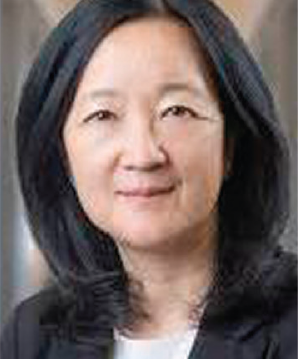
By Dr. Christina J. Kim
For decades, the standard of care in surgical breast oncology presented patients with a difficult compromise. To eliminate cancer or lower high genetic risk, women often had to accept significant physical trauma, such as incision lines across the breast, the complete loss of the natural skin envelope and permanent loss of feeling.
As surgeons, our primary mission has always been eradicating disease. But as medical technology evolves, our definition of successful cancer care must expand. True healing requires more than just a biological cure; it requires preserving the identity, body image and overall quality of life of a patient.
At Ascension St. Vincent, we recently crossed a landmark threshold in bringing that future to Indiana. Through single port robotic nipple sparing mastectomy, we can now offer select patients a procedure that removes high risk or cancerous tissue through one small incision tucked discreetly under the arm or along the bra line. This leaves no scars on the breast itself.
Validated by Rigorous Clinical Trials
Minimally invasive approaches are not adopted lightly in oncology. Single port robotic breast procedures arrived in routine clinical practice only after extensive clinical trials at leading research institutions established three critical benchmarks:
- Oncologic equivalence: The robotic platform allows for complete dissection of breast tissue, offering identical cancer safety outcomes to traditional open surgery.
- Reduced tissue trauma: Gentle robotic movement reduces skin flap traction, lowering the risk of skin and nipple tissue loss compared with conventional methods.
- Sensory preservation: Data from clinical trials show that 65 percent to 80 percent of patients retain measurable skin and nipple sensation—a major leap forward from total sensory loss.
Who benefits most?
While robotic surgery is a powerful step forward, it is a tool rather than a universal solution. Patient selection is critical.
Primary candidates for this approach include women seeking risk-reducing mastectomies due to inherited genetic mutations, such as BRCA1 or BRCA2, as well as carefully selected patients with early stage breast cancers. Factors like tumor size, location relative to the nipple and individual anatomy dictate whether a patient is suitable. Detailed, personalized consultations remain the foundation of every surgical decision.
Expanding medical innovation in Indiana
This past spring, our team performed the first post clinical trial single port robotic nipple sparing mastectomy in Indiana at Ascension St. Vincent Fishers. Bringing this capability to the Indianapolis area ensures that local patients no longer need to travel to out-of-state academic centers to access top tier surgical innovation.
The procedure relies on a highly coordinated team approach. Once the oncologic removal is completed through the hidden entry point under the arm, reconstructive plastic surgery immediately begins. Because the skin envelope of the breast remains intact, the reconstructive surgeon works with a pristine canvas. This enables single stage implant or tissue expander reconstruction with optimal cosmetic and functional results.
The future of surgical oncology
The adoption of single port robotics in breast care signals a broader movement across medicine: surgical procedures are becoming less invasive, less painful and more aligned with the total recovery of a patient. Smaller entry points mean fewer complications after surgery, faster physical healing and a quicker return to daily life, family and work. As we observe Breast Cancer Awareness Month, we celebrate not only advances in early detection, but also the technology that honors the patient behind the diagnosis. Our ultimate goal is to give women the option to wake up from surgery feeling whole physically, cosmetically and emotionally.
Dr. Kim is a board certified, fellowship trained breast surgical oncologist practicing at Ascension St. Vincent Breast Care in Fishers and Kokomo.
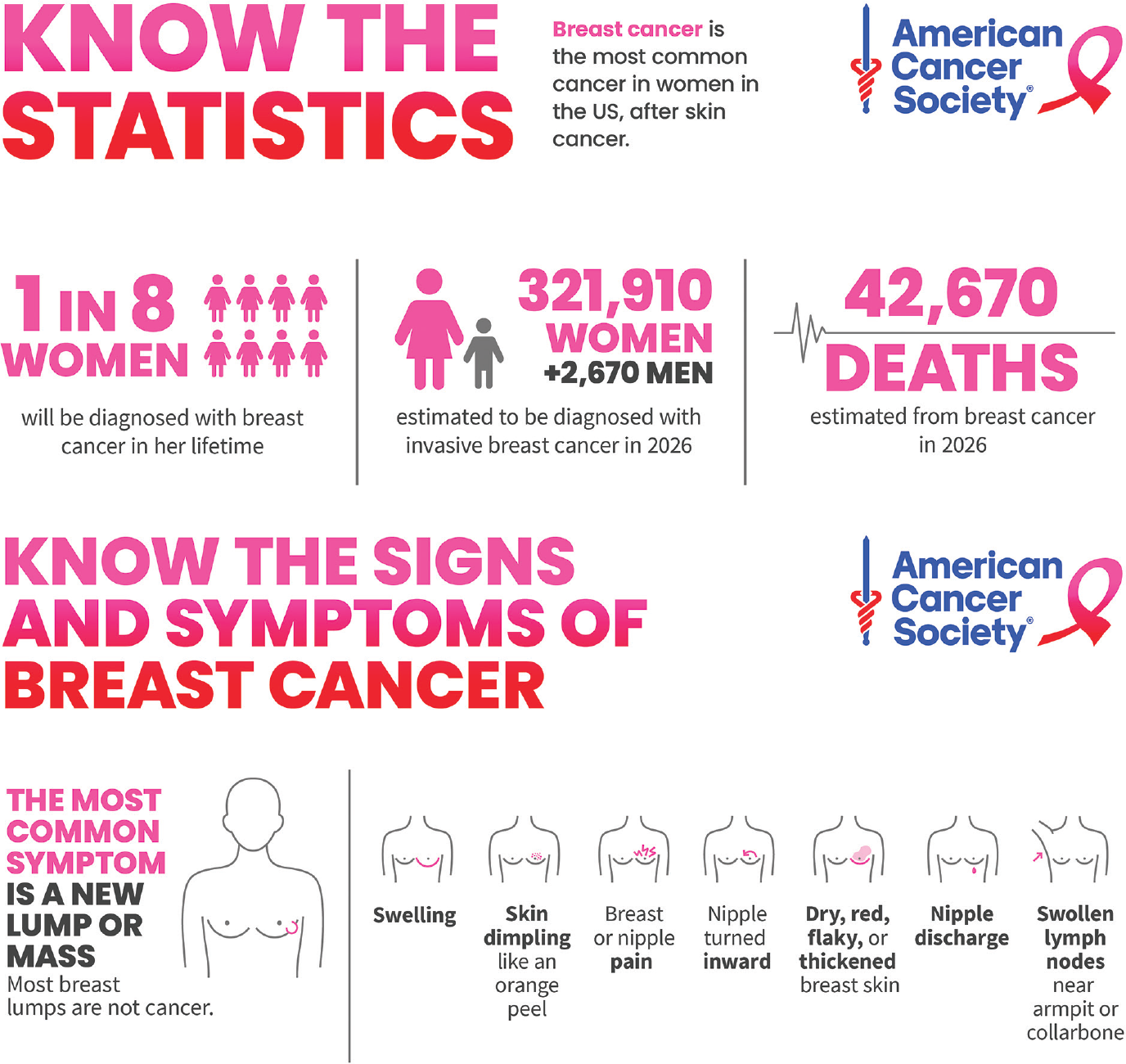
Visit cancer.org/action for more information.
A decade later:
How one Indianapolis advocate turned diagnosis into
purpose
Content Provided by the American Cancer Society
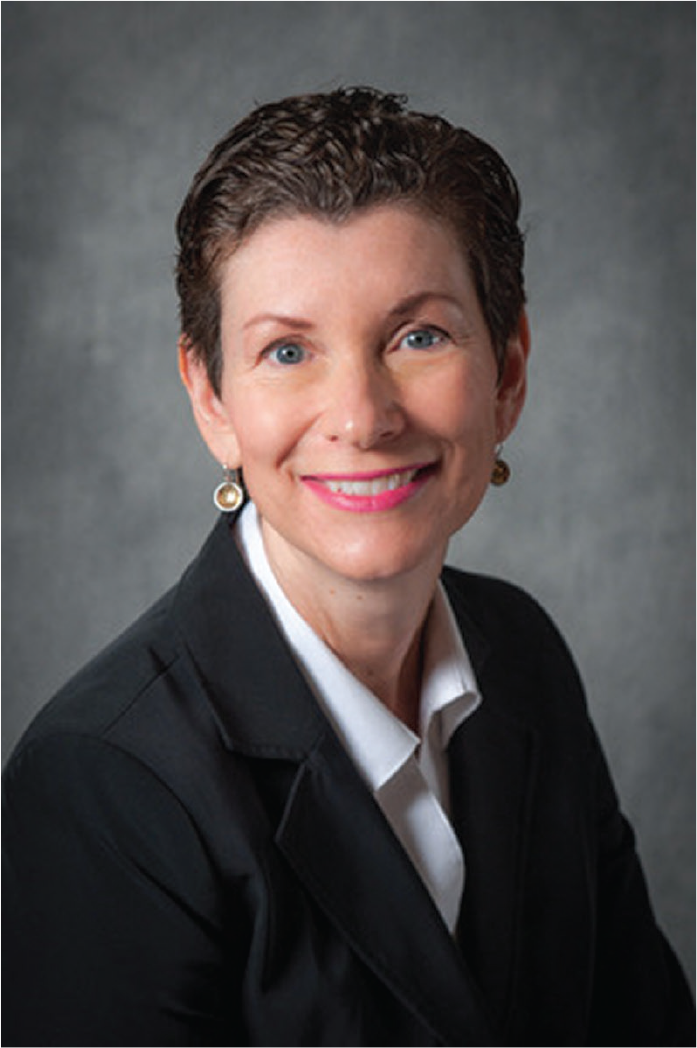
Susan Brock Williams remembers exactly where she was when her doctor called: pulled over on the side of the road on a rainy afternoon, fumbling for a sticky note and pen. The date was November 8, 2016, Election Day, a bit of irony not lost on a woman who has spent much of her career in government affairs. She was diagnosed with an aggressive, HER2-positive breast cancer: a kiwi-sized tumor, stage 3 heading toward stage 4. According to the American Cancer Society, HER2 is a protein that helps breast cancer cells grow quickly. Breast cancers with higher levels of the protein are called HER2-positive and account for between 15% and 20% of breast cancers.
There was no family history. She’d had regular mammograms for years and encouraged others to do the same. She knew she had dense breast tissue but says no one had fully explained what that meant or how it could hide a tumor. “Advocating for yourself and further diagnostics is so, so important if your doctor doesn’t do that,” says Williams.
What followed was 18 weeks of chemotherapy and treatment with the drug Herceptin, a month of radiation therapy, an eight-hour double mastectomy and, finally, reconstruction surgery after she had healed from the other treatments. Fittingly, her first infusion fell on Inauguration Day 2017. She credits her family, friends, fellow survivors and her Community North treatment team, and especially her nurse navigator, with getting her through it all. “She got me through so much,” Williams says. “There was never a dumb question.”
Herceptin, the targeted therapy that treats her specific cancer type, became something Williams researched extensively, reading about its development in labs and journey through Genentech and Roche to patients like her. Years later, on a business trip to Switzerland, she stood in front of a room full of Roche executives and thanked them personally for the drug that saved her life. Weeks after that, at an American Cancer Society event, she met a fundraiser who, as a young mother, had been part of the clinical trial that helped make Herceptin possible. “We hugged and hugged and hugged,” Williams says.
Today, 10 years after her diagnosis, Williams works in government affairs for Eli Lilly and Co. and is a longtime volunteer with the American Cancer Society, where she has served on the Indiana area board for six years and recently completed a term as board chair. In 2024, she helped push a biomarker-testing coverage bill through the Indiana Statehouse, advocating, she notes, as a Lilly employee, a cancer survivor and an American Cancer Society volunteer all at once. Williams' ACS volunteer work helps to fuel cancer research, advocacy and patient support.
Her advice to other women: follow American Cancer Society guidelines and get screened, ask your doctor about additional screening if you have dense breast tissue, know your body, learn your family health history and pay attention when something feels wrong. “Please, please know your body,” she says. “I ignored the signs for a bit. I should have gotten on it right away.”
She’s healthy now, and grateful she can advocate for and support people facing cancer. “It’s all worth it,” she says, “if this helps anyone.”
Breast cancer care should be as unique as the patients it serves
By Dr. Rina Yadav
There is a phrase we hear often in medicine: “Treat the patient, not just the disease.”
In breast cancer care, that principle is becoming more important than ever. But I would take it a step further: We should know the patient before we treat the disease.
Breast cancer is not one disease, and the patients who develop it are not interchangeable. Yet our approach to breast cancer prevention and treatment has sometimes been built around broad categories—age, family history, tumor type or stage—when the reality is far more nuanced.
In 2026, an estimated 321,910 women and 2,670 men in the United States will be diagnosed with invasive breast cancer. At the same time, breast cancer mortality has fallen substantially over the past several decades, demonstrating what is possible when earlier detection, research, and treatment advances come together.
The next step is making sure those advances are personalized to the person sitting in front of us.
Personalization should begin before cancer does
When people hear “personalized breast cancer care,” they may think about genomic testing after a cancer diagnosis. That is an important part of modern oncology. We can examine characteristics of a tumor—including hormone receptors, HER2 and other biomarkers—to better understand how an individual cancer behaves and which treatments are most likely to help.
But personalization should not start with a biopsy.
It should start with understanding a patient's individual risk.
Two individuals of similar demographics can have very different breast cancer risks. One may have a strong family history or an inherited genetic mutation. Another may have dense breast tissue or a history of a prior breast biopsy. Another may have none of these obvious risk factors and still develop breast cancer.
That is why prevention cannot simply mean telling every patient to follow the same screening schedule.
It means asking better questions.
What is your family history? Have you or a relative ever undergone genetic testing? What is your breast density identified on mammogram? Have you had a prior biopsy? What other factors might affect your risk?
A personalized approach does not necessarily mean more screening or more testing. Sometimes it means additional surveillance. Sometimes it means genetic counseling or risk-reducing medication. And sometimes it means reassuring a patient that their current screening plan is appropriate.
The goal is not to do everything for everyone.
The goal is to do the right things for the right person.
The tumor has a story, too
Personalization becomes even more important after a diagnosis.
We now understand that two patients can be diagnosed with breast cancer at the same stage and still have cancers that behave very differently. Molecular and biomarker testing can help physicians understand those differences and determine which therapies are most likely to benefit an individual patient.
That distinction matters.
For generations, the instinct in cancer treatment was often to fight harder: more chemotherapy, more treatment, more intervention.
Today, precision medicine allows us to ask a different question: Does this particular patient actually need this particular treatment?
It can mean identifying a patient who is likely to benefit from chemotherapy while sparing another patient when the expected benefit is small. It can mean matching a targeted therapy to a specific characteristic of a tumor.
In other words, personalization is not simply about finding a more powerful treatment.
Sometimes it is about knowing when less treatment is better.
Technology should make care more personal — not less human
We are also entering an era in which artificial intelligence, advanced imaging and increasingly sophisticated genomic tools are changing how we detect and understand breast cancer.
These technologies are exciting, but we should be thoughtful about how we use them.
An algorithm can identify a pattern in an image. A genomic test can identify a mutation. A computer can analyze enormous amounts of information in seconds.
But none of those things knows what it means for a particular patient to hear the words, “You have breast cancer.”
Technology should help us see more clearly, ask better questions and make more informed decisions. It should not replace the conversation between a patient and their care team.
We should be asking, does this patient want to preserve fertility? Are they caring for young children? Is avoiding a particular treatment especially important to them? Can they take time away from work for appointments? Do they understand what each of their options mean?
Those are not side questions.
They are a critical part of the treatment plan and cancer journey.
Personalization also means improving access and outcomes
There is another reason personalized breast cancer care matters: not every patient has benefited equally from the progress we have made.
Despite a lower incidence of breast cancer, Black individuals face a disproportionately higher risk of dying from the disease. Variations in early detection, stage at diagnosis and access to timely care underscore the need for more equitable approaches to prevention and treatment.
We cannot call breast cancer care personalized if the quality of that care depends on someone’s ZIP code, income, insurance status, ability to take time off work or access to a specialist.
Personalization must include access.
That means making risk assessment easier to obtain. It means connecting patients with appropriate genetic counseling and testing when indicated. It means ensuring that abnormal screening results lead to timely follow-up. And it means designing care around the realities of patients’ lives rather than expecting patients to navigate a complicated health care system on their own.
The goal is to prevent more cancers — not simply treat them better
As a physician focused on breast cancer prevention, I believe our ultimate goal should be bigger than improving how we treat cancer.
It should be preventing more cancers from occurring in the first place and finding those that do occur as early as possible.
We cannot prevent every breast cancer, but we can identify individuals whose risk may be higher than average. We can use that information to make smarter decisions about screening and prevention. We can recognize inherited risk. We can encourage healthy behaviors that are within a person’s control, such as decreased smoking, limited alcohol intake and increased exercise—all of which have shown to decrease one's individual risk of developing breast cancer.
Most importantly, we can move away from the idea that breast cancer prevention is simply a once-a-year mammogram.
Prevention is a conversation.
It is a risk assessment.
It is understanding your family history and knowing what is normal for you. It is asking whether your screening plan is appropriate for your risk—not simply your age.
Breast cancer care has already changed dramatically. Now we have an opportunity to make the next chapter even more personal.
The future of breast cancer care should not be about finding one treatment that works for the greatest number of people.
It should be about understanding the individual sitting in front of us well enough to know what they truly need— and what they simply do not.
Personalized medicine is not solely about technology, genetics, or algorithms.
It is about recognizing that behind every risk assessment, mammogram, biopsy and treatment plan is a person whose cancer—and whose life—is uniquely their own.
Yadav is Breast Cancer Prevention Medical Director at IU Health.
Fueling breakthroughs:
The economic and human impact of Komen's investments
in Indiana
Although we have seen significant advances in breast cancer care over the past several decades, which have contributed to a 44% decline in the breast cancer mortality rate in the U.S. since 1989, too many lives are still lost. Susan G. Komen®, the world's leading breast cancer organization, continues to work diligently through various initiatives to raise critical funds for the breast cancer community and advocate for those impacted by the disease.
To date, Komen has invested more than $1.1 billion in research globally. In Indiana alone, Susan G. Komen's extensive network extends across all 92 counties, touching countless lives and driving vital support to local communities. Here are a few of Komen's offerings that fuel breakthroughs for those impacted by breast cancer and help save lives in Indiana and beyond:
Policy
Government action is critical for making broad, systemic and lasting changes that will end deaths from breast cancer forever. Susan G. Komen's Center for Public Policy focuses our efforts on three key policy areas: accelerating research, ensuring access and alleviating patient burden. In Indiana, 3,217 passionate people actively advocate for breast cancer rights, pushing for policies that ensure health care is accessible and affordable for all, so that the most vulnerable populations receive the lifesaving care they need.
Patient care & support
Susan G. Komen is a trusted, go-to source for timely, accurate breast health and breast cancer information, access to services and resources, emotional support and more. Demonstrating the immense local need, 2,152 people in Indiana seek help and information from Komen every week. Through an email to [email protected] or a phone call to Komen's Breast Care Helpline at 1-877 GO KOMEN (1-877-465-6636), people can receive free, personalized support from a culturally responsive patient navigator. Through direct support and assistance, Komen helps people overcome many of the financial, logistical and systemic barriers to care they encounter.
Education
Delayed screenings and diagnoses can lead to more advanced cases and higher mortality rates. Komen encourages everyone to work with their health care providers to discuss their risk of breast cancer and create a personalized screening plan that is right for them. The organization has educational resources available on komen.org that include topics spanning the breast cancer continuum of care, from screening to support. These include Breast Cancer 101: A Comprehensive Learning Guide consisting of short, easy-to-understand videos, the Questions to Ask Your Doctor series, online educational programs such as Know More, Breast Cancer Breakthroughs, the Metastatic Breast Cancer Impact Series and information about upcoming in-person events, such as the Worship in Pink program.
Research
By funding innovative research projects, convening with experts and patients to tackle big issues, and conducting internal studies, Komen is making significant advances in breast cancer research. In 2026, Komen awarded $15.4 million in grants to cutting-edge breast cancer researchers who are bringing us closer to the cures for all breast cancers.
Health equity
Achieving breast health equity is a complex challenge that requires research, investment, diverse voices and active listening. In response to the findings of Closing the Breast Cancer Gap: A Roadmap to Save the Lives of Black Women in America, a 2021 report highlighting the underlying causes of inequities in breast cancer care, Susan G. Komen launched Stand for H.E.R. – A Health Equity Revolution. The program is Komen's commitment to decrease breast cancer disparities through focused interventions that break down barriers to quality care, ensuring individuals in Black communities have the same chances of surviving breast cancer as anyone else.
Proceeds from Komen events, like the Indianapolis MORE THAN PINK Walk, fund critical patient care services, such as the Komen Financial Assistance program, which provided assistance to 261 people in Indiana undergoing breast cancer treatment or living with metastatic breast cancer, giving them $129,400 in direct financial support to help address critical needs.
Join us on Saturday, October 3, 2026, for the Indianapolis MORE THAN PINK Walk. For more information on the Indianapolis MORE THAN PINK Walk and how you can help support Susan G. Komen programs across all 92 Indiana counties, please visit komen.org.
Advancements in surgery and treatment are making a real difference for patients
By Dr. Carla Fisher
We continue to do more with less in breast cancer surgery and treatment as we work toward better outcomes for patients that center their needs and offer improved quality of life.
As a breast surgeon for more than 15 years, I’ve been able to witness many advancements and participate in practice-changing studies. Many people know someone who had breast cancer surgery back in the 1980s or ’90s and ended up with significant lymphedema, the chronic swelling that can follow the removal of lymph nodes. That woman survived her cancer, but the surgery changed her life in ways that lasted long after treatment ended. Eliminating that kind of lasting side effect—without giving up progress against the disease itself—continues to drive my career.
Alongside colleagues in surgery, medical oncology, radiation oncology and other teams across the Indiana University Melvin and Bren Simon Comprehensive Cancer Center and IU Health, we continue to discover ways to do more with less. We have decreased complications and long-term side effects from surgery and medical therapy, and our patients are living longer with excellent survival rates.
Lymphedema prevention is among the clearest examples of surgical advances led by IU research. For several years, our team has offered lymphatic reconstruction, a procedure performed during lymph node surgery that helps reduce risk of lymphedema. IU researchers in the Divisions of Breast Surgery and Plastic Surgery were one of the first groups in the country to perform and publish this technique, and our early results showed it could meaningfully lower that risk. We’ve since followed patients across IU Health to confirm those benefits hold up long-term. We continued to refine the technique with a method called a buried dermal flap that fills the axillary space left behind after lymph node removal to further protect the shoulder range of motion.
Mastectomy advancements have followed a similar trajectory toward improved quality of life. Where we once removed the nipple-areola complex, our technique has advanced to the point that many patients can now have a nipple-sparing mastectomy that leads to a better aesthetic outcome. The next step has been preserving sensation, too. While nipple preservation is better aesthetically, many patients will lose sensation in the breast. When you’re hugging your loved ones or your kids, that numbness can be a big deal. Reattaching nerves from the chest wall adds a little time to surgery, but we’re seeing patients report improved sensation afterward. It’s not an option for every patient having a nipple-sparing mastectomy, but it’s one more way IU's surgery team is able to protect quality of life alongside treating the cancer.
So much exciting progress is still ahead of us. In the coming months, the IU Simon Comprehensive Cancer Center is expecting to open a prospective clinical trial that uses machine learning on imaging patients already receive, such as MRI, to predict how a woman’s breast will look after surgery. This study is the culmination of a multi-year translational research project in collaboration with engineers at Purdue University. The goal is to take what we are learning in the lab to eventually inform surgery decisions. Patients at IU will receive the standard of care treatment, and then we will correlate the predicted outcomes against the actual outcomes, including how patients themselves rate the results.
Surgery will always be an integral part of breast cancer treatment. When planning treatment with patients, I tell them that I need to know more about them and what’s important to them. I can share facts and data on treatments, but, ultimately, what’s most important is what’s important to the patient.
That’s true whether we’re talking about lymph node surgery, nipple-sparing mastectomy, or a lumpectomy: the more we can discuss with a patient in advance, the more she can decide what matters most to her before we ever get to the operating room.
That's the kind of research and care made possible by working within a comprehensive cancer center. Clinical trials are happening constantly to improve patient outcomes and options. Our patients are becoming a part of history-making for how we treat breast cancer, both medically and surgically. Seeing progress come full circle alongside our patients gives us hope for continued advancements in breast cancer.
Carla Fisher, MD, is a researcher at the Indiana University Melvin and Bren Simon Comprehensive Cancer Center and its Vera Bradley Center for Breast Cancer Research, a professor of surgery and chief of the Division of Breast Surgery in the Department of Surgery at IU School of Medicine, and director of breast surgical oncology at IU Health.