
For More Information
Financial plans often start with numbers: retirement goals, returns, taxes, business value, and risk tolerance. But numbers don’t answer the most important question: what is your money for?
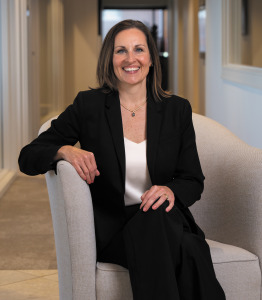
“For most of our clients it’s not just about leaving behind money,” says Kira Vaal, CFP®, CRPC®, Partner and Senior Investment Advisor at Donaldson Capital Management. “They want to leave meaning. They want their wealth to reflect who they are.”
Legacy planning begins when you decide what your money should achieve.
Redefining Legacy
Most people treat legacy as an end-of-life task, but it should guide decisions from the start. Legacy planning isn’t just writing a will or setting up a trust. It also means talking with family, planning charitable giving, preparing for business succession, optimizing taxes, and helping heirs manage assets responsibly.
Families spend decades building wealth. Few dedicate the same focus to preparing the next generation to steward it. Without careful planning, passing on wealth can strain relationships, trigger unnecessary taxes, or overwhelm heirs. A thoughtful plan prevents these problems and provides clarity.
Legacy planning asks: what should your wealth accomplish beyond security? How will it shape your family’s future?
A Structured Framework for Legacy
Donaldson Capital Management (DCM) starts by understanding family history, priorities, and long-term goals. Then the team aligns investments, taxes, estate plans, and charitable strategies with those values.
A written plan isn’t enough. DCM advisors guide families through structured meetings to uncover the stories behind the wealth—the sacrifices, values, and responsibilities that shaped it. Many families have never had these conversations before.
“When families articulate their shared history and intentions,” Vaal says, “the wealth begins to feel less transactional and more purposeful.”
These discussions ensure heirs understand not just what they will receive, but why it exists.
Why Start Now
Many people put off legacy planning until they retire or sell a business, but waiting can limit options.
“When clients clarify their intentions early,” Kira says, “it changes how we structure portfolios, manage risk, and approach taxes. Investment strategy and management become part of a bigger picture.”
For example, charitable goals can influence investing decisions. Family priorities can affect distributions. But when legacy shapes decisions early, investments, taxes, and business succession plans work together.
The Business Owner’s Perspective
Clients who own businesses face extra complexity. A company is often the business owners’ largest asset, and business transactions are rarely just financial. Succession decisions are personal and affect family, employees, and the community.
Whether business owners pass the business to family or key employees, or sell it, their choices should match their legacy goals. Coordinated tax and estate planning preserves the company’s value and direction. Without preparation, transitions create avoidable conflict.
Common Missteps
Waiting too long
Legacy talks can be emotional, so families often postpone them. Planning early gives you more control than reacting under pressure.
Relying on documents alone
Wills and trusts set legal instructions, but don’t replace honest conversations. Families who communicate openly have smoother transitions.
“Silence creates more conflict than complexity,” Kira says. “When intentions aren’t clear, assumptions fill the gap.”
Misunderstanding fairness
Splitting things equally isn’t always fair, especially with a family business, differing needs, or prior support.
Preparing Heirs
Heirs often lack financial guidance. Without guidance, large inheritances may not last. Gradual gifting, open discussions, and collaborative planning build confidence and competence.
“Wealth is empowering,” Kira says, “when individuals understand how to manage it. Providing heirs with guidance improves financial outcomes and can bring families together.”
Beyond Accumulation
Financial success isn’t just account balances. Over time, the goal becomes preserving opportunity and passing on values.
Legacy planning treats wealth as a tool, not a finish line. It asks one simple question: what should endure?
____________________________
Donaldson Capital Management
Indianapolis, IN | Columbus, IN | Evansville, IN | Alpharetta, GA
(812) 421-3211
dcmol.com
Donaldson Capital Management, LLC is an investment adviser registered with the U.S. Securities and Exchange Commission under the Investment Advisers Act of 1940. Registration does not imply a certain level of skill or training, nor does it constitute an endorsement of the firm by the Commission. This material is provided for informational purposes only and does not constitute legal, tax, or investment advice, or a recommendation of any security or strategy. Investment strategies discussed may not be suitable for all investors. Information from third-party sources is believed to be reliable but is not guaranteed. Opinions expressed are those of the author as of the date written and are subject to change. For additional information, including our Form ADV, please visit adviserinfo.sec.gov and search for our firm name. CFP Board owns the CFP® marks in the United States.