
US gas prices back up to average of $4 a gallon as Iran war heats up
The United States conducted a new round of airstrikes against Iran on Monday.
Read More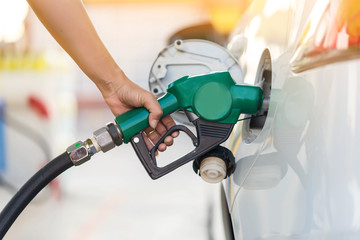
The United States conducted a new round of airstrikes against Iran on Monday.
Read More
The higher year-over-year spending has been driven mostly by pricier jet fuel rather than a significant increase in how much of it airlines consumed.
Read More
The OPEC+ oil-producing alliance has now agreed to raise oil outputs for the fifth straight month.
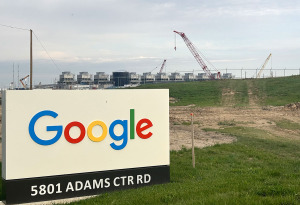
The power needed to operate data centers has increasingly drawn public scrutiny to the projects. But a draw from the power grid is just one of the energy issues at play.
Around a fifth of the world’s traded oil typically flows through the Strait of Hormuz every day.

The average price for a gallon of jet fuel in Chicago, Houston, Los Angeles and New York reached $4.88 on Thursday, up from $2.50 just before the war.
In Indiana, average gasoline prices have climbed by more than a $1 per gallon over the past month.

High diesel prices could have wide implications for the economy. Along with trucking, diesel powers the nation’s rail carriers, farm tractors, harvesters and combines.

Gasoline prices were already rising before the U.S. launched strikes on Iran as refiners began switching over to summer blends of fuel.

Farmers are also planting more acres of corn, in part to meet demand for ethanol, which means more plants working harder to stay cool — pumping out humidity that adds to steamy misery like that blanketing much of the U.S. this week.
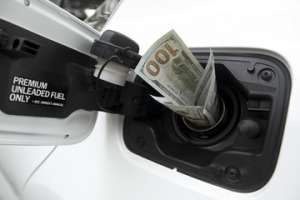
Futures and pump prices have been boosted the past few weeks by the transition to summer-grade gasoline and as inventories shrink to the lowest level since December.
Fuel markets have been squeezed, with U.S. national stockpiles staying largely below seasonal norms since around mid-July.

Starting Jan. 1, many Americans will qualify for a tax credit of up to $7,500 for buying an electric vehicle. But a complex web of requirements is casting doubt on whether anyone will be able to receive the full $7,500 credit.
A total of 52.9 cents per gallon in state taxes will be charged during January under rate changes released Tuesday by the Indiana Department of Revenue.
The production cut threatens a global economy already destabilized by the Ukraine conflict and risks saddling Biden and Democrats with newly rising gasoline prices just ahead of the U.S. midterm elections.
The waiver lifts a Clear Air Act requirement that lower-volatility gasoline be sold in the states during summer months to limit ozone pollution. The refinery provides about 20% to 25% of the gasoline, jet fuel and diesel used by Indiana, Michigan, Wisconsin and Illinois.
For months, motorists have felt the pain of high gasoline prices. Many might not know that they’re also absorbing the impact of much costlier diesel in the form of higher priced goods.
Indiana residents will soon pay 62 cents per gallon in taxes on gasoline, the state Department of Revenue announced Monday.
Shell, which recently signed a five-year extension to be the fuel sponsor for the open-wheel series, announced plans Friday to switch to a low-carbon fuel in 2023.
In other kinds of markets, a surge of demand and shortage of supply would trigger more investment. But the longer-term transition away from fossil fuels dims the outlook for demand, making companies unwilling to put up the billions of dollars needed to build new refinery plants.
In a notice sent to sellers Wednesday, the company said its costs had gone up since the beginning of the pandemic due to increases in hourly wages, the hiring of workers and construction of more warehouses.
Administration officials said the EPA has begun analyzing the “emergency” step of allowing more E15 gasoline sales for the summer and determined it is not likely to have significant on-the-ground air quality impacts.