
Subscriber Benefit
As a subscriber you can listen to articles at work, in the car, or while you work out. Subscribe Now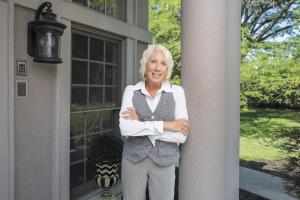
After more than four decades helping shape Indianapolis’ meetings and events industry, Debbie Locklear is preparing to retire.
The founder of Meeting Services Unlimited launched her company at a time when Indiana had no established firms in the field, turning it into a go-to planning partner for major conferences and associations.
Her final assignment: a 50th anniversary conference for a longtime client. After that, she’s officially—finally—off the clock. IBJ spoke with Locklear about her decision to step away, what she plans to do next and what it’s been like to have a front-row seat to the city’s tourism and events industry.
You’re planning to retire later this year. Why is now the right time?
Aside from my age, it just felt like the right moment. I had two client contracts wrapping up, and I decided that would be a good time to retire. My husband and I are looking forward to the next phase of life. We want to do more than just work. We gave our clients plenty of notice so they could bring in new people and still have support from us during the transition. Overall, the timing just worked out well for everyone, including our company.
What’s your final event before stepping away?
The Indiana Non-Public Education Conference. It’s their 50th anniversary, and we’ve been their meeting planner since they first started hosting conferences 30 years ago. They’ve grown tremendously, and in 2023, they had about 2,500 attendees. It’s a biennial event, so the timing lined up perfectly. It feels really fitting to end my career with the client that’s been with me the longest.
 Let’s go back a bit in your career. What got you into event planning to begin with—especially the larger, convention-style events?
I started in the hotel industry and worked through nearly every department—registration, front desk, catering, convention services, marketing and sales. At that point, the only real next step was to become a general manager, but I didn’t want the long hours or the pressure of that role.
I had worked with a few meeting-management companies out of Chicago and realized Indiana didn’t have anything like that. Not one. I spoke with people at the Indiana Convention and Visitors Bureau (now Visit Indy), and they told me I wouldn’t make it—that others had tried and failed. But I said, “I’m not them.”
I started working from home and, four years later, I rented office space. We just kept growing. I saw too many organizations relying on hotel staff to run their meetings—and that’s not how it should work. My goal was to help clients use their budgets wisely and plan efficiently. That’s been our promise from the start, and I think we’ve fulfilled it.
What was it like trying to build something new—and facing those doubts early on?
It wasn’t easy. But a former hotel client gave me a piece of advice that stuck with me. He said, “If you throw enough mud on the wall, something is bound to stick.” So I focused on meeting people. I joined the Indiana Society of Association Executives, Meeting Professionals International and other organizations. I also volunteered a lot—that gave people a chance to see my skills firsthand.
Word of mouth started to build. One person would connect me to another, and that eventually turned into a client. It was progressive, and I had to work hard for it. But it worked.
Were you working in Indianapolis hotels before launching your business?
Yes. I worked in IT for 10 years, but five of those were at the Atkinson Hotel downtown, which is now the Omni. That’s where I found my love for meeting planning. We handled a lot of educational meetings and groups brought in by the convention center, which gave me exposure to the broader industry.
Why is hiring a dedicated planner a better option for some events than relying on hotel or event center staff?
Most of the people I worked with were short-staffed and didn’t have the capacity to manage all the details. I could bring knowledge and strategy to the table, especially around how to get the most out of their budgets.
In hotels, I’d see one group negotiate major concessions, and the next would get nothing—simply because they didn’t know what to ask for. I wanted to help level the playing field and make sure every client got the best deal and service possible.
How different was downtown Indianapolis when you were working there in the late ’70s and early ’80s compared to what it is today?
There were very few hotel options, and the convention center was much smaller. We lost business because we couldn’t accommodate the size or needs of certain groups. Sometimes the Convention and Visitors Bureau would bring in prospects, and we’d do our best to patch something together using hotel ballrooms, but it wasn’t always enough. So it was a challenge.
How has Indianapolis changed as a meeting and convention destination since then?
It’s night and day. The city is much more appealing to planners and attendees now. We have more hotel inventory, better meeting space and a layout that makes sense. And most importantly, we can handle more complex and high-volume events.
But the biggest change has been technology. I started on an IBM Selectric. Then came word processors, then fax machines. I remember sending my first email and calling the client right after to ask, “Did you get it?”
Eventually, I realized the available software couldn’t do what I needed, so I helped build my own. I partnered with developers—one I met through IUPUI’s hospitality program and another team who’d worked at Blue Cross Blue Shield. We built systems that could manage tens of thousands of hotel room nights, with detailed controls around inventory, exhibitors and categories. It was essential for events like CEDIA (Custom Electronics Design and Installation Association), where we handled over 17,000 room nights and had to manage complex allocations.
Eventually, maintaining custom software became too difficult as internet platforms evolved. That’s when we moved to Stova. We’ve used it for over 10 years now. It’s not perfect, but it’s comprehensive and handles everything from AV and catering to registration, exhibit sales and sponsorships.
What’s Indy’s biggest selling point now for planners?
Having so many hotels connected to the convention center by skywalks or tunnels makes a huge difference. Years ago, we’d lose groups because they didn’t want attendees walking outside in the rain or cold. Now, we don’t have that issue.
We’ve also become more visually dynamic. You can wrap a hotel with a giant banner or feature digital signage to promote a group’s branding. The decor and production value at special events has also grown tremendously. We now have a local pool of incredibly talented event professionals.
Back when those resources didn’t exist, I helped form what’s now the Indiana chapter of [International Live Events Association]. Our first meeting drew 150 people, and we made every luncheon a showcase event—to highlight what local vendors could do and build a stronger network.
Did your business always focus on Indianapolis, or did you manage events in other cities, too?
In the earlier years, I worked across the country. But by 2020, I had narrowed my focus to organizations based here in Indianapolis. That was partly intentional and partly due to what the pandemic did to our industry. A lot of colleagues retired, were furloughed, or had to find new careers. It was a tough time.
How did you and your clients adapt during the pandemic?
Most postponed their events to 2021. One client kept their 2020 meeting but added a virtual option to give attendees more flexibility. It worked pretty well, but I didn’t enjoy it.
The hotel we used didn’t have enough bandwidth to support virtual access, which caused major problems. They fixed it the next year, but by then, people were saying, “I want to be in-person again.” We never hosted a virtual event after that.
The hardest part was trusting suppliers for technical expertise we didn’t have. When something went wrong, it reflected on us—not them. That was a tough lesson.
What does your role actually include as a modern meeting planner?
Everything—negotiating with venues, managing suppliers, handling AV and logistics, overseeing food and beverage, marketing, registration, sponsorships, exhibit sales and more. Most of our clients just want to be able to say “yes” or “no” and leave the rest to us.
Marketing, in particular, has become a huge part of the job. We’re responsible for getting people through the door, filling booths and delivering a full experience.
How are you winding down the business?
My team members are now subcontractors, and there are [four] of them; at one time, I had as many as eight employees, but with good software and systems, you don’t need a massive team. My current folks have started building their own businesses, and I continue to hire them on projects. They know how I work, how we serve clients, and I trust them completely. It also means I won’t have to let anyone go—they’re already forging their own path.
So what’s next for you in retirement?
I have a long list. I want to try writing fiction—not business writing, but something creative. After all the years of doing marketing emails and communications, I’d love to try something new and see if anyone enjoys it.
We also have a boat at Dale Hollow Lake near the Kentucky/Tennessee border. It’s a 500-mile round trip, and we’ve been weekend warriors for years. Now, we’ll have time to stay longer and really enjoy it.
I want to try organic gardening, painting and flying a drone I bought but never used. I’ve always been a creative person, and I want to keep expressing that. And, of course, I’m looking forward to spending more time with my grandkids and my family. I don’t think I’ll be bored—we’ll figure it out as we go.•
Please enable JavaScript to view this content.
An interesting entrepreneurial success story. Enjoy the well-earned retirement.