Zionsville mayor prepares pitch for big development
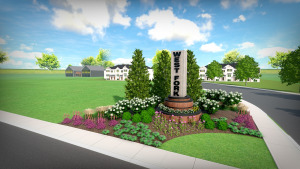
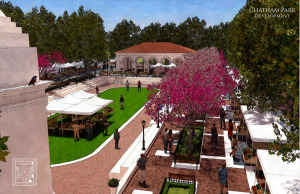
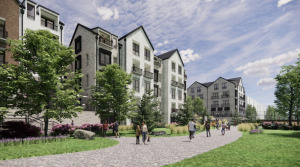
John Stehr is planning a public outreach tour throughout Zionsville to explain his plan for a 160-acre, $250 million development south of the town’s quaint, historic downtown.
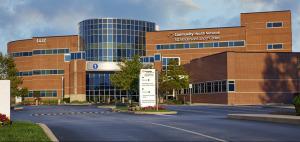
The addition would more than double the square footage of the facility and allow for expanded patient and staff services, according to a petition filed with the city’s Department of Metropolitan Development.
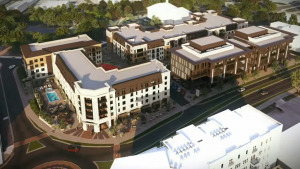
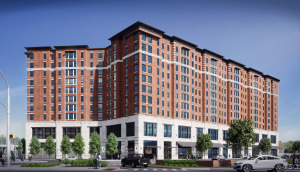
The 1.46-acre project is expected to consist of 262 apartments, a four-story interior parking garage with 323 spaces and nearly 35,500 square feet of retail, office and amenity space.
At least seven projects have been announced around since the Legislature in 2019 passed an economic development aimed specifically at data centers, which house computers, servers, and related hardware and equipment.
With a new mayor and a completely new city council in Westfield, developers have resumed submitting projects to a city they say they’ve avoided the past four years.
The group opposes the Elements multifamily project planned by developers J.C. Hart Co. and Chase Development to redevelop the Willows Event center into a 192-unit apartment community and 16 condominiums fronting Spirit Lake, north of Broad Ripple.
Environmentalists say a planned 1.9-million-square-foot warehouse complex on 170 acres near I-65 and the Marion-Johnson county line is another manifestation of the continued erosion of wetlands protections in Indiana.
City officials have hired an out-of-state firm to create a development plan for the Indiana Avenue corridor, a part of downtown that has seen neighbors push back on recent project proposals.
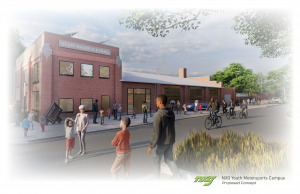
A local motorsports not-for-profit plans to acquire more than two acres at the former Central State Hospital campus on the west side of Indianapolis with a goal of converting the property into a new multi-building headquarters.
The Indianapolis Department of Metropolitan Development has started soliciting ideas for what could be done with the site of the former John Marshall High School, which it purchased from Indianapolis Public Schools for $725,000 last month.
The owner also wants the city to vacate its right to an alley between the properties, which he says has become a “safe haven for crime and inappropriate and lewd behavior.”
The university, which has 575,000 living alumni, plans to break ground later this year on Varcity at Purdue, a 230,000-square-foot community at the school’s Discovery Park District.
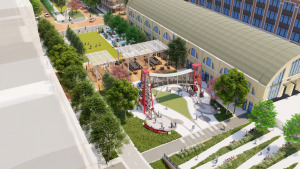
The city and Philadelphia-based Rubenstein Partners are developing plans to transform the eastern half of Parkwood Crossing into a neighborhood with office space, housing, restaurants, retail, recreation and a new street grid.
City officials plan to pour at least $10 million into structural and aesthetic improvements to five CSX railroad overpasses and the sidewalks and roads that run beneath them on the south side of downtown.
Nearby residents object to the project, which would include 817,000 square feet of speculative industrial space across 56.7 acres and a residential section with 133 single-family homes and another 52 homes in a paired-patio design.
The Hoosier Environmental Council is now supporting the West Indianapolis Neighborhood Congress in its fight against the wastewater treatment facility the Ben Davis Conservancy District wants to build at 900 S. Tibbs Ave.
INDOT wants to build an interchange at West County Road 300 North that would serve the planned 7,000-acre LEAP Innovation and Research District.
The plan proposed by Beaver Materials and the Hamilton County Parks and Recreation Department would eventually add 50 acres to Potter’s Bridge Park, but many Noblesville residents have come out in opposition.
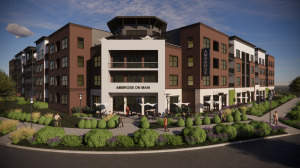
A 64-acre site is expected to become a prime live-work-play spot in the rapidly growing city’s downtown once the development is built out.
BlueIndy’s Paris-based owner announced in December 2019 that it was shutting the service in May 2020 after failing to achieve profitability. It left dozens of recharging stations throughout the city.