
Subscriber Benefit
As a subscriber you can listen to articles at work, in the car, or while you work out. Subscribe Now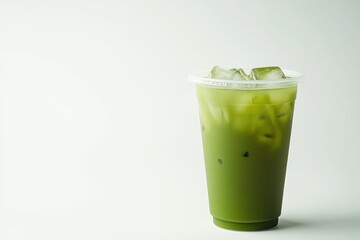
It’s in lattes, ice cream and even shampoo—and now, suddenly, it’s difficult to find.
Matcha, the bright-green tea powder from Japan, has become so popular in recent months that producers are straining to meet the surge in global demand, fueled by social media hype and a boom in tourism to Japan, according to vendors. Retailers say they’re having to pay higher prices, wait longer for shipments and search in increasingly obscure places for the centuries-old delicacy, prized for its unique sweet and umami flavor notes.
“Suddenly you can’t get matcha,” said Leo Lukidi, whose Las Vegas specialty tea shop, Tea and Whisk, has been selling matcha for nine years. “Suddenly everyone wants matcha.”
Here’s what we know about the recent matcha boom—and the shortage it’s causing.
What is matcha?
Matcha is a fine powder made from green tea leaves. It’s traditionally drunk suspended in hot water, but in recent years, it has become a staple of coffee shops and restaurants, mixed into everything from lattes to desserts.
Early forms of matcha originated in 8th-century China, but the matcha we know today developed in 16th-century Japan, where the beverage was served to elites during specialized “tea ceremonies.”
The tea leaves are grown in the shade and, depending on the grade of the matcha, ground to a powder either on a stone mill or in a machine. It’s traditionally incorporated into hot water using a bamboo whisk.
Why is there a shortage?
Matcha has become a hot commodity outside Japan—particularly as TikTok influencers rave about its health benefits and unique flavors. Tourism in Japan has also left shelves empty, with some shops limiting sales to one container per person.
In addition, matcha is now an ingredient in a wide variety of food and beauty products, from potato chips to hand lotion. Retailers told The Washington Post that the trend began to snowball over the past few years, but demand saw a major surge starting last year.
Strained supply from a heat wave this year in Japan has not helped, said André Fasciola, the CEO of Matcha.com, a retail and wholesale matcha vendor, who estimated that yields are down 20 percent compared with last year.
At the same time, his companies are now seeing “unprecedented demand,” Fasciola said, noting that over the past four years, his company’s sales soared by 940 percent, fueled by both wholesale and retail demand.
“We could go through twice as much matcha as we are getting,” he said, adding that finding customers was much harder three years ago. “It is like drinking out of a fire hose.”
What is ‘ceremonial grade’ matcha?
“Ceremonial grade” matcha is grown in the shade, handpicked and ground on a stone mill, making it more precious, expensive and tastier to drink by itself. A one-ounce container can range from $30 to $100.
Social media has glommed onto this special form of matcha, sparking a rush that has Japanese producers scrambling to meet the high demand.
“The problem is everyone is making lattes using ceremonial-grade matcha,” Lukidi said.
During a trip to Japan in May, Lukidi said he struggled to find the most prized matcha. Now, “places where you thought matcha wasn’t good enough are very popular,” he said.
Can I still get a matcha latte?
Although much of the craze has been around high-grade matcha, suppliers say all forms of matcha are still in high demand. That doesn’t mean you’ll have to sacrifice your daily matcha latte.
A Starbucks spokesperson told The Post that the company doesn’t anticipate having a shortage of matcha. They hold enough matcha reserves to weather any variability in supply and demand, the company added.
Johnny Hill, the CEO at Cha Cha Matcha—an online marketplace of matcha products and a cafe chain of more than 10 storefronts in California and New York selling lattes and desserts—said that he is still able to source matcha for his products, even though he fears price hikes.
“Even a year or two years ago, you could outreach to matcha farms, get samples and start a matcha brand,” he said. “You can’t do that anymore.”
What’s happening to matcha prices?
The U.S. and Japan this month reached a trade deal that puts a 15 percent levy on Japanese imports. That’s making it harder to sell matcha at current rates, Fasciola said. His company has “held it off as long as we can” on price hikes and has been eating the cost of tariffs for now, but he’ll have to raise prices eventually, he said.
Tariffs aside, prices are already elevated for traditional, stone-milled matcha, said David Lavecchia, co-founder of the online retailer Tezumi Tea. At the end of the 2024 harvest, some suppliers were charging new customers double or triple what they were charging at the beginning of the year, he said.
This year, the price spikes are becoming more widespread and hitting machine-picked tea leaves—which are generally lower in quality. Sellers are also experimenting with cheaper blends.
“Instead of raising prices, another approach we have seen is decreasing the quality of matcha blends in order to [minimize] the sticker shock,” Lavecchia said.
Please enable JavaScript to view this content.
Editor's note: You can comment on IBJ stories by signing in to your IBJ account. If you have not registered, please sign up for a free account now. Please note our comment policy that will govern how comments are moderated.