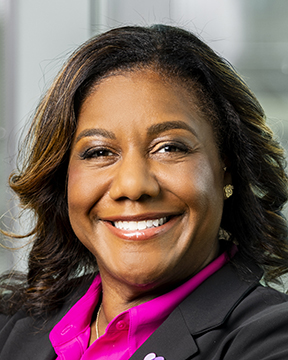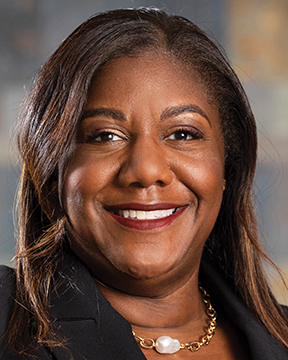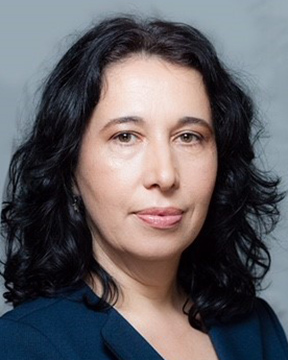
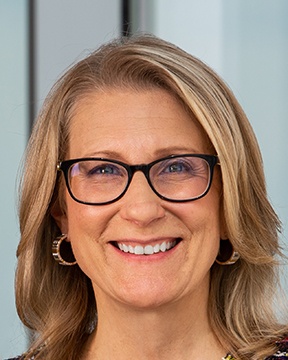
 Dena Jacquay
Chief Administrative Officer
Parkview Health
Dena Jacquay
Chief Administrative Officer
Parkview Health
Content sponsored by Parkview Health
Healthcare
Listening to build culture, celebrate teams
In this week’s Thought Leadership feature, Dena Jacquay, chief administrative officer at Parkview Health, explains the importance of building organizational culture by having ongoing and meaningful dialogue with team members.
We talk about culture often in leadership. It exists in every group, family and workplace, and is shaped by behaviors and attitudes. It’s the lens through which we view our work and relationships.
You may have heard the phrase, “culture eats strategy for breakfast.” That’s because we know that culture can make or break even the best laid plans. The good news is, we have the ability to cultivate a positive, thriving workplace culture.
So where do we start? The first step is simple, but in our busy schedules, easy to miss: listening.
A 2024 study by the MIT Sloan School of Management and the Cornell University School of Industrial and Labor Relations found that when employees believe their input genuinely influences decisions, organizations see higher job satisfaction and better overall employee well being. Listening is not symbolic, it’s operational.
Listening to build culture can – and should – look different for each organization. Here are three important considerations as many of us continue to build and nurture cultures in the workplace:
- Keep the feedback loop open. Ask questions with genuine intent to understand and provide space for honest feedback. Regular and consistent surveys, focus groups, Q&A forums, check-ins and stay interviews can be great tools for taking the pulse of an organization’s culture.
- Create opportunities for open dialogue and connection. Use the feedback you receive to tailor your resources to the unique needs of your team members and evolving workforce. Communication platforms can be an excellent avenue for engagement and connection, especially in a large organization.
- Ensure all voices are heard. Diverse perspectives allow us to identify gaps, unlock potential for new and creative solutions, and build trust. Co-worker resource groups are a great way to build support networks among team members with shared experiences (such as veterans, parents, those with religious affiliations, etc.).
Perhaps most important of all, remember to communicate to your team members how their voices are being heard and used to bring about change. Parkview Health has been on this journey for about 18 months, hosting regular “Listening Tour” sessions throughout our health system to hear about our co-workers’ best days at work and how we can create more of those days. By the end of 2026, we will have hosted over 200 of these listening sessions.
We ask for honest feedback about co-workers’ experiences working for Parkview, and many ideas have been implemented following tour stop discussions, such as flexible pay options and access to seasonal events.
Medical Staff Coordinator Diana Rang attended one of our sessions and summed up the goal nicely.
“I was very excited to attend. I could say whatever I felt needed to be said, and it made me feel like I really mattered. If we get up in the morning and we are excited to go to work, and we know that we matter – no matter our position – it is only going to benefit our patients.”
Honestly, Listening Tour days are my best days at work. Having open conversations with co-workers about their experiences, passion for their work and opportunities to help Parkview be better are so rewarding. Our co-workers’ voices are an essential piece to continuing to build on our strong culture.
In fact, the Listening Tour has done more than shape ideas and improvements; it has helped us better understand what truly matters in the everyday experiences of our co-workers and patients. That insight became one of many sources of inspiration for Parkview’s new brand campaign, which launched this week.
Set to the tune of Blink 182’s All the Small Things, the campaign celebrates the “human view” our co-workers bring to every interaction. Because what we heard again and again is that culture isn’t defined only by big initiatives. It’s built in the small things, like words of affirmation, moments of reassurance, a thoughtful gesture, or a follow-up call that says, “you matter.”
The campaign reflects what we’ve felt all along: That what sets Parkview apart is not just our solid foundation of quality clinical services. It’s our awareness of everything beyond the clinical. It reinforces our promise internally: when we listen, we learn what matters most to patients and their families, and we can better equip our teams to deliver the moments that build trust.
Because just as we’re proud of Parkview’s national recognition for quality, safety, service and culture, ¬we’re equally proud of the human view our teams bring to healthcare – the moments that remind people they are seen, heard and valued. The small things that bring our culture to life