Fed chair Warsh sidesteps Senate questions on inflation, AI, contact with Trump
Federal Reserve Chair Kevin Warsh on Wednesday navigated a series of thorny questions from senators without providing many specifics.
Read More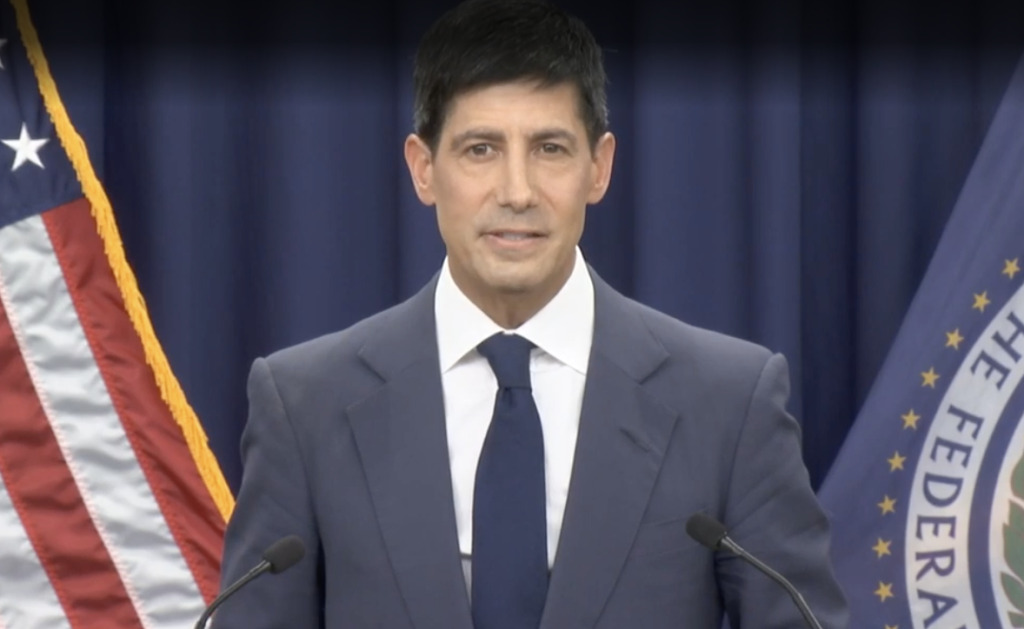
Federal Reserve Chair Kevin Warsh on Wednesday navigated a series of thorny questions from senators without providing many specifics.
Read More
Graham died Saturday night after what a preliminary report from the Washington, D.C., medical examiner said was a tear in his aorta.
Read More
U.S. Sen. Bernie Sanders, I-Vt., and Rep. Greg Casar, D-Texas, say the bill would protect taxpayers from being extorted by team owners for huge subsidies. The legislation would likely face an uphill climb in the Republican-controlled Congress.

The Senate voted Friday to fund most of the government through the end of September while giving Congress two weeks to debate new restrictions on federal immigration raids across the country.

Democrats had struck a rare deal with President Donald Trump on Thursday to separate funding for the Homeland Security Department from a broad government spending bill.
Democratic Sen. Kirsten Gillibrand of New York and Republican Sen. Ashley Moody of Florida on Thursday plan to introduce legislation that would bar lawmakers and their immediate family members from trading or owning individual stocks.
An all-night session to consider an endless stream of proposed amendments to the package was abruptly postponed, and it’s now scheduled to launch as soon as the Senate gavels open Monday.
GOP leaders are pushing to fast-track the bill for a vote by President Trump’s Fourth of July deadline.

Work in the Republican-led Senate to legitimize cryptocurrency by adding guardrails has drawn backing from some Democrats, underscoring growing support for the industry in the party.
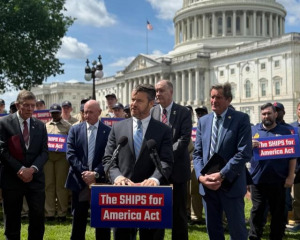
Young, R-Indiana, and fellow Sen. Mark Kelly, D-Arizona, reintroduced legislation to jumpstart the country’s “rusted” shipbuilding industry and increase onshore ship production that has largely shifted to China.
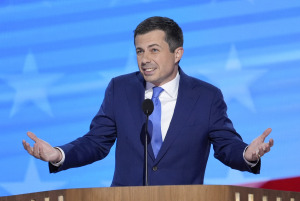
Prominent allies believe Buttigieg cannot feasibly do both, even as others raise the comparison to Barack Obama, who was elected president just four years after becoming a U.S. senator.
Two years after U.S. Sen. Todd Young, R-Ind., co-authored the CHIPS and Science Act, Indiana is reaping big rewards.
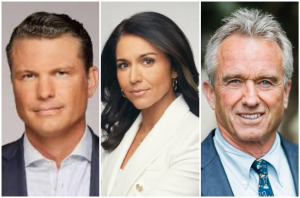
Republicans are under more pressure than usual as Trump and his allies make clear that they will confront senators who don’t fall in line.
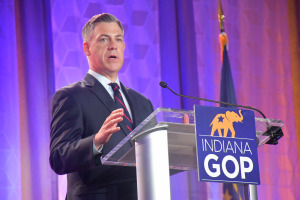
Banks will replace Sen. Mike Braun, who is running for governor, and will join fellow Republican Sen. Todd Young in representing Indiana in the U.S. Senate.
Indiana’s 3rd, 6th and 8th districts and one of Indiana’s Senate seats don’t have incumbents running this year. But none of the races have emerged as competitive.
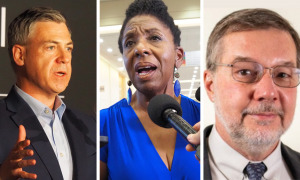
Democrat Dr. Valerie McCray and Libertarian Andrew Horning have agreed to a debate hosted by the Indiana Debate Commission next Tuesday. Republican Jim Banks, the frontrunner, has not indicated a willingness to join them.

The legislation would add the U.S. Secretary of Agriculture to the Committee on Foreign Investment in the United States, which can recommend that the president block or suspend any transactions with a worrisome impact on national security.
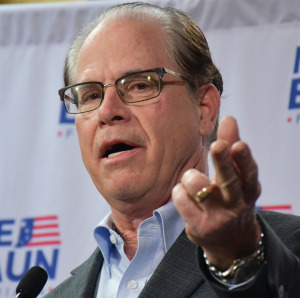
U.S. Sen. Mike Braun, who is the GOP nominee for Indiana governor, said the issue of high property taxes is probably the one he hears about the most.

Lawmakers are racing to beat fast-approaching government shutdown deadlines in March, but deep policy divisions may slow them down on everything from passenger rail funding to Internal Revenue Service resources to support for the World Health Organization.
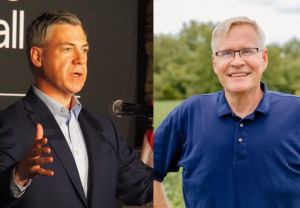
U.S. Senate candidate John Rust’s actual address is the latest point of contention raised by his challenger, GOP favorite U.S. Rep. Jim Banks.

The conservative Braun and the liberal Sanders might have more in common that meets the eye, with a growing list of issues they have both supported.
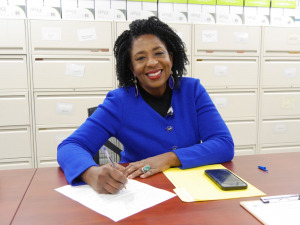
Valerie McCray, a clinical psychologist from Indianapolis, will seek the Democratic nomination for the U.S. Senate seat now held by Republican Mike Braun, who is running for governor.