
Welcome to IBJ's 2025 “Business Cares: Corporate Social Responsibility” microsite.
Corporate Social Responsibility is a benefit that gives your team a purpose beyond the bottom line while simultaneously helping the communities you operate in. On this year's microsite, you'll hear from some CSR-savvy locals who share their insights about CSR at its best and provide examples of how it's working in our community.
We start with an overview by Stephanie Fernhaber, a professor of entrepreneurship and associate dean for academic affairs within Founder's College at Butler University. Fernhaber makes the case that metrics such as hours volunteered and money donated to a cause aren't the true measure of a successful CSR program. The best programs create hope among those being helped and build hope among your employees. You'll also find:
- The story of a housing company that's building hope one dwelling unit and one family at a time.
- A look at how corporations can build win-win partnerships with nonprofits that are doing good work in our community.
- An example of how one local financial institution is building those partnerships guided by its Five Pillars of Community Impact.
Thanks to the companies and organizations listed below that sponsored this Business Cares section of IBJ. We hope you'll support our sponsors and consider how CSR strategies can simultaneously help your business and the communities you call home.
Sincerely,

Nate Feltman
Publisher & CEO
The Hope Imperative: Reframing Corporate Social Responsibility
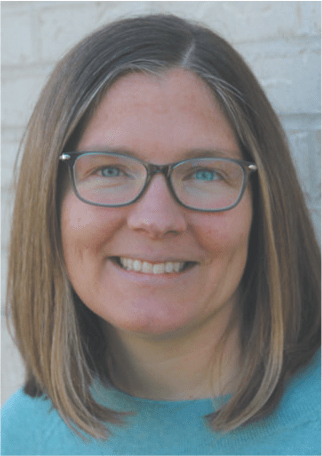
By Stephanie Fernhaber
Corporate Social Responsibility, often referred to as CSR, has long been part of the DNA of the Indianapolis business community. Companies donate generously, sponsor community events, and curate volunteer opportunities. In 2024, Elevance Health employees contributed more than 280,000 volunteer hours alone, while CNO Financial Group reported $2.7 million in community investment. United Way of Central Indiana, supported by local companies and individual donors across the region, also directed $59 million to community organizations. Fourteen Indiana companies, among them Corteva Agriscience, Allison Transmission, and Simon Property Group, were recognized on Newsweek's list of America's Most Responsible Companies.
These efforts matter. Yet as Indianapolis faces increasingly complex challenges—from housing and workforce readiness to mental health and neighborhood revitalization—it's worth asking whether we are measuring what truly matters.
What if CSR were not only about what companies give, but also about what they help build in themselves and in others? From a hope perspective, the key question becomes: Are our efforts helping people believe in and work toward a better future?
Psychologist Charles Snyder defined hope as the belief that the future can be better and that people have both the will and the means to make it so. His framework of goals, pathways, and agency offers a practical way for businesses to think differently about impact.
Rather than measuring output alone, companies can assess whether they are strengthening people's goals, pathways to achieve them, and confidence to do so. In a time of uncertainty, cultivating hope is not optional. It's an imperative for how companies lead, measure impact, and sustain communities.
Seeing Hope in Action
I've seen that framework come alive in unexpected places.
At Founder's College, Butler University's newly launched two-year associate degree program focused on career-connected learning, I watch students discovering their goals and building confidence as they take tangible steps toward new futures. I sense that same energy at P30, a coworking and community hub on the Far Eastside working to disrupt inequality, ignite hope, and launch prosperity by incubating and growing 300 businesses. And on Tuesday evenings, when I teach entrepreneurship in the Indiana Women's Prison, I am continually inspired by the women reimagining what's possible for their lives after release.
Though these spaces could not be more different, they share a common thread: people believing that change is possible and taking steps toward it. That same dynamic can exist inside any organization. Hope doesn't belong only to classrooms, coworking spaces, or reentry programs. It emerges wherever people set goals, identify paths, and feel equipped to move forward. For companies, that means treating hope not as sentiment, but as strategy.
Cultivating Hope Within Companies
Hope begins inside an organization. Companies are not only economic engines but are also communities where people bring their goals, challenges, and personal circumstances, too. While day-to-day responsibilities matter, employees also seek meaning, growth, and stability. These are all elements that shape their overall sense of hope.
Businesses can strengthen hope among employees by setting clear, purpose-driven goals that tie their work to the organization's mission while recognizing the importance of their personal goals. They can create pathways through professional development, tuition assistance, or flexible scheduling that make progress feel attainable. And they can build agency by fostering trust and participation while creating a workplace where people feel connected, collaborate easily, and share a common purpose.
When employees experience hope at work, they become more engaged, creative, and resilient. And when companies intentionally cultivate hope within their people, they fulfill a deeper responsibility of leadership: helping individuals believe in and move toward a better future.
Extending Hope to the Community
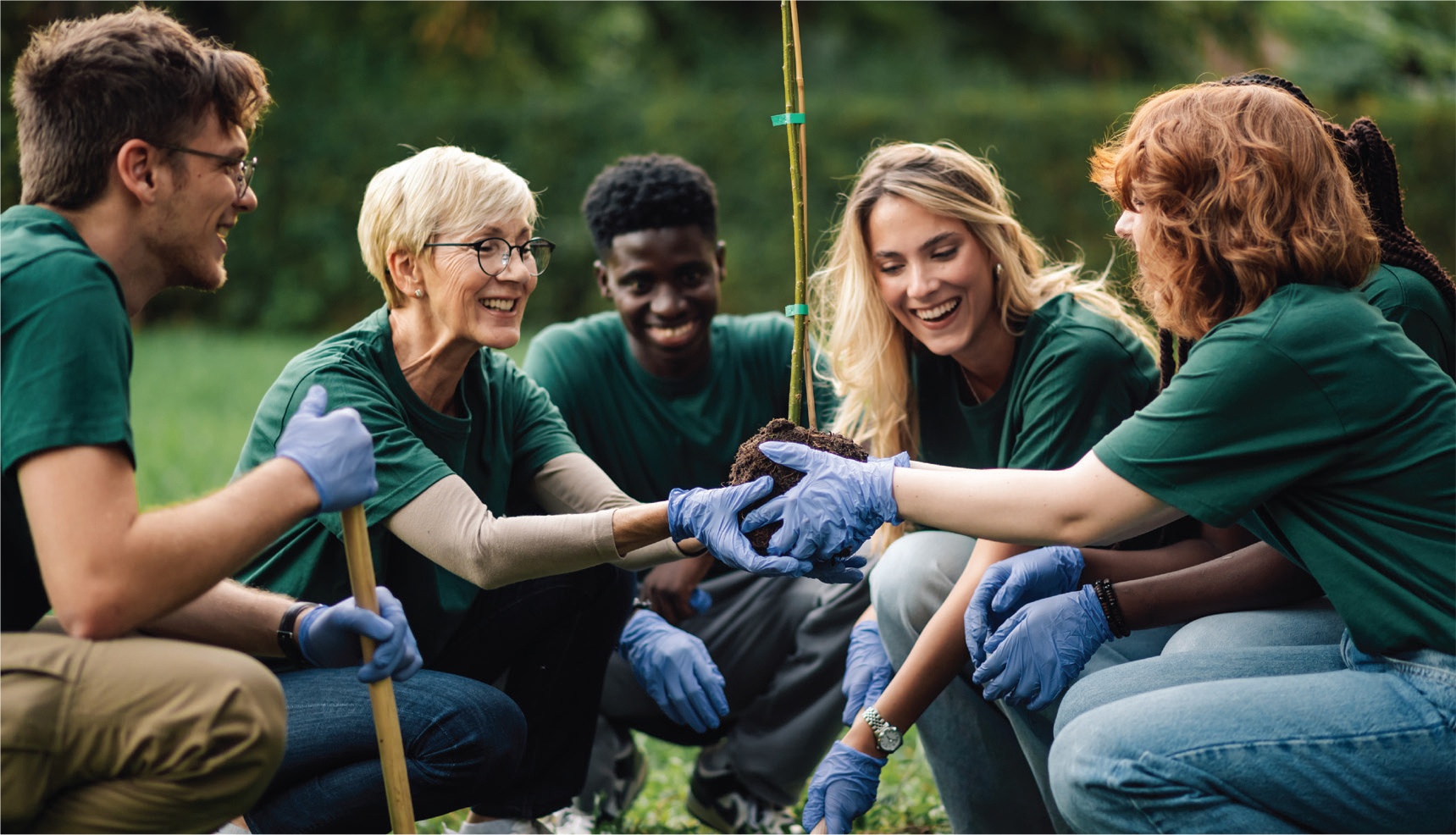
Hope should extend beyond the workplace. Indianapolis has a long tradition of collaboration between business and community organizations. A hope-based perspective invites companies to deepen that work by co-creating, not just contributing.
This begins with clarifying shared goals through genuine listening and collaboration with residents and local organizations. It continues by creating pathways that leverage company resources, relationships, and access to open new opportunities that make sense for the community. Finally, it involves strengthening agency by partnering to build confidence, develop leadership, and support active participation.
By investing in goals, pathways, and agency, companies move beyond charity toward lasting capacity building. Hope becomes both a community and an economic multiplier: as people grow more confident and connected, they create environments where businesses and neighborhoods thrive together.
Making Hope a Strategic Foundation for Indianapolis
Hope is more than optimism. It is a framework for action. Research shows that hopeful people think differently: they set clearer goals, find multiple routes forward, and persist longer through setbacks. Those are precisely the qualities Indianapolis needs from its companies and communities in uncertain times.
Reframing corporate social responsibility around hope doesn't mean abandoning metrics; it means expanding them. Alongside dollars donated and hours volunteered, companies might also ask:
- Are our efforts helping people define and pursue their own goals?
- Are we creating visible pathways for mobility or progress?
- Are we fostering agency through trust, participation, and skill building?
Hope reframes CSR from an external obligation to an internal strength—an imperative that fuels innovation, deepens relationships, and sustains community well-being. If Indianapolis embraces this approach, CSR could evolve from a tradition of giving back into a shared strategy for building a more resilient, connected, and hope-filled city!
Fernhaber is a professor of entrepreneurship and associate dean for academic affairs within Founder's College at Butler University.
Restoring Hope, One Home—and One Life—at a Time
By Ethan Fernhaber
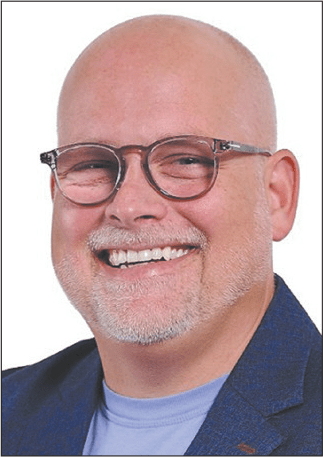
Restoring Hope by Creating and Transforming Communities” isn't just a motto printed on the back of our business cards, it is lived out in the work we do each day. For me, being a restorer of hope is both an assignment and an identity. Vision and faith are gifts I've been given, or maybe as a friend of mine put it “you are dumb enough to believe this can actually happen.”
Over the years, my teams and I have acquired, renovated, and/or created thousands of dwelling units across Indiana. Today, Renewing Management operates 30 apartment communities from Evansville to Fort Wayne. A passion for loving people and solving problems inspired the creation of Volumod, a modular-home manufacturing facility at 30th Street and Post Road, and Helix, our development company. Together, our goal is simple but ambitious: to help reduce the housing crisis by building 100 new communities across Indiana by 2040.
Conception
This story began years ago with our first contractor, “Larry,” in Owensburg, Indiana. Larry was talented—he renovated homes with care and craftsmanship—but he would sometimes disappear between payments. When I'd track him down, he'd point to external hardships: housing, transportation, or dental issues.
We tried to help. We offered him and his son a home for lease. I went to court to help him reinstate his driver's license. We even contributed toward new dentures. But eventually, I learned a hard truth: the real battle wasn't circumstantial—it was addiction.
That experience taught me that I don't have the power to change people. Healing begins in the heart and is accelerated in community. We have to begin with the question: “Do you want to get well?” When the answer is yes, we can work together to remove four major barriers—housing, employment, transportation, and childcare.
Building an Ecosystem of Renewal
At Volumod, located on Indianapolis's far east side, that ecosystem has come to life. About 25 percent of our workforce includes individuals who were formerly incarcerated, addicted, or homeless. Inside our “house factory,” we've cultivated a culture of recovery where hope is celebrated, and shame is cast out.
We have knocked down barriers by acquiring and renovating an apartment complex so that our employees can walk to work. We have a culinary entrepreneur who feeds our employees on a regular basis, and our community claps and cheers when ankle bracelets are removed or the weight belt is handed off from one champion to another.
Each day, about 100 people come together to build homes—and in the process, they're creating their own stories of transformation. Currently, we're producing two homes per day, with plans to scale to six in the years to come. The lives changed through this work inspire me daily and keep me moving forward, even through adversity.
One of my proudest moments came when Gov. Mike Braun visited our facility. That same morning, I discovered that one of our employees—who lives at Wheeler Mission—had started a voluntary prayer meeting at 6:30 a.m. every Wednesday. It was a reminder that hope multiplies when it's shared.
A Vision for Our City and State
If we zoom out, we see that Indiana is one big community under a shared roof. When one person in our “house” is sick, the whole home feels it. Ignoring the problem doesn't heal it.
So, how might Indianapolis and the State of Indiana develop impact-driven housing models that truly change the statistics?
There's already momentum. A “tribe” of redemptive real-estate entrepreneurs meets monthly at Polk Stables in Indianapolis, where many of the city's most intentional, and innovative developers gather. I believe we have enough creativity, capital, and courage to ensure that every Hoosier has a drywalled box to sleep in.
The vacant lots are the broken teeth of our city, and it is my hope that new incremental real estate developers will use our product to create beautiful structures on those canvases. We are now on our fourth cohort of emerging entrepreneurs progressing through the real estate development bootcamp. Each cohort ends with an experiential activity where real legal agreements are drawn up and real dollars invested are distributed.
I'm especially grateful for the work of Michele Shelburne and her team at Sanctuary Indy, who are building the city's first and second tiny-home villages for chronically homeless residents. I'll never forget meeting “Barbara”—on an Indianapolis freeway exit ramp—beaming with excitement as she told me she'd soon move into Circle City Village. She didn't know that the home she was moving into had been built by Volumod two years earlier, in faith.
If you'd like to learn more about me or this movement, visit restorehopeindiana.com.
Fernhaber is the founder of Restore HOPE Indiana.
Banking on Hope: How Financial Institutions Can Empower Communities Through Strategic Nonprofit Partnerships
By Jill Robisch
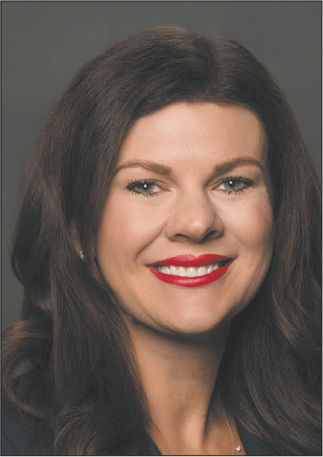
In banking, “hope” isn't usually the first word that comes to mind. We're often associated with numbers, risk assessments, and balance sheets. But at First Merchants, we believe hope is a powerful currency—one that can be invested in communities through intentional, strategic partnerships with nonprofit organizations.
As director of nonprofit services, I'm honored to be part of our expanded commitment to community empowerment. My role reflects the bank's investment in supporting nonprofits—not just with banking solutions, but by working alongside organizations and our Corporate Social Responsibility team to address unique challenges and opportunities. I am dedicated to deepening our engagement, offering tailored financial tools, expert guidance, and innovative programs to help organizations thrive. Together, we empower nonprofits in meaningful ways, ensuring they have the resources and support needed to create lasting impact.
Our journey in CSR, led by Scott McKee, has evolved into a purpose-driven model anchored by our five Pillars of Community Impact. These pillars guide how we engage, invest, and empower, ensuring our efforts are strategic and rooted in community needs.
Community Engagement is our first pillar. By listening to nonprofit partners—experts in food insecurity, housing, workforce development, and mental health—we identify shared goals and co-create sustainable solutions. These partnerships are transformational, not transactional.
The next two CSR pillars are Access to Personal and Business Banking and Education for Financial Wellness. For example, our work with organizations focused on financial literacy and empowerment has helped individuals build credit, understand budgeting, and prepare for homeownership. Led by Sheryl Taylor in Community Home Lending and Alfonso Perez Sotomayor in Community Business Lending, these teams collaborate with nonprofits to deliver tailored financial solutions that empower individuals and strengthen communities. These aren't just financial milestones—they're moments of hope, representing the belief that a better future is possible.
Consider Ms. Thomas, who had lived in her home for 10 years. When her rent increased to $1,350, it exceeded her Social Security income and came with other issues like mail theft and parking problems. She began searching for a home but faced repeated rejections from lenders, which she believed was due to her age.
Ms. Thomas turned to First Merchants, which helped her close on a fully renovated home within her price range thanks to several grants and down payment assistance programs. Her monthly payment is now less than $600, and she paid only $52 at closing.
Through our Reinvestment for Community Empowerment pillar, we actively address housing equity. In Fort Wayne, we invested in Village Premier, one of Indiana's largest affordable housing developments, creating over 270 affordable housing units. This initiative reflects our belief that everyone deserves the safety and security of a home. By partnering with local organizations, we're helping close the housing gap and build stronger, more resilient neighborhoods.
Strategic CSR can catalyze broader change. Our final pillar is Solutions with Purpose. Our Next Horizon Mortgage Program is designed to address historical inequities in homeownership. It offers down-payment assistance, below-market interest rates, and alternative credit pathways—making homeownership accessible to first-time buyers. This is more than a product; it's a pathway to generational equity.
Internally, this approach has reshaped our culture. Employees across departments participate in volunteer initiatives, receive a full day of pay for volunteering, and join mentorship programs and nonprofit advisory boards. In 2024 alone, our team served over 13,000 volunteer hours, reaching more than 645 organizations. These opportunities foster agency and purpose, reinforcing that our work extends beyond our branches.
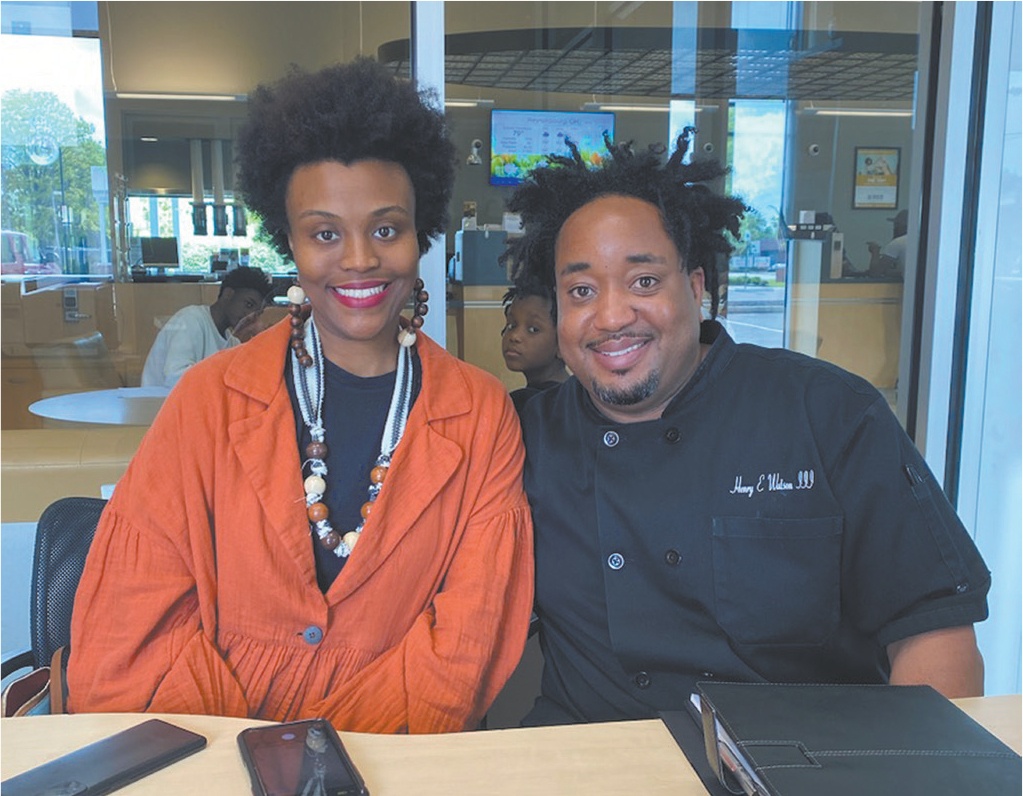
We also support small business dreams. We recently helped Chef Henry Watson launch his catering business and food truck through a community lending coalition. His story is one of perseverance, family pride, and the beginning of generational wealth. By investing in entrepreneurs like Chef Henry, we're fueling economic mobility and community vitality.
Our Pillars of Community Impact create lasting change in partnership with you. To recap, First Merchants C.A.R.E.S pillars are:
- Community Engagement
- Access to Personal and Business Banking
- Reinvestment for Community Empowerment
- Education for Financial Wellness
- Solutions with Purpose
Looking ahead, I am excited to support nonprofits through First Merchants Nonprofit Services division. In 2026, we will launch the First Merchants Nonprofit Training Series—a complimentary, four-part program for nonprofit and community leaders. This initiative will offer practical guidance on financial management, strategic planning, fundraising, and board development. It's another way we're living out our promise of helping people prosper.
By equipping nonprofit leaders with the tools and confidence they need to thrive, we're fostering deeper collaboration between the banking and nonprofit sectors and investing in the long-term health of our communities.
At First Merchants, we're not just banking, we're building futures. Through our C.A.R.E.S. framework, we're investing in people, purpose, and possibility. When we bank on hope, we believe it's the most valuable investment we can make.
Robisch is director of nonprofit services for First Merchants Bank.
Why Strategic Nonprofit Partnerships Are Smart Business
By Erin Hedges
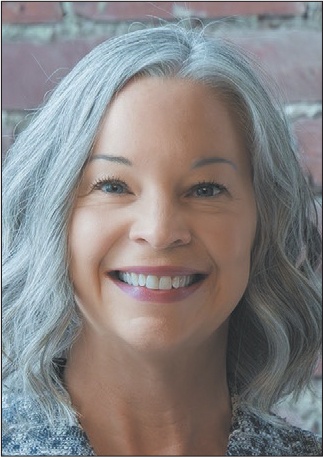
In central Indiana, corporate social responsibility is no longer just a philanthropic gesture—it's a strategic imperative. From Fishers to Fountain Square, companies are discovering that aligning with nonprofit organizations can drive employee engagement, strengthen brand reputation, and create measurable community impact.
And the data backs it up.
According to Giving USA 2025, corporate giving surged by 9.1% in 2024, reaching $44.4 billion—the fastest-growing source of charitable giving. This growth outpaced both individual giving (8.2%) and foundation giving (2.4%), signaling a shift in how companies are investing in social impact.
This trend is reinforced by the 2025 CSR Insights Report from ACCP and Blackbaud, which found that:
- 39% of CSR teams saw budget increases, especially in employee engagement.
- 52% of CSR professionals report stronger internal visibility and influence.
- Companies are increasingly aligning cause areas with business priorities, not just brand identity.
Advisory, tax, and audit firm Katz, Sapper & Miller, headquartered here in Indianapolis, has amped up its CSR efforts in recent years, dramatically increasing the value of in-kind services provided to nonprofit clients, the number of nonprofit boards served by KSM employees, charitable dollars distributed, number of employee volunteers and volunteer hours, and employee matching gifts.
With CSR rooted deeply in KSM's corporate culture, CEO & President Tim Cook notes, “Making an impact in our communities isn't a side effort; it's core to who we are at KSM. Our community engagement efforts strengthen the places where we live and work, deepen our client relationships, and help us attract and retain the kind of talent and clients who share our values.”

There are growing opportunities for businesses to build strategic partnerships with nonprofits that are already driving change in our communities. To maximize impact and minimize risk, companies should approach nonprofit collaboration with the same strategic rigor they apply to business development.
Ready to up your CSR game but not sure where to start? Here are four key steps to help your business build higher-impact nonprofit partnerships:
-
Know Your Brand and Find a Nonprofit That Matches It
Just as nonprofits must be clear on their mission, businesses should seek partners whose values and community impact align with their brand. Whether your company is focused on workforce development, environmental sustainability, or youth empowerment, there's likely a nonprofit in the region already doing exceptional work in that space.
Ask yourself:
- What community issues matter most to our employees and customers?
- Which nonprofits are already trusted in those areas?
- How could a partnership amplify our brand and deepen our local roots?
-
Build Relationships Before You Build Programs
A one-time sponsorship or donation is a start—but true CSR impact comes from long-term relationships. Businesses should take time to understand a nonprofit's goals, challenges, and capacity. Likewise, nonprofits need to understand what your company hopes to gain: employee engagement, brand visibility, or innovation opportunities.
Start with a conversation:
- Why is CSR important to your company right now?
- What kind of impact are you hoping to make?
- What would a successful partnership look like for both sides?
-
Co-Create, Don't Just Contribute
The best partnerships are co-designed. Instead of offering a fixed menu of sponsorship levels, invite nonprofits to collaborate on initiatives that meet shared goals. For example, a logistics company might help a food pantry expand its delivery network, or a tech firm could co-host digital literacy workshops with a youth-serving nonprofit.
Think creatively:
- Can your team volunteer their expertise?
- Could you offer space, transportation, or marketing support?
- Is there a way to pilot a new program together?
-
Know Your Value and Respect Theirs
CSR partnerships should be mutually beneficial. Nonprofits bring deep community knowledge, trusted relationships, and mission-driven impact. Businesses bring resources, visibility, and strategic thinking. When both sides understand and respect what the other offers, the partnership thrives.
A few tips:
- Share data on how CSR boosts recruitment, retention, and reputation.
- Be transparent about what you hope to gain and what you're willing to give.
- Walk away from partnerships that don't align with your goals or values.
The Bottom Line for Central Indiana Businesses
CSR is a strategic investment in your company's future and the health of our region. By partnering with nonprofits that share your vision, you can create meaningful impact for your business, your employees, and your community.
Hedges is president of Hedges, an Indiana-based social impact consulting firm.
Invest in your community in a way that aligns with your values
By Adam Velazquez
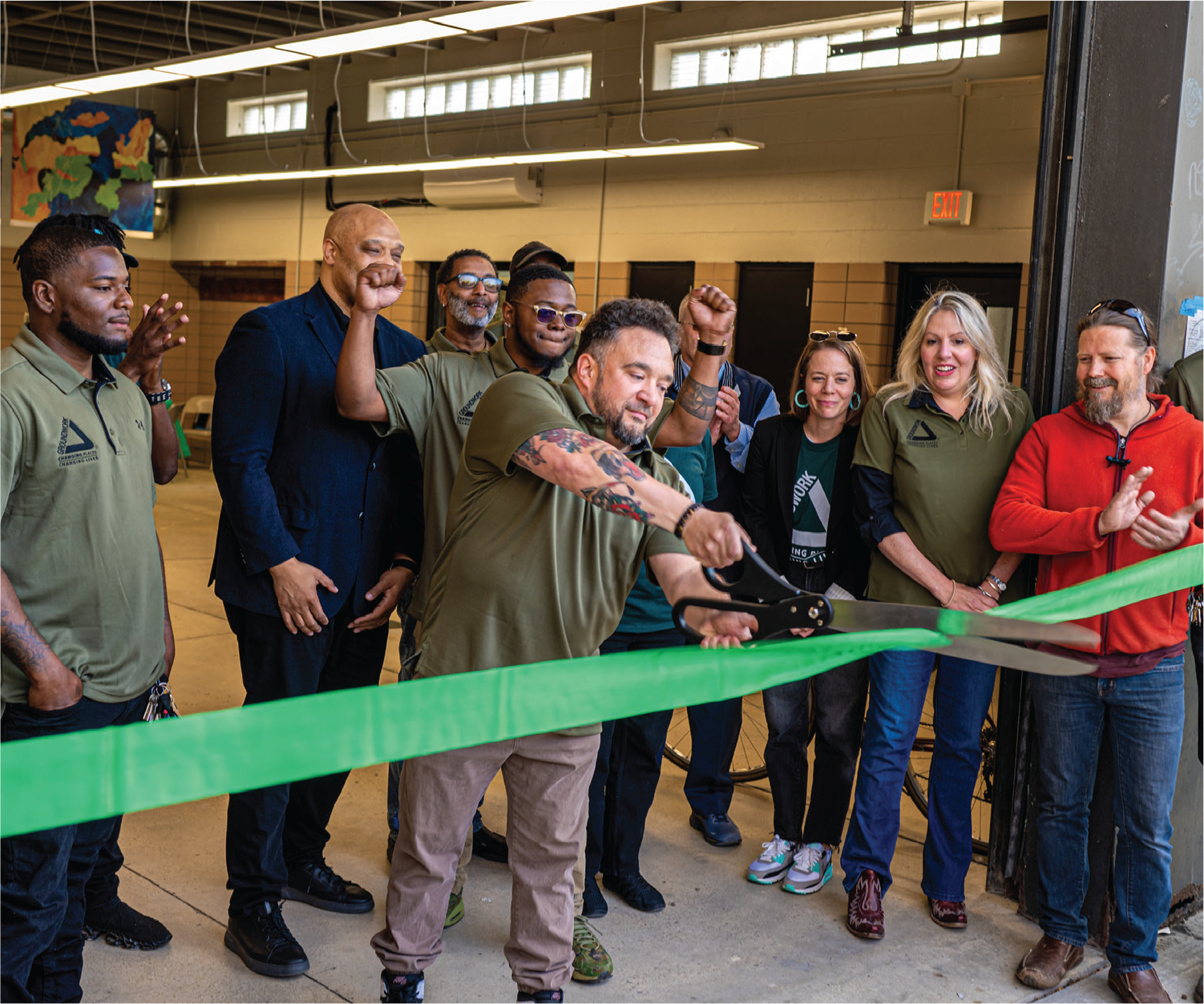
In today's business landscape, Corporate Social Responsibility isn't a luxury–it's a necessity. Beyond the bottom line, companies are increasingly recognizing the importance of investing in their communities and supporting causes that align with their values.
Community outreach and volunteering are integral to CSR, fostering stronger relationships with local organizations and building goodwill among customers, employees, and the public.
One organization leading the charge in Indianapolis is Groundwork Indy, a nonprofit dedicated to environmental justice, green-collar vocational training, and youth empowerment. Groundwork Indy's mission is to engage young people ages 14-25 in meaningful work that addresses the environmental and social challenges facing our community. Through green-collar job training, trail building, urban farming, and other environmental initiatives, Groundwork Indy is working to create a healthier, more resilient Indianapolis.
Groundwork Indy's work is amplified through partnerships with businesses that understand the value of giving back. Companies like IU Health, Everwise Credit Union, Clif Bar, and Cummins have become essential partners, supporting Groundwork Indy's initiatives not only financially but also by mobilizing their employees to volunteer.
These companies have embraced the idea that when businesses actively engage with their communities, they not only build a better society but also strengthen their own organizations.
Why community outreach matters
Community outreach allows businesses to build a sense of trust and loyalty with the people they serve. Studies show that consumers are more likely to support companies that invest in causes they care about. For employees, volunteering provides an opportunity to step away from the office, make a positive impact, and connect with colleagues in a meaningful way. It's an opportunity to be part of something bigger than themselves, which can boost morale, improve job satisfaction, and foster a culture of purpose.
Volunteering can also provide employees with new skills and perspectives. For instance, an employee who spends a day removing invasive species or planting trees may come away with a new appreciation for environmental stewardship and teamwork. These hands-on experiences can help employees grow personally and professionally, enhancing their problem-solving skills, resilience, and adaptability.
The impact of corporate partnerships
For Groundwork Indy, partnerships with businesses are essential to fulfilling our mission. We rely on the financial support, expertise, and hands-on assistance of our partners to tackle the environmental challenges facing Indianapolis.
IU Health's focus on health and wellness make it a natural partner for Groundwork Indy. IU Health employees have joined us on multiple service days, contributing their time and energy to projects like trail building, invasive species removal, and community garden maintenance. This doesn't just benefit Groundwork Indy; it also brings IU Health's employees closer to the communities they serve, fostering a deeper connection to Indianapolis and its people.
Everwise Credit Union has also been a crucial partner, supporting Groundwork Indy's mission through both financial donations and hands-on volunteering. Everwise team members have participated in tree planting and urban farming initiatives, helping us create green spaces in neighborhoods that need them most.
Through our partnership with Clif Bar, a company renowned for its commitment to sustainability, Clif Bar employees have helped with projects focused on environmental restoration and conservation. Our partnership reinforced the company's dedication to environmental stewardship in a tangible way.
CSR's role in community transformation
The impact of CSR goes beyond the immediate benefits for individual companies and their employees. When businesses commit to social responsibility, they play a direct role in building a more equitable and sustainable society. By partnering with organizations like Groundwork Indy, businesses can address pressing environmental and social issues, creating positive ripple effects that touch countless lives.
As more companies embrace the values of CSR, organizations like Groundwork Indy can achieve even more, cultivating an environment where businesses, nonprofits, and communities work hand-in-hand to drive change.
The importance of community outreach and volunteering cannot be overstated. When companies invest in causes that align with their values, they contribute to the health and vibrancy of the communities they serve.
Velazquez is executive director of Groundwork Indy. For more information about the organization and to learn how your organization can partner with Groundwork Indy, visit groundworkindy.org.