Indy’s WNBA All-Star Host Committee invests $1M in youth empowerment programming, projects
The city’s WNBA All-Star Host Committee has unveiled several Legacy Projects, aimed at improving the lives of Hoosier youth and families.
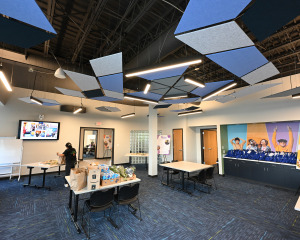
The city’s WNBA All-Star Host Committee has unveiled several Legacy Projects, aimed at improving the lives of Hoosier youth and families.
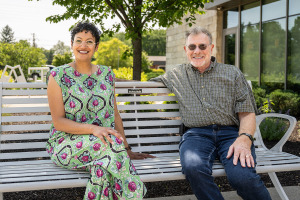
A community-led effort hopes to establish Crooked Creek Cultural Campus near the northwest intersection of West 62nd Street and Michigan Road, with a 200-seat theater and community center nestled in eight wooded acres.
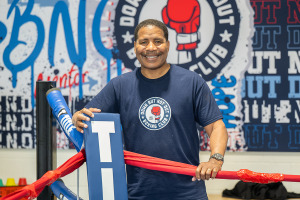
The 1979 Shortridge High graduate fell in with the wrong crowd and eventually landed in prison. He found redemption there by embracing boxing and faith, and is now helping others through those same tools.
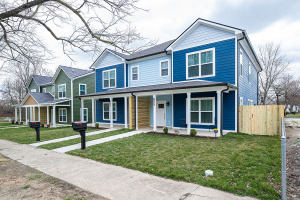
Frozen grants, delayed allocations and terminated funds are all examples of what Indianapolis housing providers and builders face as President Donald Trump’s administration slashes federal programs and jobs.
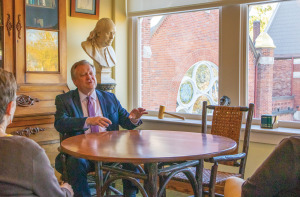
The outgoing president of Indiana Landmarks discusses the value of historic preservation, its influence on Indianapolis, the projects that stand out over four decades and the one that got away.
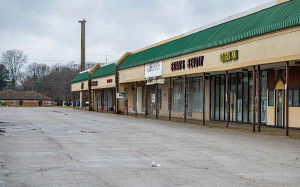
The neighborhood proposal comes as the group pushes New York-based Skysoar Capital Partners to reconsider its plan for the nearly abandoned site.
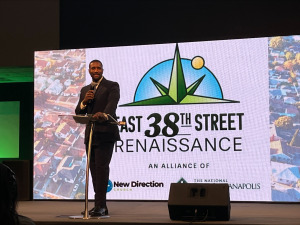
The National Bank of Indianapolis and New Direction Church announced a partnership that’s designed to support economic development and access to financial services along the East 38th Street corridor.

The Department of Metropolitan Development quietly withdrew its offer to buy the building over the summer after determining needed improvements would make make the project a larger—and more expensive—challenge than anticipated.
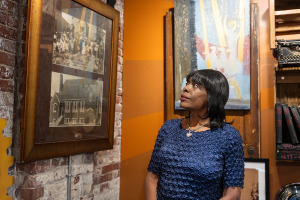
By showcasing artifacts and stories shared by longtime residents of Martindale-Brightwood, the Polklore Micro-Museum is an experiment in what can be gained by preserving a neighborhood’s cultural heritage.
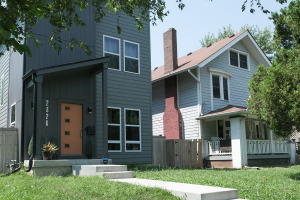
Reagan Park could soon benefit from an economic development tool that would capture the tax dollars from new developments to benefit existing residents and potentially help them stay in their homes.
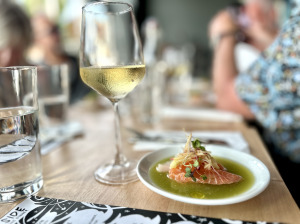
My Garfield Park neighborhood is growing and changing, thanks in part to entrepreneurs including Josh Haines and Phil Kirk who are taking a chance on bringing retail and restaurants to the area’s commercial strip.
Three local legal aid organizations received grants ranging from $2.5 million to $7.5 million.
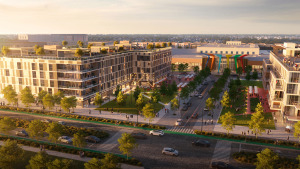
Fabio De la Cruz said if his vision is realized and partners participate as he expects, the total investment in the area could reach $700 million to $1 billion.
Together, the projects are expected to result in nearly 2,500 new housing units in the state.

City officials have hired an out-of-state firm to create a development plan for the Indiana Avenue corridor, a part of downtown that has seen neighbors push back on recent project proposals.
A group of Black civil rights organizations is amping up its call for racial equity to be taken into account as state and city leaders decide where to place chargers needed to support the growing number of electric vehicles.
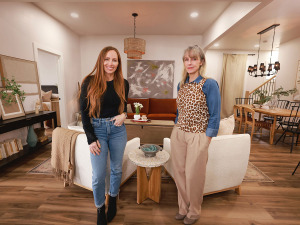
The HGTV home-improvement show is airing its last season, and Mina Starsiak Hawk says she’s not sure of her next steps. But one thing seems likely: She won’t be redeveloping or building houses regularly in Indianapolis anymore.

NXG Youth Motorsports has signed an option to purchase a 2.2-acre, city-owned plot just west of the former Central State Hospital site on the west side of Indianapolis.
The Indianapolis Department of Metropolitan Development has started soliciting ideas for what could be done with the site of the former John Marshall High School, which it purchased from Indianapolis Public Schools for $725,000 last month.
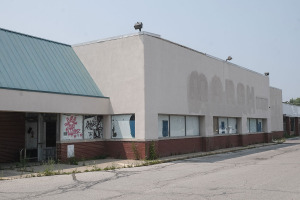
The strip mall was built in 1952 and for years served as a primary retail hub for the neighborhood.