Indiana embraces Swiss-inspired apprenticeship model
Launched last month in time for the 2026-2027 school year, the Indiana Career Apprenticeship Pathway, or INCAP, has placed 50 Hoosier sophomores and juniors at 25 employer locations.
Read More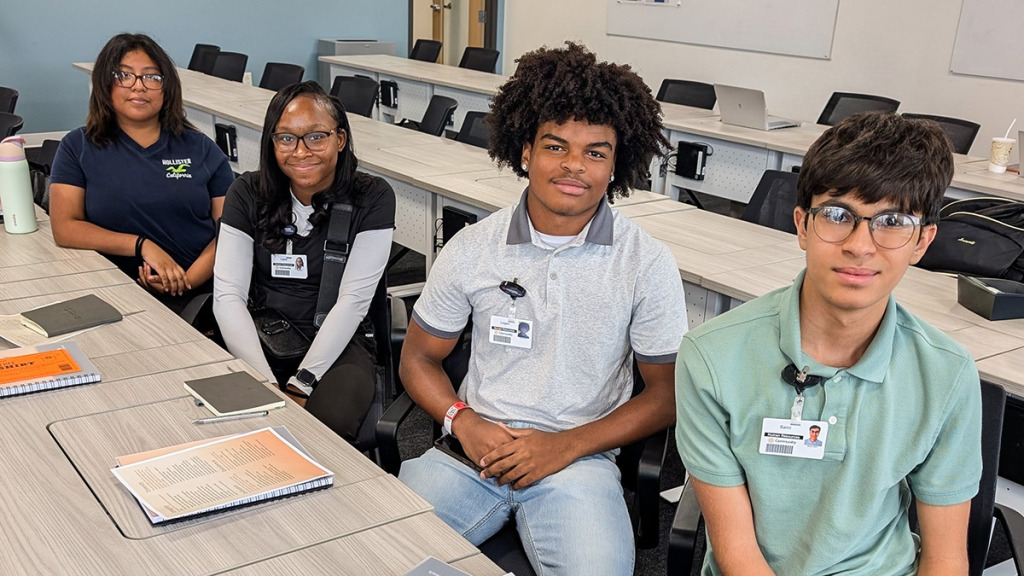
Launched last month in time for the 2026-2027 school year, the Indiana Career Apprenticeship Pathway, or INCAP, has placed 50 Hoosier sophomores and juniors at 25 employer locations.
Read More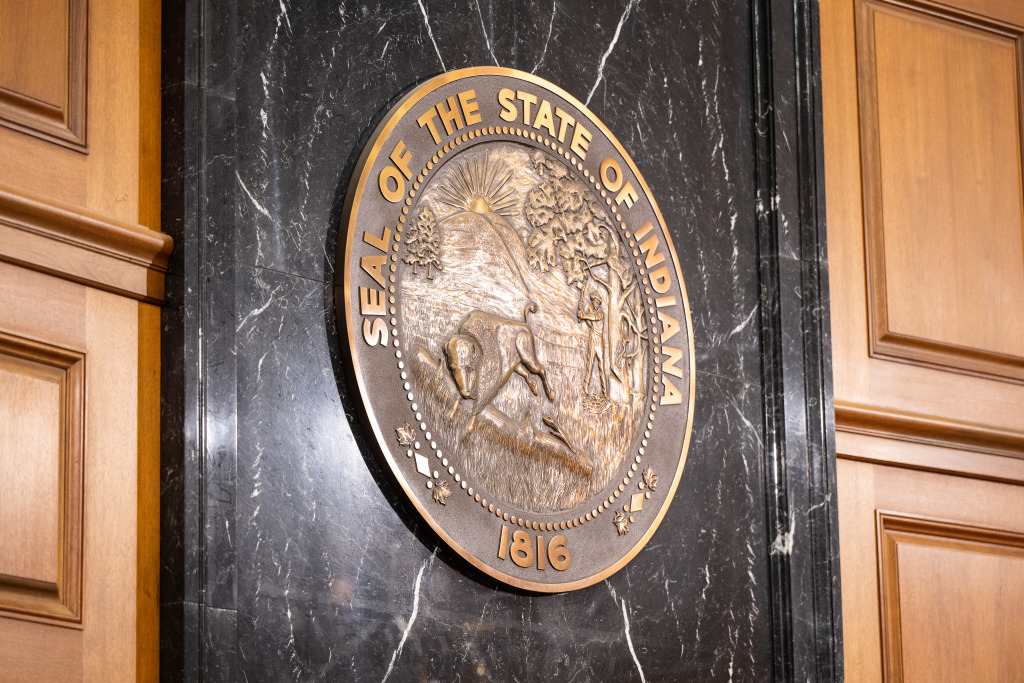
Contractors would be prohibited from employing people that don’t pass E-Verify muster, although workers would be able to join the project later if they get a valid number.
Read More
The Indiana Department of Education unveiled its revamped proposal Wednesday morning, simplifying the options and addressing the concerns of skeptical Hoosier university leaders who said an earlier iteration wouldn’t allow Indiana high school grads to meet college admission requirements.

CEO Michael Sievert said the layoffs would come over the next five weeks and affect T-Mobile workers across the country.

Younger workers and Blacks and Hispanics consider themselves most exposed, while baby boomers and white Americans are less concerned, based on the survey.
Since 2019, the proportion of retirees in the U.S. population has risen from 18% to nearly 20%—equivalent to about 3.5 million fewer workers. And the trend seems sure to accelerate.
The average U.S. workweek has dropped, according to new research. That’s enabled some Americans to emulate their European counterparts and spend more time on leisure and other activities.
Shorthanded veterinary clinics are being slammed by the high number of pets acquired during the pandemic and a worsening shortage of workers, from support staff to veterinarians themselves.

With the county experiencing the second-highest growth rate in Indiana, builders and apartment developers have not been able to meet the increasing demand for affordable and workforce housing.

On the group’s list of recommendations are creating an Indiana Talent Agency, more flexibility in high school diplomas, removal of barriers for child care workers, and incentives for colleges to funnel students into STEM fields.

Two years after COVID-19 shutdowns, companies, students and professionals are still deciphering how to move forward with workplace changes, including the internship experience.
With the unemployment rate near its lowest level in five decades, even some of the staunchest critics of work-from-home have changed their tune to attract and retain employees.

Rather than hiring full-time executives, companies are increasingly likely to turn to a fractional executive—someone who serves part time, typically on contract rather than as an employee.

One piece of an extensive piece of legislation to restructure the incentive toolkit of the Indiana Economic Development Corp. would create a statewide remote-worker grant program.
Fewer students have been entering the accounting profession, and a salary gap between accounting and other financial professions means those accounting students might be lured to a different field.
The two highest-paid executives departed the powerful education not-for-profit in recent months, an indication the Indianapolis-based organization is rethinking aspects of its strategy.

As some workforces face at least several more months of working from home, burnout threatens to become a dire business problem. But is this as good as it’s going to get? And what can we do to improve Zoom calls?