Nursing home operators in the state say they haven’t been paid for their work since the state transitioned to managed care for certain Medicaid services on July 1.
The Family and Social Services Administration announced Monday it will not enforce collections of premium-like payments in its Healthy Indiana Plan insurance program, a decision it made after a federal judge struck down the state’s requirement that users contribute to so-called POWER Accounts.
The move comes a year after the Indiana General Assembly passed a law banning noncompete clauses in new contracts for physicians practicing primary care. IU Health said it decided to extend the same benefit to physicians who are currently employed.
A high-ranking senator accused the state’s leading hospital lobbying organization of being “responsible for the gradual breakdown of trust” between lawmakers and hospital systems after the most recent legislative session.
The Indiana Business Health Collaborative is a unique new partnership among Hoosier employers, all parts of the health care industry and other stakeholders interested in working together to strengthen the state of health care in Indiana through market-based, patient-centered solutions.
Remodel Health helps organizations reduce their health care costs by switching from group insurance plans to an approach in which each employee has an individual plan. The company got its start working with churches and Christian schools.
An improving economy has contributed to changed projected depletion dates, according to the annual Social Security and Medicare trustees report Monday. Still, officials warned that policy changes are needed lest the programs become unable to pay full benefits to retiring Americans.
The Carmel medical group is gaining a reputation as a training and education center. It holds courses for high school and college students in anatomy as well as surgeons going out on their own after residencies and fellowships.
The U.S. Chamber of Commerce and other business groups on Wednesday sued the Federal Trade Commission over a new rule that would make most noncompete agreements illegal, setting up a potential showdown over the scope of the agency’s authority.
In the past five years, the nation’s largest Catholic health system has unloaded more than a dozen hospitals across the country, from New York to Alabama, as it restructures amid a growing tide of red ink.
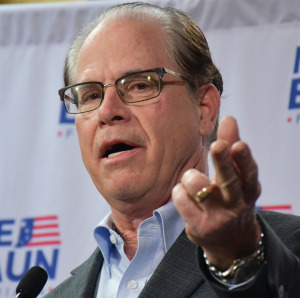
In Washington, U.S. Sen. Mike Braun has authored legislation focused on demystifying the opaque costs and reducing burdens on Americans while frequently sharing the story of his own struggles with health care costs as a business owner.
Dennis Murphy, the CEO and president of IU Health, urged fellow hospital stakeholders to donate to gubernatorial candidate Brad Chambers over competitors, saying he is “deeply concerned about the next four years if one of the other candidates is our next republican candidate for governor.”
The fallout is affecting hospitals, doctor offices, pharmacies and millions of patients across the nation, with government and industry officials calling it one of the most serious attacks on the health-care system in U.S. history.
Multidisciplinary teams composed of surgeons, anesthesiologists, nurses, pharmacists and others have worked to develop best practices for quick recovery from everything from open-heart procedures to gall bladder removal to bariatric surgery.