
JetBlue launches hostile takeover bid for Spirit Airlines
Analysts say a merger of any of the two carriers could create an airline with the scale and routes to more effectively compete with the nation’s four largest air carriers.
Analysts say a merger of any of the two carriers could create an airline with the scale and routes to more effectively compete with the nation’s four largest air carriers.
The chief of the Transportation Security Administration said Tuesday that his agency has quadrupled the number of employees who could bolster screening operations at airports that become too crowded this summer.
Air traffic to Florida picked up more quickly during the pandemic than many other places, and airlines have scheduled even more flights for this summer. That is raising concern about the potential for massive disruptions that could ripple far beyond the state’s borders.
The board of Spirit Airlines said it would continue to pursue a merger with Frontier Airlines.
After a lousy first quarter, Airlines expect to be profitable as Americans return to travel in the biggest numbers since the start of the pandemic.
The judge’s decision freed airlines, airports and mass transit systems to make their own decisions about mask requirements, resulting in a mix of responses.

The Southwest Airlines Pilots Association, which is currently negotiating with the airline for a new contract, said the number of pilots asking to be relieved from a flight assignment because of fatigue jumped 330% in March compared with the same month in pre-pandemic years.
JetBlue Airways has offered to buy Spirit Airlines for about $3.6 billion and break up a plan for Spirit to merge with rival budget carrier Frontier Airlines.

Air travel in the United States improved Monday after a rocky weekend that left thousands of flyers stranded by thunderstorms in Florida, technology problems at the busiest domestic airline and labor problems at another carrier.
It’s the first major change in Southwest’s fare structure in 15 years. Airline officials said the changes announced Thursday will take effect in May or June.
In making their case, executives cited the “persistent and steady decline” of hospitalizations and death rates related to the coronavirus.
The mask mandate was scheduled to expire March 18, but the Transportation Security Administration said Thursday that it will extend the requirement through April 18.
The airport anticipates airlines will offer more than 110,000 passenger seats per week during March in response to pent-up demand for leisure travel.
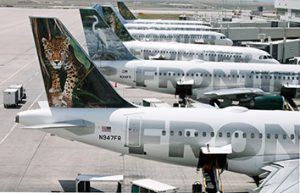
Frontier is offering to buy Spirit Airlines in a $2.9 billion cash-and-stock deal that will create the nation’s fifth largest carrier. The companies foresee adding 10,000 jobs internally.
In a letter to the Justice Department Attorney General Merrick Garland dated Thursday, Delta CEO Ed Bastian said there should be “zero tolerance” for any behavior that affects flight safety.
Lawmakers wondered aloud Thursday how a showdown between two federal agencies over the rollout of new high-speed wireless service reached crisis proportions last month.
The storm is the latest wintry headache for an industry that spent part of December and January recovering from several thousand canceled flights amid heavy snow and staffing shortages fueled by the omicron variant.
“Around the country, we’re planning to operate a limited or reduced schedule from some cities in the path of the storm but will make adjustments to the schedule as needed,” Southwest Airlines spokesman Dan Landson said.
The Federal Aviation Administration said Friday that it took the steps after receiving details from the telecommunications companies about the location of wireless transmitters.
Airlines had canceled more than 320 flights by Wednesday evening, or a little over 2% of the U.S. total, according to FlightAware.