
Timothy Moriarty and Brad Boswell: To capitalize on new era, we must address deficiencies
To take full advantage of the new economic opportunities coming Indiana’s away, addressing education and workforce development deficiencies will be paramount.
To take full advantage of the new economic opportunities coming Indiana’s away, addressing education and workforce development deficiencies will be paramount.

With more than 80% of S&P 500 firms having reported, fewer than half have beaten revenue estimates for the third quarter—the lowest share since the same period in 2019, according to data compiled by Bloomberg Intelligence.
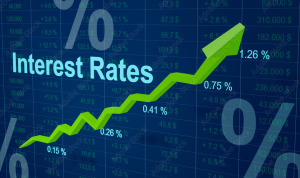
Policymakers are grappling with how much more pressure to keep on an economy that has largely shrugged off the central bank’s moves to slow it down.

American consumers are feeling increasingly less confident these days as fears of an oncoming recession remain elevated.
About three-quarters of Americans describe the nation’s economy as poor, which is in line with measurements from early last year.
September’s month-to-month price increase exceeds a pace consistent with the Fed’s 2% annual inflation target, and it compounds already higher costs for such necessities as rent, food and gas.
The nation’s economy expanded at a robust annual rate from July through September as Americans defied higher prices, rising interest rates and widespread forecasts of a recession to spend at a brisk pace.
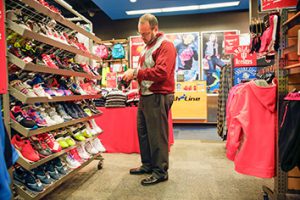
Americans showed their steadfast resilience and kept spending last month even as they grappled with higher prices, interest rates and a host of other headwinds.
Recent inflation data underscore how a strong labor market is underpinning consumer demand, which risks keeping price pressures above the Fed’s target.
The numbers, driven by an uptick in the price of goods, came in higher last month than economists had expected.
A National Federation of Independent Business index of sentiment fell to a four-month low in September.
The economy has now added an average of 266,000 jobs a month for the past three months, a streak that could make it likelier that the Federal Reserve will raise its key rate again before year’s end as it continues its drive to tame inflation.
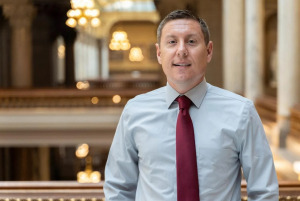
The comments from Indiana State Budget Director Zac Jackson came during a virtual panel discussion on the impacts an economic recession would have on state budgets.
The most recent quarterly financial reports from retailers showed that Americans remain cautious as higher interest rates make cars, homes or using credit cards more expensive.

Last month’s job growth marked an increase from July’s revised gain of 157,000, but still pointed to a moderating pace of hiring compared with the sizzling gains of last year and earlier this year.
The Commerce Department’s second estimate of growth last quarter marked a slight acceleration from a 2% annual growth rate from January through March.
In a closely watched speech at Jackson Hole, Wyoming, Federal Reserve Chair Jerome Powell said the economy has been growing faster than expected and consumers are spending briskly—trends that could keep inflation pressures high.
Economists say that given the difficulties in finding workers during the past two years, businesses will likely hold onto them as long as possible, even if the economy weakens.
Most Federal Reserve officials last month still regarded high inflation as an ongoing problem that could require further interest rate increases, according to the minutes of their July 25-26 meeting released Wednesday.
The uptick reflects the economy’s resiliency despite a still challenging economic environment of still high prices and higher interest rates.