
Lilly stock caught up in wave of uncertainty
After a stunning 703% run-up in price over the past five years, shares of Eli Lilly and Co. have been on a roller-coaster ride since September.
After a stunning 703% run-up in price over the past five years, shares of Eli Lilly and Co. have been on a roller-coaster ride since September.
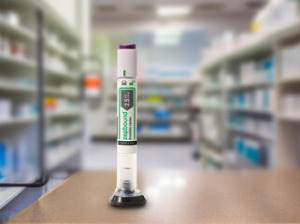
The FDA had previously said Lilly’s drugs were out of shortage and that making copies must cease in October. Compounders sued, causing the FDA to pause enforcement while it reevaluated its decision.
David Ricks told a lunch audience at the Economic Club of Washington, D.C., that Zepbound could quickly become the most popular drug in the 148-year-old company’s history.
Eli Lilly and Co. said its weight-loss treatment Zepbound helped patients lose 47% more relative weight than competitor Novo Nordisk’s obesity treatment Wegovy in a head-to-head clinical trial.

Vivek Ramaswamy owns about $670 million in shares of Roivant Sciences, which is pursuing studies for three drugs that could land before the FDA during Donald Trump’s second term.

TV remains the drug industry’s primary advertising format, with more than $4 billion spent in the past year, led by blockbuster drugs like weight-loss treatment Wegovy, according to ispot.tv, which tracks ads.

The Indianapolis-based drugmaker missed expectations on sales of two popular drugs, diabetes treatment Mounjaro and weight-loss treatment Zepbound, which it attributed to inventory decreases in the wholesaler channel.

Britian’s National Institute for Health and Care Excellence said more evidence was needed to prove Kisunla’s worth. Lilly says a year’s worth of treatment is $32,000.

In recent years, the pharmaceutical manufacturer has seen dizzying growth in its pipeline for a wide range of diseases. And modes of drug delivery are becoming increasingly complex.
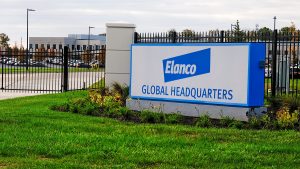
The product, called Credelio Quattro, is designed to protect against fleas, ticks, heartworms, roundworms, hookworms and three different species of tapeworms.

The plaintiffs allege that the shortage of Lilly’s drugs isn’t actually over, and that the agency’s decision deprives patients of important medicines by restricting compounding.
Lilly has been making the case since August that its tirzepatide-based drugs are now “commercially available,” which the FDA agreed on. But the agency warned that patients and prescribers might still experience “localized supply disruptions.”

The new funding, for an advanced manufacturing and drug development center, will bring the Indianapolis-based drugmaker’s total investment in the Boone County site to more than $13 billion.

The the Swiss drugmaker will face off in the obesity area with leaders Novo Nordisk A/S and Indianapolis-based Eli Lilly and Co.
Recurrent shortages, shifting insurance coverage, indecision and a lack of guidance about side effects and dosing have led to challenges for some patients prescribed Mounjaro, Ozempic, Zepbound or Wegovy.
The Indianapolis-based drugmaker filed a suit in federal court this month, challenging the U.S. Food and Drug Administration’s ruling that the company’s experimental obesity treatment not a biological product.
The letter is the latest sign that the battle between the brand-name drug manufacturers and the companies that make and sell the compounded versions has intensified.

Zenrelia is one of several drugs Elanco has in its pipeline that it predicts could reach blockbuster status, which in animal health means more than $100 million in annual sales.

The expansion projects will boost production of medicines for Alzheimer’s disease, diabetes and obesity.

Lucas Montarce, who has been with Lilly since 2001 and most recently served as president for its Spain, Portugal and Greece operations, is now the company’s CFO and executive vice president.