Biopharma company plans $250M expansion in Bloomington
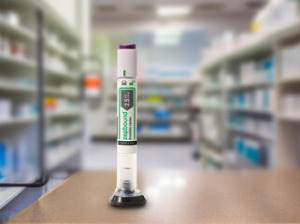
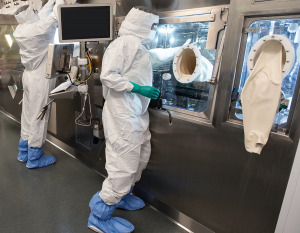
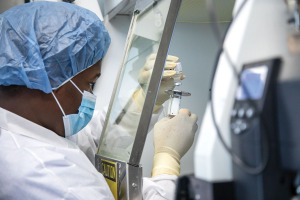
Simtra BioPharma Solutions on Wednesday announced plans to expand its sterile fill/finish manufacturing campus in Bloomington and add about 130 jobs.
Shares in the Indianapolis-based drugmaker are setting new records almost every day, due to investor excitement over the company’s new drugs for obesity and diabetes, two health conditions that plague America.
The U.S. Food and Drug Administration designated psilocybin as a “breakthrough therapy” for treatment-resistant depression in 2018 and for major depressive disorder in 2019.
In recent weeks, the Indianapolis-based philanthropy has been unveiling a flurry of gifts at the $100 million level or higher.
As Novo and Lilly fight to dominate the market in weight-loss drugs, gaining an edge in manufacturing power is emerging as a new front. Both drugmakers are racing to secure the highly specialized plants that can churn out enough of their top-selling drugs to keep up with demand.
Indianapolis-based Eli Lilly and Co. and Switzerland-based Novartis were the most active acquirers in the past 12 months, with seven and six deals respectively, according to data compiled by Bloomberg.
The Indianapolis based drugmaker posted net income of $2.19 billion for the quarter. Excluding nonrecurring items, adjusted earnings per share of $2.49 beat the FactSet consensus of $2.30.
The Catalent biologics campus covers 62 acres and has four buildings totaling almost one million square feet. The facility was opened by Cook Pharmica in 2004 and acquired by Catalent in 2017.
Indiana will receive more than $7.6 million from the settlement with Publicis Health to help address the opioid crisis.
Lilly said it was working closely with the FDA and the “situation does not affect the quality, safety or supply of any current or planned Lilly products in the marketplace.”
The 70,000-square-foot facility near Indianapolis International Airport will be used to make Pluvicto, which is used to treat advanced-stage prostate cancer who have run out of treatment options.
Among the medications listed as available through LillyDirect Pharmacy Services is Zepbound, the company’s popular new weight loss treatment, which is projected to exceed $2 billion in sales in 2024.
Lilly called the lawsuit “baseless” and said PDL BioPharma “has no plausible claim to royalties” for donanemab, which is expected to be approved by the FDA this quarter.
David Ricks led Eli Lilly and Co. to milestone after milestone in 2023, with a slew of product launches for diseases from obesity to inflammatory bowel disease. And when Lilly wasn’t scoring wins in the laboratory, it was issuing a series of head-turning announcements,
Obesity drugs like Wegovy and Eli Lilly’s Zepbound are showing promising results in helping people shed pounds. But a law bans Medicare from paying for weight loss drugs. Now, drugmakers and a bipartisan coalition of lawmakers are gearing up to push for that to change next year.
It was a busy year for the Indiana life sciences community, with a flurry of billion-dollar deals, major announcements, and a few setbacks. Here we present the top 10 stories of 2023—the good, the bad and the ugly—about an industry that is often hailed as a key driver of Indiana’s economy.
RayzeBio is building a large factory on the northwest side of Indianapolis to make radioisotopes for cancer treatment.
Firms that normally try to sell drugs as soon as possible are suspending clinical trials and shifting timelines, while patient groups are demanding change.
Results of a clinical trial for Point Biopharma’s lead compound fell short of analysts’ expectations, and that development is likely to pressure its investors to decide whether to agree to sell the company to Eli Lilly and Co. for $1.4 billion.
People who stopped taking Eli Lilly and Co.’s blockbuster drug Zepbound after about eight months regained half the weight they’d lost a year later, yet were significantly thinner than when they had started the obesity drug, according to a new study.