Hoosier manufacturers feel trade war sting
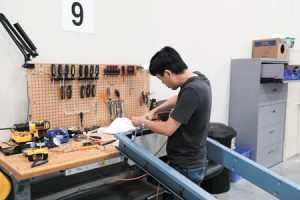
As the U.S./China trade war drags on, advanced manufacturers in central Indiana are scrambling to determine their best course of action—and there are no easy answers.
U.S. Treasury Secretary Steven Mnuchin said mid-level U.S. and Chinese negotiators will meet next week or the week after. Then a high-level Chinese delegation is likely to travel to Washington, D.C., to meet with Mnuchin and U.S. Trade Representative Robert Lighthizer.
President Donald Trump said the two-week delay in a planned increase in tariffs on some Chinese imports is “a gesture of good will.”
Officials will “conduct conscientious consultations” in mid-September to prepare, the Chinese Commerce Ministry said. It gave no details, but said the two sides want to create “favorable conditions.”
President Donald Trump’s comments followed signs from China that it wouldn’t immediately retaliate against the latest U.S. tariff increase and wanted to focus on removing new tariffs, to prevent a further escalation of the trade war.
The U.S. and Japan agreed in principle on a trade deal under which Japan will slash tariffs on U.S. beef, pork and other agricultural products while continuing to face levies on its own auto exports.
President Donald Trump said his trade negotiators had received two “very good calls” from China on Sunday. He expressed his optimism about China hours after he sent mixed messages on the tariff war.
President Donald Trump on Friday called on U.S. companies with operations in China to consider an alternative place to do business after Beijing announced a series of retaliatory tariffs Friday.
Vice President Mike Pence took his pitch on Wednesday to voters in a congressional swing district in southern New Mexico.
Beijing expressed hope that Washington can end a tariff war after President Donald Trump said Americans might need to endure economic pain to achieve longer-term benefits.
The U.S. Department of Commerce said the deal with benefit tomato producers across America, including those in Florida, Indiana, Texas and Arizona.
President Donald Trump said Tuesday his aggressive China trade policies might mean economic pain for Americans but insisted they’re needed for more important long-term benefits.
The economists surveyed were skeptical about prospects for success of the latest round of U.S.-China trade negotiations. Only 5% predicted that a comprehensive trade deal would result.
By granting a grace period for everyday items such as some phones and toys, the U.S. concession appears designed to avoid any disruption or additional price increases for American consumers heading into the final four months of the year—from back-to-school purchases to Christmas shopping.
President Trump said that the Fed’s high level of interest rates in comparison to other countries was keeping the dollar too strong and making it more difficult for U.S. manufacturers to compete.
U.S. stocks on Tuesday rebounded from their worst day of the year after Chinese efforts to stabilize the yuan reassured nervous investors that a global currency war had not been declared.
Technology stocks led the gains in a reversal of Monday’s slump, when they bore the brunt of the market sell-off that pushed U.S. indexes 3% lower.
The United States and China traded blows in an unrestrained economic conflict Monday that sent stock markets plunging and threatened to inflict significant damage on a weakening global economy.
Major stock indexes dropped dramatically on Wall Street on Monday, their worst loss of the year, after China countered President Donald Trump’s latest tariff threat by letting its currency weaken to the lowest level in more than 10 years.
U.S. stocks nosedived in morning trading Monday as China’s currency fell sharply and stoked fears that the trade war between the world’s two largest economies would continue escalating.