
Subscriber Benefit
As a subscriber you can listen to articles at work, in the car, or while you work out. Subscribe NowFeatured Issue:
“Should state legislators pass a law that overrides local authority on some requirements for home construction in hopes of increasing housing stock to meet growing demand?”
 From housing and health care to energy and data centers, the list of complex issues that present both challenges and opportunities for our state continues to build. As we’ve seen in the headlines, the Indiana General Assembly is tasked with addressing these issues this legislative session.
The balance legislators must strike is a fine one: providing statewide guardrails while honoring locals’ ability to address the nuances that come with these complex issues. How we address these issues will be as important as the outcomes we are seeking. Historically, mandates and preemptions have not been well received by our resilient and independent Hoosier residents. They desire to have a voice and to be heard, which requires public officials to engage and lead at all levels of local and state government.
A prime example is the recent effort to address the housing shortage in Indiana. House Bill 1001 addresses this challenge by using a list of complaints from homebuilders and developers to attack local requirements and processes that cities and towns across Indiana have established.
For years, impact fees have allowed growth to pay for growth. As new homes are built in our communities, homebuyers are asked to pay their fair share of the new infrastructure needed to support this growth. HB 1001 significantly undermines that ability, placing the cost back on current residents.
That legislation, in and of itself, is your run-of-the-mill special interest group’s attempt at deregulation. But there is something more profound going on in this bill.
What this bill also attempts to do is preempt communities from having a say in how, and at what pace, they want to grow. This is a significant degradation of the rights of current residents. This is a clear message from legislative leaders: Residents who currently call our communities home are not nearly as important as the new residents they want to attract.
This bill also attempts to eliminate current residents’ ability to share their concerns or input on proposed projects, regardless of the potential impact on their home values, schools, safety or traffic.
I agree that housing costs are rising too fast. I agree that we should look at innovative approaches to reduce costs through common-sense regulatory reform, such as stormwater standards and time limits on permit and zoning reviews. Innovative tools could be developed for increasing home ownership. Tax abatements, tax credits and other financial incentives are all examples of solutions that can turn this challenge into opportunities that benefit the most important stakeholders in this legislation: our residents.
In 15 years of city leadership, I have sat through hundreds of meetings at the local level where the merits of growth are debated, where legitimate concerns are addressed and illegitimate concerns are dismissed. And through that civil discourse, we have managed to grow our city from 2,500 people in 1982 to 107,000 today and become one of the nation’s top communities to live in. We did that by working through our residents’ concerns, not preempting their ability to have concerns and to share them. It is my sincere hope that, in the frantic pace of this year’s legislative session, we still have time to rebalance this bill and tip the scales in favor of our current Hoosiers.•
__________
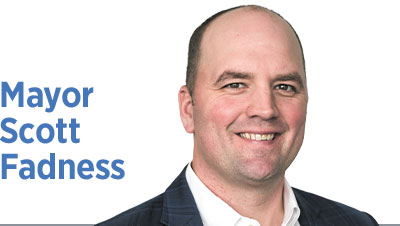
Fadness, a Republican, is mayor of Fishers. Send comments to [email protected].
Click here for more Forefront columns.
Please enable JavaScript to view this content.
Editor's note: You can comment on IBJ stories by signing in to your IBJ account. If you have not registered, please sign up for a free account now. Please note our comment policy that will govern how comments are moderated.