
Subscriber Benefit
As a subscriber you can listen to articles at work, in the car, or while you work out. Subscribe Now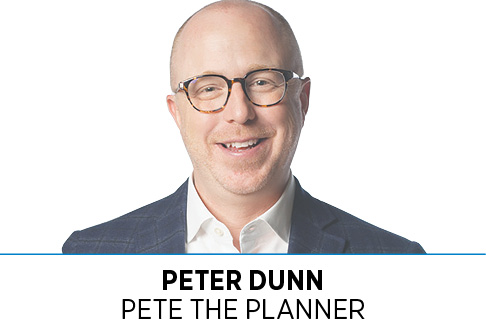 Even after it’s happened, it still feels impossible to have predicted it. OK, the dot-com crash in the late ’90s felt predictable, but most of the events after that, not so much. No matter what bludgeons the markets—and no matter how different and unique the immediate moment feels—the outcome isn’t ever really that different.
The market takes a punch. You either panic or you don’t. And then the market recovers on its way to further growth.
Whether it was 9/11, the housing market meltdown of 2008 or the COVID market crash (which lasted only 148 days), world events have a way of convincing us that the isolated dynamics of the time will lead to unprecedented market peril. Yet they don’t.
This reality is both comforting and frustrating. Believe me, I want the market to constantly go up, but a weird part of me wants to be right about how impactful market aggravators might actually be. It’s like when you think someone is about to cut you off in traffic, then they actually do, and you’re strangely glad you were right.
The stock market hates surprises. It yearns for certainty. And if you’ve paid attention to the market at all over the last couple of weeks, you know it doesn’t quite know what to do with President Trump’s game of tariff Frogger.
Is it negotiating genius? Is it the personification of reckless whims? Look, I have no idea, and I don’t waste my time trying to come to a tidy conclusion.
Personally, I don’t believe any president of the United States should focus on short-term stock market fluctuations when working toward long-term economic stability. That being said, companies and consumers do have to account for those fluctuations in the market and, more important, the economic realities that led to market unrest in the first place. Right or wrong, companies are forced to take Trump’s economic policy at face value.
And this is where things get interesting. When tariffs go into effect, when corporate tax policies shift, when interest rates rise or fall—those aren’t just theoretical debates for cable news. They impact payrolls, business plans and, yes, your retirement portfolio. The economic game board shifts, and companies react. Some get rewarded. Some get kneecapped. And regular people, the ones working, saving and trying to build a financial future? They’re often caught in the shuffle.
Here’s what happens next: The market digests the news. It throws a tantrum. It self-corrects. Then, it gets back to business. This isn’t speculation; it’s history. The dot-com bust? A historic wipeout, followed by one of the longest bull markets ever. The 2008 financial crisis? Gut-wrenching, but if you stayed invested, you more than made up for it in the following decade. The COVID crash? Barely a blip in hindsight. Every single time, the story is the same.
And yet, here we are again. The market takes a punch, and people start doomscrolling, convinced that we’ve crossed some invisible threshold of permanent financial destruction.
Except, we haven’t. We never have.
The problem isn’t just the panic—it’s what panic makes people do. People start selling low. They yank money out of their investments. They stop contributing to their retirement plans. They freeze. And freezing, in investing, is a guaranteed way to lock in losses.
Look, I’m not telling you to ignore economic realities. If your industry is in the crosshairs of a tariff war, that’s a real concern. If you work in an interest-rate-sensitive business, Fed policy matters to you. But your 401(k)? Your IRA? The foundation of your long-term wealth? That’s built for decades, not for headlines.
If history has taught us anything, it’s that markets reward patience. They reward discipline. They reward the people who resist the urge to hit the panic button when things get dicey.
Because no matter what happens next, here’s the safest bet of all: There will be another crisis. Another event that feels unprecedented. Another round of breathless analysis telling you the economy is doomed. And then, eventually, another recovery. The cycle repeats. The market climbs. Those who stayed the course win.
So, if you’re feeling nervous right now, take a deep breath. Think long term. Stay invested. And if you really want to feel like you’re in control, go predict someone cutting you off in traffic. You’ll probably be right about that one.•
__________
Dunn is CEO of Your Money Line powered by Pete the Planner, an employee-benefit organization focused on solving employees’ financial challenges. Email your financial questions to [email protected].
Please enable JavaScript to view this content.
Editor's note: You can comment on IBJ stories by signing in to your IBJ account. If you have not registered, please sign up for a free account now. Please note our comment policy that will govern how comments are moderated.