Three money-making bills that died in a tight budget year
But House Speaker Todd Huston, R-Fishers, has said repeatedly that Indiana lawmakers don’t make policy simply to raise money.
Lawmakers spent hours in session this week passing several dozen lingering bills, including the budget and property tax reform, before the first-half deadline Thursday.
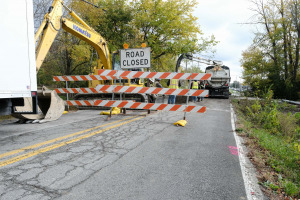
At the end of the 2025 fiscal year, any excess would fund fixes for dangerous at-grade railroad crossings. But in later years, the first $50 million of any surplus could go to Indianapolis-Marion County.
After six years of construction and expensive delays, The InterContinental Hotel is accepting bookings. Here’s when visitors can book stays and what it could cost.
Lawmakers have less to spend due to slowing growth in state tax revenue and ballooning Medicaid costs—both residual effects of the pandemic.
House Bill 1006—a Republican priority—creates a board to investigate prosecutors who “categorically refuse to prosecute” criminal laws.
Indianapolis city leaders and elected officials have spotlighted the danger of the two intersections for years.
County jails haven’t received payments in months, and there are still four months left in the July-to-June fiscal year.
Senate Republicans unanimously greenlit a bill imposing certain provisions to the Healthy Indiana Plan, including adding a cap to the program—meaning hundreds of thousands of Hoosiers could lose coverage.
The foundry will give the pharmaceutical maker the ability to research new ways of producing medicines.
The sweeping demand threatens to upend all aspects of campus operations, from questions on college applications to classroom lessons and campus clubs.
Montana Renewables said the money will help make it become the biggest producer of sustainable aviation fuel in the world.
The bill would also ban employers from “knowingly or intentionally” recruiting, hiring or employing people not authorized to work in the U.S.
President Donald Trump has instructed his administration to scrutinize the “threat” to children posed by antidepressants, stimulants and other common psychiatric drugs.
The campaign, publicly announced Monday, is the largest in the school’s history and its third billion-dollar-plus campaign in less than 25 years.
A key lawmaker called the bill a response to ongoing resistance of local governments to greenlight solar, wind and other renewables projects that are necessary to support the state’s growing energy demands.
Trump has called the federal contracts made with the help of the CHIPS and Science Act “ridiculous,” signaling that he doesn’t support the program.
The administration has stopped publishing daily numbers, and Trump officials said they will release the data on a monthly basis to conserve resources.
In the long term, it’s still possible that many existing fire walls could stop or slow Musk’s efforts to collect mountains of data and slash thousands of federal jobs.