The prudent layperson standard—or the PLP—requires health insurance coverage based only on the symptoms the patient presented with at the time, not on the final diagnosis.
Researchers reported Sunday that new blood tests were 91% accurate in detecting Alzheimer’s disease, far more accurate than a diagnosis from primary care doctors and specialists.
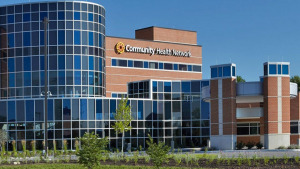
Despite the decrease, Community Health Network saw an increase in admissions, emergency visits, deliveries and physician outpatient visits during the first six months of 2024.
American summer camps have had to adapt as climate change fuels extreme heat events that can start earlier in the season and keep heat lingering well into the night.
Republican delegates picked Beckwith, a minister, over Rep. Julie McGuire, who had been nominated by the party’s gubernatorial nominee and was endorsed by former President Donald Trump.
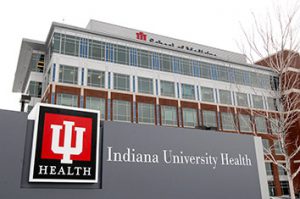
The move comes a year after the Indiana General Assembly passed a law banning noncompete clauses in new contracts for physicians practicing primary care. IU Health said it decided to extend the same benefit to physicians who are currently employed.
A high-ranking senator accused the state’s leading hospital lobbying organization of being “responsible for the gradual breakdown of trust” between lawmakers and hospital systems after the most recent legislative session.
Starting July 1, any health care entity or private equity firm that is planning a merger or acquisition in Indiana—where the assets of at least one of the parties is $10 million or more—must notify the state attorney general at least 90 days in advance.
The Indiana Business Health Collaborative is a unique new partnership among Hoosier employers, all parts of the health care industry and other stakeholders interested in working together to strengthen the state of health care in Indiana through market-based, patient-centered solutions.
The Federal Trade Commission’s near-total ban on noncompete agreements is scheduled to take effect in September, but two federal lawsuits challenging the ban’s validity threaten to put the agency’s new rules in legal limbo.
Lilly plans to outfit its Lebanon plants—now under construction—with the latest in robotic, digital manufacturing equipment that will do much of the work that a generation ago was done by humans.
The plaintiffs say the ban’s exceptions for protecting health are written so narrowly that in practice, many doctors won’t end a pregnancy even when a woman’s condition qualifies under the statute.
Lilly said the new investment will allow it to hire 200 more workers at the complex, including engineers, scientists, and lab technicians, for a total of 900 full-time workers when it is fully operational.
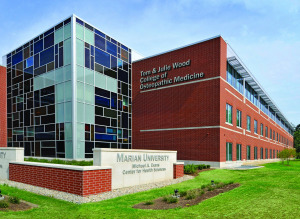
The Indiana Board of Nursing has accredited the university to accept 48 students a year, meaning the program will have nearly 200 students when it is fully enrolled across four years.
Primary Record allows families and other caregivers to organize and share medical information with one another and with doctors from their computer or phone.