
Ascension and UnitedHealthCare reach verbal pact on network contract
The current contract between Ascension St. Vincent and UHC expires Saturday, but network access is extended through Aug. 7 while a new deal is finalized.
Read More
The current contract between Ascension St. Vincent and UHC expires Saturday, but network access is extended through Aug. 7 while a new deal is finalized.
Read More
Ascension said the new hire brings 25 years of health care leadership experience, including stints in multiple states, and has a background in leading efforts to address social determinants of health.
Read More
The new 268,000-square-foot hospital is on the south side of Ascension St. Vincent’s 86th Street campus and is connected to the Peyton Manning Children’s Hospital.

But two years after the groundbreaking for an Ascension St. Vincent facility in West Lafayette, the planned $25 million development has little to show for itself. The 7-acre site sits empty, with no indication that anything is coming soon.

In the past five years, the nation’s largest Catholic health system has unloaded more than a dozen hospitals across the country, from New York to Alabama, as it restructures amid a growing tide of red ink.

Former Indianapolis Colts Quarterback Peyton Manning on Thursday announced the Care for Tomorrow campaign has received nearly $24 million in donor funding since its launch a year ago.

Ascension, the largest health system in central Indiana by number of beds, did not name a successor. It said in the announcement it “will be working through a thoughtful transition plan.”
The shutdowns mark the latest of several waves of Ascension facility closures in Indiana in the last year.

Just five years ago this summer, officials from Ascension St. Vincent opened the first of five tiny hospitals in the Indianapolis area, touting them as a new model of ease and comfort for patients.
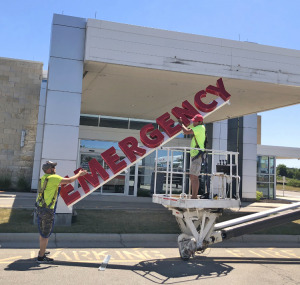
Ascension St. Vincent closed the facility just five years after opening it as the first in a new model of tiny hospitals around central Indiana.

The closures will affect more than half of the urgent care centers operated by Ascension St. Vincent across the state, a move certain to impact scores of employees as well as patients who use those centers.

The Indianapolis-based health system said the new hospital will bring inpatient and emergency care into the city of West Lafayette for the first time.
Ascension’s decision to require vaccinations follows similar mandates by all three other major health systems here.
Ascension Technologies, the IT subsidiary of St. Louis-based Ascension, is outsourcing the jobs to overseas companies.

The heavy investment in the campus—including a new women’s hospital and a brain and spine center—is the latest indication that Ascension St. Vincent is committed to the location, a major anchor along the busy West 86th Street corridor.

Three years after Indiana passed a law allowing doctors to prescribe drugs for patients without an in-person visit—using a computer, smartphone, video camera and similar technology—some health systems around the state are reporting higher use of virtual visits. St. Vincent, for example, sees hundreds of patients a month remotely for ailments ranging from minor rashes and sprains to follow-up visits for strokes.

The hospital system’s 45-year-old campus will likely need hundreds of millions of dollars in upgrades in coming years to keep it competitive long term.

 John Russell and
 Lindsey Erdody
Neighbors contacted about selling their homes to make way for the development say St. Vincent Health is behind it. But a St. Vincent spokeswoman said the organization does not have “details to share” at this time.

The hospital is about to roll out a parking-enforcement program to make sure employees stay in their designated areas so patients and visitors can park closer to the building.
St. Vincent’s new “neighborhood hospitals” are so small you fit three on a football field. But there’s nothing small about the profits the hospitals might rack up.

Just 20 months ago, Tandem Hospital Partners had set up a joint venture with St. Vincent to develop a series of tiny hospitals. Today, the results are far different from what either company probably imagined.