Controversial Indiana environmental bills inch near passage
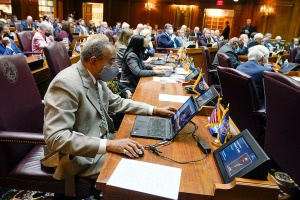
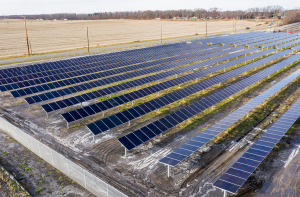
Lawmakers approved two environmental bills Tuesday that critics say could damage the state’s ecosystems by scaling back current policy affecting water, energy and other resources.
Legislative leaders are laying the groundwork for a return by all 150 lawmakers to Indianapolis months from now to approve new congressional and General Assembly districts based on data from last year’s census.
The president of the state’s largest business organization says the Senate’s proposed tax amounts to “a measly one-tenth” of the state’s cigarette tax and is “arguably worse than no increase at all.”
The state has an estimated $3 billion in federal funding coming its way. IBJ decided to ask what would happen if officials did something big and bold with the money.
For nearly a decade, voices across Indiana have raised warning flags about the need to repair the state’s aging water-utility systems and make plans to meet the growing water demand.
Most Indiana leaders and politicians agree that providing every Hoosier with a high-speed broadband connection is a worthy goal, if not a high priority. But they disagree over how to accomplish and pay for it.
Improving a 58-mile stretch of the White River and taking advantage of the natural resource that flows through the Indianapolis area has been on local leaders’ wish list for years.
Unlike many other states, Indiana has its fiscal house in order so this federal money is a rare opportunity for thoughtful new investment.
It is up to the state to get relief into the hands of those who need it most.
IBJ is exploring how the state should spend $3 billion it will receive from the federal government as part of a pandemic-related stimulus bill. We asked three community leaders—Indiana Economic Development Corp. board member John Thompson, entrepreneur Bill Oesterle and state Rep. Greg Porter, D-Indianapolis, what they think the state should prioritize.
The measure, which heads to the governor, would prohibit state and local orders from restricting anyone’s ability to attend religious services during disaster emergencies.
The Indiana Legislature passed a bill Thursday that allows the state to withhold funding to cities that fail to protect public monuments and memorials from vandalism.
A legislative committee has overhauled a contentious proposal to require Indiana voters to submit identification numbers with mail-in ballot applications.
The budget proposal, presented Thursday to the Senate Appropriations Committee, would increase state funding for K-12 education by $408 million over the next two years.
Although the bill still broadly reduces wetlands protections, the Hoosier Environmental Council called the amendment “much less damaging” than the Senate-passed version of the bill.
The proposal allows a pregnant employee to request accommodations and requires the employer to respond in a reasonable time frame, but it does not mandate that managers grant any of the requests.
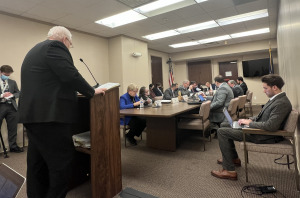
Stephen Fry, Eli Lilly and Co.’s senior vice president for human resources and diversity, told a legislative committee Tuesday that the company believed the bill aimed at reducing voter fraud wasn’t needed.
The proposed changes arrive as members of the General Assembly decide whether the state should adopt greener initiatives or scale back current policy protecting water, energy and other resources.
While the state’s rollout of eligibility for the vaccine has come under some fire, many Hoosiers have begun planning for a summer and fall free from worry, ready to resume their normal lives.
Bills aimed at increasing police accountability and ensuring Indiana’s public schools receive full funding for all students during the coronavirus pandemic were among 19 measures signed into law by Gov. Eric Holcomb on Thursday.