
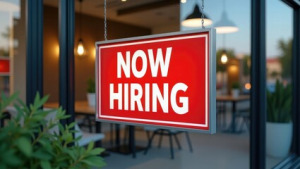
Labor market continues to surprise and unemployment rate falls
June numbers were surprisingly strong. Health care jobs increased by 39,000. State governments added 47,000 workers and local governments 33,000.
June numbers were surprisingly strong. Health care jobs increased by 39,000. State governments added 47,000 workers and local governments 33,000.
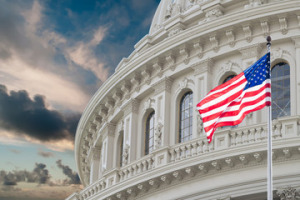
GOP leaders were up all night and the president himself worked to persuade skeptical holdouts to drop their opposition and deliver by their Fourth of July deadline.

The game against the Las Vegas Aces marks the beginning of a five-game homestand for the Fever.

Vietnam is one of Indiana’s top 10 trade partners in terms of imports.

A June AP-NORC poll showed about half of U.S. adults have an unfavorable opinion of Tesla, including 30% of Republicans.

In May, the company also laid off about 6,000 workers, its largest job cuts in more than two years, as the company spent heavily on artificial intelligence.
The bill would extend and make permanent various individual and business tax breaks that Republicans passed in Trump’s first term, plus temporarily add new ones that Trump promised during the campaign.

The move leaves states and schools in limbo as they budget for programs this summer and in the upcoming school year, introducing new uncertainty about when—or if—they will receive the money.

Across the retail industry, it’s far from a new phenomenon. But social media is pushing the culture of online dupe shopping to new heights as influencers direct their followers to where they can buy the knockoffs.
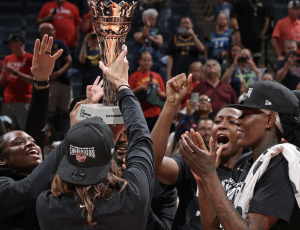
The Fever will receive a $500,000 prize for winning the league’s in-season tournament.

Proponents of an AI moratorium had argued that a patchwork of state and local AI laws is hindering progress in the AI industry and the ability of U.S. firms to compete with China.

The Milwaukee Bucks waived nine-time All-Star Damian Lillard to make the acquisition happen, according to Associated Press sources.
Vice President JD Vance broke a 50-50 tie to push the bill over the top.
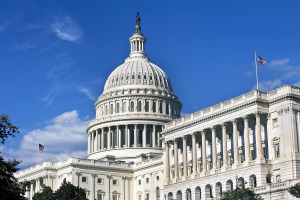
Republican leaders are buying time as they search for ways to secure support for President Donald Trump’s big bill of tax breaks and spending cuts, but the endgame wasn’t immediatley in sight early Tuesday morning.
It’s a pivotal moment for the Republicans, who have control of Congress and are racing to wrap up work with just days to go before Trump’s holiday deadline Friday.
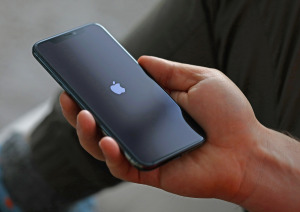
A federal judge on Monday rebuffed Apple’s request to throw out a U.S. government lawsuit alleging the technology trendsetter has built a maze of illegal barriers to protect the iPhone from competition and fatten its profit margins.

Paige Bueckers will play in her first WNBA All-Star Game while Nneka Ogwumike has earned her 10th selection, the league announced Monday as it named the All-Star starters.

Republicans say the tax-cut bill represents historic savings for taxpayers and supports production of traditional fossil-fuel energy sources such as oil, natural gas and coal, as well as nuclear power, increasing reliability.

The acquisitions arrive as booming sales from the pandemic fade and Home Depot intensifies its focus on professional builders.

All three new teams announced Monday have NBA ownership groups that paid a $250 million expansion fee, which is about five times as much as Golden State dished out for a team a few years ago.