

Indiana mental health bill advances out of House committee
A sweeping bill that would create a new mental health care system in Indiana drew tears and personal testimony Tuesday–from both the public and elected officials.
A sweeping bill that would create a new mental health care system in Indiana drew tears and personal testimony Tuesday–from both the public and elected officials.

Many Hoosier homeowners have already received their latest property tax bill—or will in the coming days–and discovered the jump, which ranges from zero change in one county to more than 20% in four counties around the state.
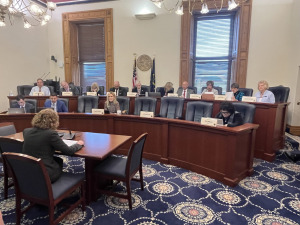
State senators and health care stakeholders alike seemed unable to find much agreement Wednesday on how to address Indiana’s health care costs, or even how to measure and compare those costs to neighboring states.
Sixty-one percent of Hoosiers in extremely low-income households can’t find an affordable rental, instead spending more than half of their income on housing with little left for food or other necessities, according to a newly released analysis.
The Hoosier State continues to lag its peers when it comes to child wellbeing, ranking 28th overall—just one place ahead of its ranking last year. But it has made strides in reducing the number of foster children in the state.

Two of the bills–one establishing utility receiverships and another increasing the cap on pay that trustees on utility boards can earn–received no opposition, passing with a unanimous vote.
Most Americans are unprepared for long-term care as they age, relying heavily upon family caregivers to provide the support and assistance they need.
The proposed changes could have big impacts for lawmakers, as the bill’s language would change the formula used to calculate pay raises for many–from the governor down to each legislator.
A slew of health care bills moving through the legislature target high prices for Hoosiers by encouraging competition and restructuring how the state pays for services under Medicaid.

The bill would ban the use of puberty blockers, hormone replacement therapies and surgical procedures—but only if the minor is diagnosed with gender dysphoria.
Democrats denounced the budget for taking funding away from traditional public schools. Under the new proposal, families making up to 400% of the federal poverty level, roughly $220,000, qualify for vouchers.

Indiana’s emergency responders, especially volunteer firefighters, might be getting more funding for training and gear in the next state budget.
Pharmacy Benefit Managers, or PBMs, were the target of state senators Wednesday as they attempt to find solutions to decrease Indiana’s elevated health care costs.
Rep. Wendy McNamara, R-Evansville, chairs the House courts committee and said the dialogue needed to be heard but didn’t call a vote on the bill—which would have possibly advanced it to the full House Chamber.
The proposal for the popular economic development tool used by Hoosier cities and counties focuses on transparency, accountability and benefits for school corporations.
A bill dictating payments for certain health services based on location—or site of service—cleared an Indiana Senate health committee Wednesday, though nearly every senator voiced concerns with the bill.

Lawmakers opted not the include an explicit price tag for a program designed to incentivize affordable housing construction throughout the state before passing the bill through the House Ways and Means Committee on Wednesday.
The legislator who introduced the measure said it was the result of a lack of action on the part of health care entities and insurers to lower prices.

Hoosiers with disabilities and adult Indiana residents receiving benefits from the Temporary Assistance for Needy Families program could benefit under a new bill that would help connect underskilled employees to companies.
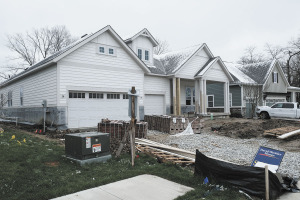
The bill’s author—a homebuilder—says the fund would be a tool for Indiana communities to provide infrastructure for their housing needs, especially workforce housing.