
WNBA players unanimously approve landmark 7-year collective bargaining agreement
Teams are expected to start training camp on April 19 and will have little time to get prepared for the regular season, which begins May 8.
Read More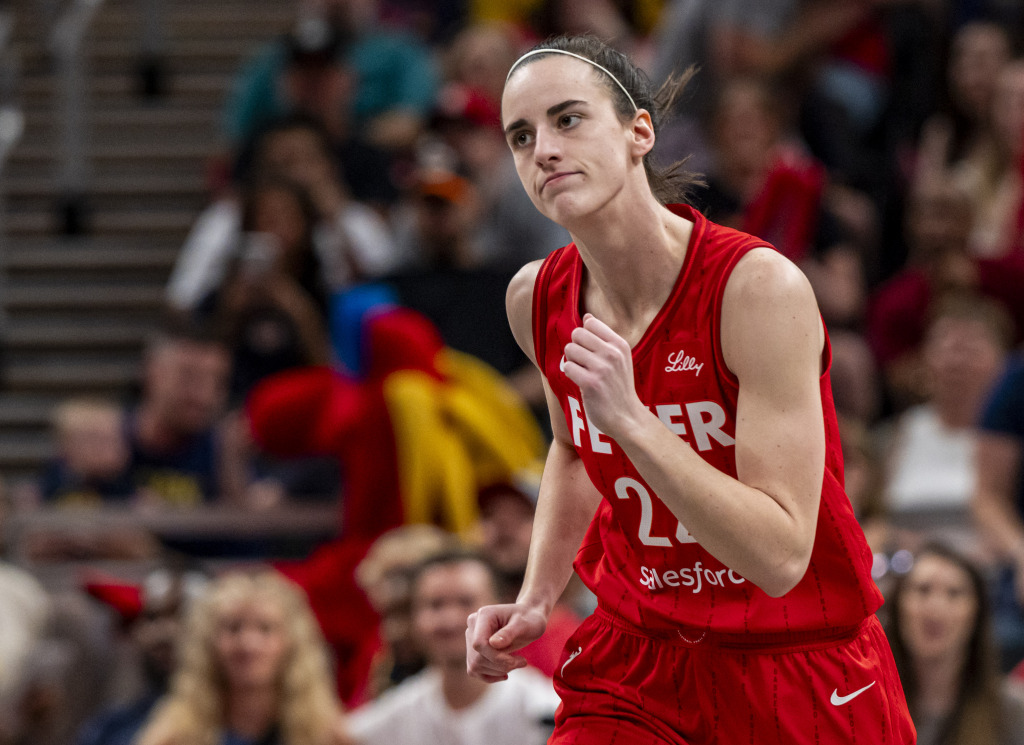
Teams are expected to start training camp on April 19 and will have little time to get prepared for the regular season, which begins May 8.
Read More
In-person talks entered a seventh consecutive day Monday afternoon after the previous session ended around 3 a.m. in the morning.
Read More
In proposals over the last 24 hours, the league has increased its salary cap offer in the first year to $6 million — up from $5.75 million in previous negotiations, a source said.
Indiana Fever star Caitlin Clark said at USA Basketball training camp on Saturday that the two sides should stop sending proposals and instead meet face-to-face until a deal gets done.
The WNBA has told the players’ union that it needs to get a deal in place by Tuesday, March 10, to start the season on time.
The WNBA told the union Monday during a virtual negotiating session that it needs to get a deal in place by March 10 to start the season on time, a person familiar with the discussions said.
The WNBA and its players union remain at odds as details emerge from collective bargaining negotiations.

The WNBA will crown a champion in mid-October—but the Finals could be just a preview for the biggest battle of the year. The collective bargaining agreement is set to expire two weeks later.
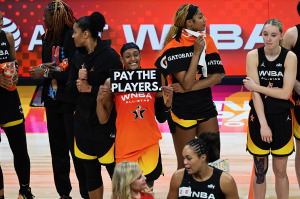
A wave of young players will play a large chunk of their careers under an collective bargaining agreement expected to be unprecedented after the league has seen dramatic growth in attention, ticket sales and viewership.
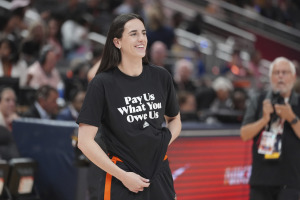
WNBA Commissioner Cathy Engelbert feels optimistic that the league and the players’ union will be able to come to a new collective bargaining agreement at some point, even if it’s after the end of October deadline.
Players opted out of the current collective bargaining agreement last October and are seeking a better revenue-sharing model, increased salaries, improved benefits, and a softer salary cap.

The Transportation Security Administration has about 50,000 staffers—called transportation safety officers—at airports around the country.
If the union does opt out, the current CBA, which was set to expire in 2027, will still be in effect next season, so the two sides have a year to come to an agreement.
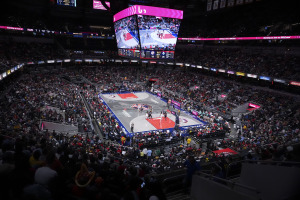
A new media rights deal is expected to provide an influx of cash that will alter league finances significantly. Meanwhile, the players are expected to opt out of their collective bargaining agreement and renegotiate.
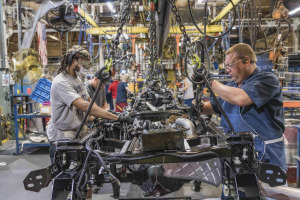
The United Auto Workers provided some information on the deals, including a detailed explanation of the agreement it reached with Ford. The agreement is expected to become the model for later settlements with GM and Stellantis.

The United Auto Workers union says it has filed unfair labor practice complaints against Stellantis and General Motors for failing to make counteroffers to the union’s economic demands.
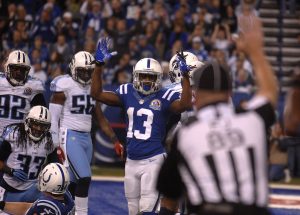
The deal makes changes for the 2020 season and runs for 10 years after that, through the 2030 season. It brings some significant changes to the sport.
With a late-night vote, on the slim majority approval of the 32 team representatives, the NFL Players Association was preparing Wednesday to send the collective bargaining agreement proposal to the full union membership for potential ratification.
Players union representatives and members of the NFL’s negotiating committee got together Tuesday in Indianapolis to hash out their differences in a new labor agreement the owners approved last week.
Negotiators for General Motors and the United Auto Workers took a break from bargaining around 9 p.m. Monday but headed back at to the tables on Tuesday as a strike by more than 49,000 employees extended into a second day.
The move announced Tuesday means that GM will be the focus of bargaining, and any deal with the company will set the pattern for Ford and Fiat Chrysler. It also means that if the union decides to go on strike, it will be against GM.

The contract, announced Friday, is the first labor agreement the musicians have approved since 2006 to contain an overall wage increase.