Big Ten’s cardiac registry aims to study effects of COVID-19
Myocarditis, an inflammation of the heart, was among concerns cited by the Big Ten in August when it planned to postpone football until spring.
The Division I Council voted Wednesday to delay the start date from the originally scheduled Nov. 10 as one of several precautions against the spread of coronavirus.
All 14 teams are expected to play eight regular-season games in eight weeks, plus have an opportunity to play a ninth game, possibly on Dec. 19, with a conference championship game in Indianapolis—if all goes well.
The NCAA is working to change its rules restricting athletes from earning money for things such as endorsements, in-person appearances and social media posts.
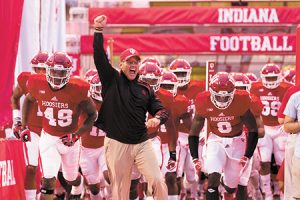
Presidents of universities in the Big Ten Conference were presented a comprehensive plan Sunday to conduct a fall football season, but a final decision is still to come.
If things move quickly, the Big Ten could start an eight-game season in about a month, and still compete for a spot in the College Football Playoff.
The finding adds to a growing body of evidence that the pneumonia-causing coronavirus is also resulting in damage to the heart, as well as other organs.
Multiple coaches said creating an everybody-gets-in format would be an incentive for schools as they create the safest conditions possible for returning to play.
Each Notre Dame home football game typically brings in about $17 million in visitor spending to St. Joseph County and $22 million for the overall region, according to the most recent study.
The NCAA will furlough its entire Indianapolis-based staff of about 600 employees in a cost-saving move, according to memo obtained Wednesday by The Associated Press.
The Big Ten, in a written statement, said Commissioner Kevin Warren and President Donald Trump had a “productive conversation.”
The conference is in the early stages of a complicated process that also involves broadcast partners and possible neutral site venues, but could have a season starting as soon as Thanksgiving weekend.
One option includes playing games at domed stadiums across the Midwest, including in Indianapolis, Minneapolis and Detroit.
A growing number of analysts and insiders are reaching a startling conclusion: The scrapping of the college Division I football season actually might come with as many silver linings as drawbacks—maybe even more.
Fred Glass, 61, will become a partner at Taft Stettinius & Hollister, where he will operate a general business law practice, while also handling matters related to higher education, employment, government matters, sports, media and entertainment.
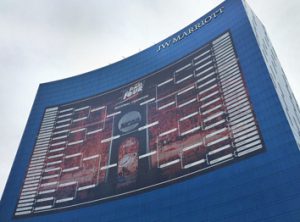
The NCAA and the Indiana Sports Corp. both said they’re still planning for the Final Four on its original dates. Some sports business experts wonder whether the college basketball tournament could benefit from a “bubble” strategy like the NBA or NHL.
The Division I Council made a similar decision for spring-sport athletes who had their seasons cut short by the coronavirus.
The cancellation of the fall season promises to wallop businesses who count on those fall weekends for survival, and the economic impact likely will measure in the tens of millions in many of the small towns across the sprawling conference.
The highest tier of Division I football, the Bowl Subdivision, is not affected because it is not overseen by the NCAA.
Purdue University Head Football Coach Jeff Brohm said he believes football can be played safely in the spring and again next fall if university presidents and medical teams agree.