

Paychecks grew more slowly in second quarter, Labor Department says
Higher wages and benefits are good for employees, but slower pay growth will likely reassure Federal Reserve officials that inflation is steadily falling back to their 2% target.
Higher wages and benefits are good for employees, but slower pay growth will likely reassure Federal Reserve officials that inflation is steadily falling back to their 2% target.

American consumers felt more confident in July as expectations over the near-term future rebounded. However, in a reversal of recent trends, feelings about current conditions weakened.

Inflation has fallen steadily for the past year. Even so, the costs of everyday necessities like groceries, gasoline and rent remain much higher than they were three years ago.

The nation’s economy accelerated last quarter at a strong 2.8% annual pace, with consumers and businesses helping drive growth despite the pressure of continually high interest rates.

Despite the likely uptick, the U.S. economy, the world’s largest, has clearly cooled in the face of the highest borrowing rates in decades.
The increase, the sharpest year-over-year increase since March 2023, comes at a time when other price indicators are showing that inflation has continued to ease.

PepsiCo’s and Conagra’s latest quarterly results suggest that consumers frustrated by rising prices are now spending less on established brands, particularly in the snack and soda aisles.
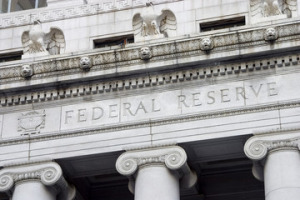
The June figures will qualify as another installment of the more good inflation data the central bank has been seeking. Should inflation remain low through the summer, most economists expect the Fed to begin cutting its benchmark rate in September.
Optimism is rising among economists, investors and Federal Reserve officials that U.S. inflation is nearly under control, with the latest report on consumer prices expected to show another month of mild increases.
The unemployment rate ticked up from 4% to 4.1%, a still-low number but the highest rate since November 2021.

Despite better-than-expected job gains in May, there is some visible weakening in the labor market. Job postings for April hit their lowest level since 2021 and the number of Americans who are receiving unemployment benefits has risen for seven straight weeks.
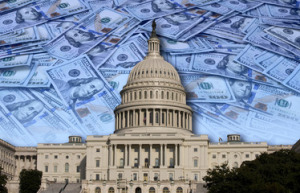
Major drivers of the increase include higher costs from the supplemental spending package signed in April.

Economists said the report reflected an increasingly cautious consumer.
Though this week’s number seems relatively high, it’s still within a range that reflects a healthy labor market.
Federal Reserve officials, who will end their latest policy meeting later Wednesday, are scrutinizing each month’s inflation data to assess their progress in their fight against rising prices.
The hotter-than-expected data complicates the overall picture of the labor market as Federal Reserve policymakers look for signs of a softening economy as an indication that inflation can come down enough to lower high interest rates later in the year.

Friday’s report also showed that income growth slowed and spending cooled sharply in April, a trend that could help moderate economic growth and inflation in the coming months.
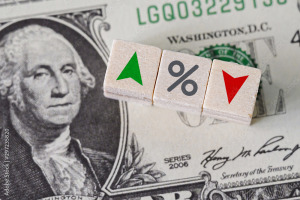
Hopes for interest rate cuts this year by the Federal Reserve are steadily fading, with a stream of recent remarks by Fed officials underscoring their intention to keep borrowing costs high as long as needed to curb persistently elevated inflation.

Target is very cognizant of the spending pullback by shoppers amid high inflation. In March, it reported its first annual decline in sales in seven years.
Tuesday’s unexpectedly high readings may raise concerns on Wall Street, at the White House and for inflation-fighters at the Federal Reserve.