

Nation’s largest trade group says holiday sales rose more than expected
The National Retail Federation said the 2024 holiday shopping season turned out to be robust, as easing inflation on merchandise drove shoppers to buy.
The National Retail Federation said the 2024 holiday shopping season turned out to be robust, as easing inflation on merchandise drove shoppers to buy.

The U.S. economy in December added the most jobs since March, capping a surprisingly strong year and supporting the case for a pause in Federal Reserve interest-rate cuts.

Wall Street’s 2025 forecast for more than 12% profit growth relies largely on current conditions continuing to prevail.

Economists called the drops “encouraging,” but cautioned that seasonal adjustments around the holidays can throw off the numbers.

Shoppers and restaurant patrons in the U.S. were choosy about where and how to spend their money as they wrestled with high housing and food prices.

This year, retailers were even more under the gun to get shoppers in to buy early and in bulk since there were five fewer days between Thanksgiving and Christmas.

GDP growth has now topped 2% in eight of the last nine quarters.

Sales jumped 2.6% at auto dealers, driving most of the gain. Some of that demand likely reflected a need for new cars in parts of the southeast slammed by Hurricane Helene in October, as well as healthy incentives provided by car dealers.

Fueled by pricier used cars, hotel rooms and groceries, inflation in the United States moved slightly higher last month.
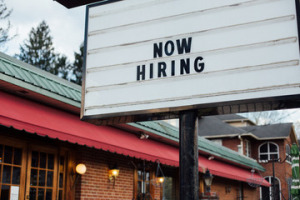
Taken as a whole, Tuesday’s figures suggest that the job market might be stabilizing at a modest level, with hiring moderate but layoffs uncommonly low.

In recent months, Tavares had come under fire from U.S. dealers and the United Auto Workers union after the release of dismal financial performance reports.

Consumer prices rose 2.3% in October from a year earlier. That’s up from 2.1% in September, although it’s still only modestly above the Fed’s 2% target.

Within the GDP data, a category that measures the economy’s underlying strength rose at a solid 3.2% annual rate from July through September, up from 2.7% in the April-June quarter.

Trump on Tuesday announced he has chosen international trade attorney Jamieson Greer to be his U.S. trade representative and Kevin Hassett as director of the White House National Economic Council.

The Conference Board doesn’t break out its responses by party, but another measure of consumer sentiment by the University of Michigan showed that optimism about the economy jumped among Republicans after the election.

Not only is the federal debt at roughly $36 trillion, but the spike in inflation after the coronavirus pandemic has pushed up the government’s borrowing costs such that debt service next year will easily exceed spending on national security.

The U.S. economy is strong and should continue to grow next year, Fifth Third Bank Chief Investment Strategist Tom Jalics said at IBJ’s 2025 Economic Forecast breakfast Thursday.

The bulk of October’s monthly increase was driven by a rise in shelter costs, which were up 0.4 percent last month and grew by 4.9 percent annually.

The upbeat picture also reflected Americans’ forecasts for slower inflation. Consumers expect prices will climb 2.6% over the next year, the lowest since 2020.
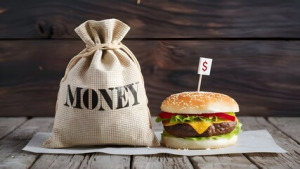
While prices for most goods have been falling throughout the year, inflation for food services and home and auto insurance remain stubbornly high.