
U.S. adds a solid 253,000 jobs despite Fed’s rate hikes
April’s hiring gain compares with 165,000 in March and 248,000 in February and is still at a level considered vigorous by historical standards.
April’s hiring gain compares with 165,000 in March and 248,000 in February and is still at a level considered vigorous by historical standards.
Quarterly productivity figures are extremely volatile, but if the latest decline is sustained, it risks keeping inflationary pressures elevated.

The White House Council of Economic Advisers compared the potential economic impact of a debt ceiling breach to the 2008 Great Recession, in which economic growth contracts sharply and unemployment surges.
The Federal Reserve said it will consider a range of factors in “determining the extent” to which future hikes might be needed.
The Labor Department’s Job Openings and Labor Turnover Summary, out Tuesday, showed that layoffs rose to 1.8 million, the highest level since December 2020.
Another quarter-point rate increase on Wednesday would leave the Fed’s key rate at 5.1%—a 16-year high and a full 5 percentage points higher than in March 2022.
Key measures of prices and wages remained high in March, keeping the Federal Reserve on track to raise interest rates next week for the 10th time since March of last year in its drive to defeat high inflation.
Thursday’s GDP report was the first of three estimates the Commerce Department will make of growth in the January-March quarter. Economists expect growth to further weaken in the current April-June quarter.
The figures suggest consumers are turning sour on the economy amid expectations that the labor market will soon begin to soften.
Firms saw new orders jump to the highest rate in 11 months, especially in the service sector. That allowed businesses to pass on higher costs to customers, resulting in the fastest jump in output prices in seven months.
The U.S. government said plunging energy prices pulled the producer price index down 0.5% in March from February. It marks the biggest decrease in producer prices in three years.
Reading the inflation report, economists emphasized the need to stay cautious and not treat all sources of price hikes as equal.
Despite last month’s decline, food costs are still up more than 8% in the past year. And restaurant prices, up 0.6% from February to March, have risen nearly 9% from a year ago.
Despite the drop, the number of layoffs ticked lower in February, and more Americans quit their jobs—a sign of confidence they can find better pay or working conditions elsewhere.
Taken as a whole, Friday’s figures show that inflation pressures, though easing gradually, still maintain a grip on the economy.
VisionTech, a group of more than 130 investors, has so far this year made seven investments totaling $1 million. In comparison, the group made a total of 16 investments totaling $2.4 million in all of 2022.
Signs of a possible credit crunch in the United States had begun to emerge even before Silicon Valley Bank collapsed on March 10, raising worries about the stability of the financial system.
The labor market continues to thrive despite the Federal Reserve’s efforts to cool the economy and tamp down inflation.
Adoption and fertility-assistance programs were the perks companies said they were most likely to eliminate, while parental leave and child-care benefits were also on the chopping block.
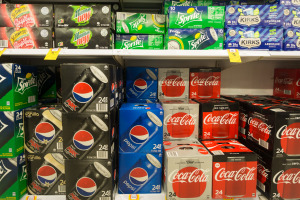
A growing body of analysts and researchers see a pattern of companies using unusual disruptions as an excuse to raise prices for their goods and services, thereby allowing them to expand profit margins.