
Trump imposes 50% tariffs on Canadian goods, citing disputes over autos, alcohol and cheese
The White House said in a fact sheet that the tariffs would go into effect in 30 days, meaning there is time for negotiations.
Read More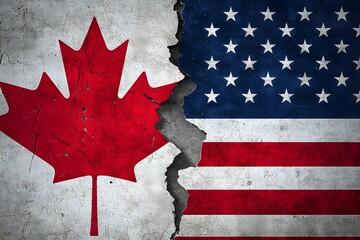
The White House said in a fact sheet that the tariffs would go into effect in 30 days, meaning there is time for negotiations.
Read More
The United States conducted a new round of airstrikes against Iran on Monday.
Read More
The U.S. Treasury last year swelled with revenue from double-digit taxes on imports from almost every country on earth. But the money dried up after the Supreme Court struck down the biggest and boldest of the tariffs in February.
The Office of the U.S. Trade Representative concluded that Brazil had a range of unfair trade practices, including lax anti-corruption enforcement.
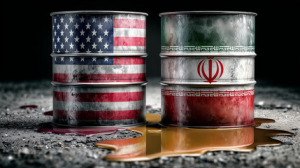
The latest exchange of fire, sparked by an Iranian attack on a container ship, had already cast further doubt on the interim peace deal reached last month.
Iranian targets including air defense systems, radars and more than 60 small boats used by Iran’s paramilitary Revolutionary Guard.
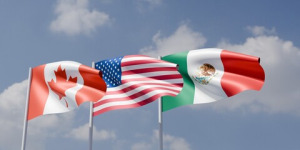
The United States will not extend its trade pact with Canada and Mexico by Wednesday’s deadline, instead kicking off a process that could result in a refreshed agreement or an investment-sapping succession of annual reviews.

The trip will involve meetings with leaders in the life sciences, biotechnology and pharmaceuticals, medical technology, digital heath and advanced manufacturing sectors.

Prices fell overnight after President Donald Trump signed an agreement with Iran that calls for Tehran to dilute its stockpile of highly enriched uranium and waives U.S.-backed sanctions on the country.
The initial deal to end the war takes “immediate effect” after leaders from both countries signed it.
The initial agreement would open the Strait of Hormuz, potentially allowing desperately needed oil and natural gas to reach the global market.

A deal to end the war with Iran could reopen the Strait of Hormuz and allow oil tankers to carry crude again from the Persian Gulf to customers worldwide.
At issue are temporary 10% worldwide tariffs President Donald Trump imposed after the Supreme Court in February struck down even broader double-digit tariffs.
Since launching nine years ago, Zelle has become one of the more popular ways for Americans to send money to others directly from their bank accounts.
The tariffs would be imposed on products from dozens of major trading partners following a probe into imports of goods allegedly made with forced labor.
The announcement late Monday came after an investigation by the Office of the U.S. Trade Representative, charging Brazil with lax anti-corruption enforcement, among other things.
The agreements offer some hope to American farmers harmed by the trade war as they saw a major export market for soybeans and other products dry up.
At issue are temporary 10% worldwide tariffs the Trump administration imposed after the Supreme Court struck down even broader double-digit tariffs.

Mayor Chris Jensen will lead a delegation that includes two Noblesville Common Council members, two economic development officials, Noblesville’s communications director and the city engineer.
President Trump said in a social media post that the European Union “is not complying with our fully agreed to Trade Deal.”
President Trump’s newest tariff push is sure to face more challenges in court but is likely to prove sturdier than the one the Supreme Court tossed out.
It’s the first step in a complicated process that also might eventually lead to refunds for consumers who were billed for some or all of the tariffs on products shipped to them from outside the United States.