The cigarette tax hike is the result of a last-minute compromise by Indiana legislators to address a projected revenue shortfall of $2 billion over the biennium.
The Indiana Legislature approved a pared-down $46.2 billion state budget bill early Friday morning that will triple the state’s cigarette tax and cut funding for a wide swath of entities and programs.
The additional money would give lawmakers a lot more wiggle room as they prepare to craft the next two-year state budget and look for ways to provide additional funding for K-12 education, roads and more.
The announcement is another setback for Food and Drug Administration officials, who drafted the ban and predicted it would prevent hundreds of thousands of smoking-related deaths over 40 years.
It is understandable that it might be politically difficult for lawmakers to consider any sort of tax increase in an election year in which 125 of the 150 state legislators will have to face voters. But it represents an issue of such import that we believe they should put their own political livelihoods aside.
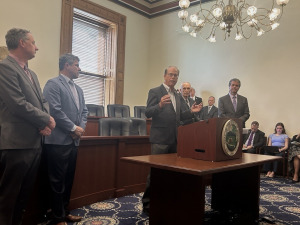
Discussion about a higher cigarette tax came as the House Ways and Means Committee, the powerful budget-drafters of the chamber, considered bills that address mental health and public health.
It is well known from multiple authoritative sources that increasing the cigarette tax is probably the most effective single strategy for reducing smoking rates.
Allegations stemmed from Juul’s marketing tactics, which included using hashtags and online influencers with large youth followings on social media platforms.
The American Cancer Society is emphasizing the need to discuss an increase to the state’s cigarette tax, which at 99 cents per pack is the 39th-lowest tax rate in the country.
The agreement comes one day after the FDA placed a hold on its initial order banning Juul’s products from the market, saying that Juul’s application warranted “additional review.”
The action is part of a sweeping effort by the Food and Drug Administration to bring scientific scrutiny to the multibillion-dollar vaping industry after years of regulatory delays.