
CEOs of Albertsons, Kroger say shoppers would see lower prices after merger
The Federal Trade Commission contends the $24.6 billion deal would eliminate competition and lead to higher food prices for already struggling customers.
The Federal Trade Commission contends the $24.6 billion deal would eliminate competition and lead to higher food prices for already struggling customers.

The two companies proposed what would be the largest supermarket merger in U.S. history in October 2022. But the Federal Trade Commission sued to prevent the $24.6 billion deal, alleging it would eliminate competition and raise grocery prices.
Legal experts characterize the move as an extraordinary attempt to interrupt the FTC’s enforcement powers, as it relies on a recent Supreme Court decision that limited a separate federal agency’s use of in-house legal proceedings.
What new ideas could flourish, which new companies might get off the ground or what products might be cheaper if Google were handcuffed from flexing its monopoly power over search?

The highly anticipated court decision comes nearly a year after the start of a trial pitting the U.S. Justice Department against Google in the country’s biggest antitrust showdown in a quarter century.
Nvidia’s has cemented itself as a poster child for the artificial intelligence boom—and in the process become one of the most valuable companies in the world.
In the past two years, more than 30 lawsuits have been filed in federal and state courts alleging that companies such as RealPage and Yardi are equipping corporate landlords with software algorithms that allow competitors to collude on rental housing prices.

Federal officials have signaled for more than a year that they’ve been watching out for monopolistic behavior in the rapidly advancing industry.

The class-action case covers more than 2.45 million commercial and residential subscribers from 2012 to 2022. The NFL could be liable for up to $21 billion if it loses.

The judge overseeing a pivotal antitrust trial focused on whether Google is stifling competition and innovation repeatedly indicated Thursday that he believes it would be difficult for a formidable rival search engine to emerge.
It’s unclear if the new plan will satisfy regulators. In February, the U.S. Federal Trade Commission sued to block the $24.6 billion merger between the grocery giants.

Performers, politicians, scholars, rival promoters and other ticket sellers argue that Live Nation wields far too much power in the live entertainment industry.
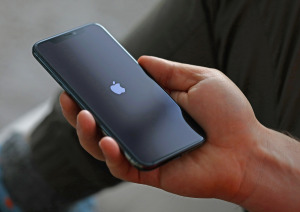
The Justice Department on Thursday announced a sweeping antitrust lawsuit that alleges Apple has monopoly power in the smartphone market and uses its control over the iPhone to “engage in a broad, sustained, and illegal course of conduct.”

The action targets Amazon, Google and Microsoft and their sway over the generative AI boom that’s fueled demand for chatbots such as ChatGPT.

The Justice Department said if JetBlue were allowed to buy Spirit, it would especially hurt travelers who depend on Spirit’s low fares.
In a statement Monday, Kroger said it was delaying its timeline for closing the $25 billion deal due to ongoing dialogue with regulators, including state attorneys general and the Federal Trade Commission.
A federal court jury has decided that Google’s Android app store has been protected by anticompetitive barriers that have damaged smartphone consumers and software developers, dealing a blow to a major pillar of a technology empire.

A Justice Department lawyer argued that the deal would push fares higher by 30% and leave fewer options for travelers on a budget.

Amazon is accused of violating federal and state antitrust laws, but the company has responded with a full-throated defense of its business practices.
The U.S. crackdown on airline consolidation faces a new test this week with the trial of a government lawsuit claiming the $3.8 billion takeover of Spirit Airlines Inc. by JetBlue Airways Corp. would reduce competition and boost fares for passengers.