
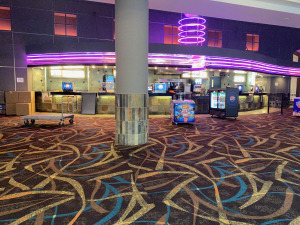
Regal UA Circle Centre movie theater closes after 29 years
The nine-screen complex on the fourth floor of Circle Centre Mall served as one of the shopping center’s original attractions.
The nine-screen complex on the fourth floor of Circle Centre Mall served as one of the shopping center’s original attractions.
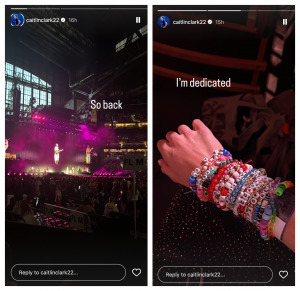
IBJ is covering Taylor Swift’s three-day visit to Indianapolis and the 200,000-some fans expected to converge on the city to attend (or try to find tickets to attend) one of the concerts at Lucas Oil Stadium. Check back regularly for updates.

Some 200,000 people were expected to be downtown for three Taylor Swift shows, and tourism officials have used music performances, activities and Swift-related decor to encourage them to return to the city.

In a year that’s included the NBA All-Star Game and U.S. Olympic swimming trials, Taylor Swift’s concerts are generating comparable business.

The longtime architect said he wants to see the neighborhood replicate a sort of Olympic Village surrounding Lucas Oil Stadium. He talked to IBJ about the progress he believes the neighborhood has made toward that goal.
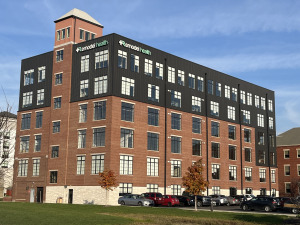
The tech-based health care benefits firm has earned spots on three of IBJ’s last four lists of fastest-growing private companies, reporting $14.8 million in 2023 revenue and 122.8% revenue growth from 2021.

The park will expand into 15 acres between the White River and Elanco Animal Health’s new headquarters and will include an event pavilion to be developed inside the remnants of a former crane bay that had been part of the original stamping plant.
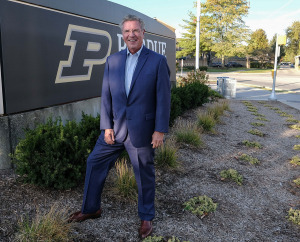
On July 1, IUPUI was split into Indiana University Indianapolis and Purdue University in Indianapolis. Purdue’s Indianapolis venture is an extension of the West Lafayette flagship campus, meaning students can study at both campuses throughout their time at Purdue.

While contractors have so far been able to keep up, the strain could get worse next year and beyond.
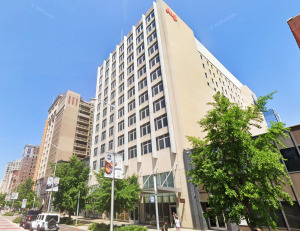
The South Bend-based developer plans to convert the 12-story Angi Inc. headquarters on East Washington Street in downtown Indianapolis into a 180-unit apartment building.
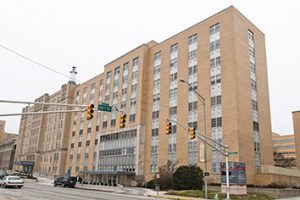
When the hospital opened its doors in 1908, Theodore Roosevelt was in the White House. It is being replaced by a $4.3 billion hospital project directly to the south.

The Indianapolis City-County Council plans to vote in the coming weeks to add two women to the board that will oversee the management of a new tax focused on improving downtown’s cleanliness, public safety and homelessness situation.
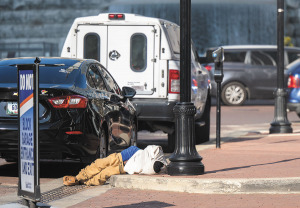
The city of Indianapolis says it has no plans to change the way it deals with homeless residents, despite a recent U.S. Supreme Court ruling that allows cities to move, ticket or arrest people sleeping on the streets.

Billionaire Chuck Surack’s real estate purchases are intended to discourage Mayor Joe Hogsett’s administration from disposing of the Indianapolis Downtown Heliport so the property could be used to build a soccer stadium.
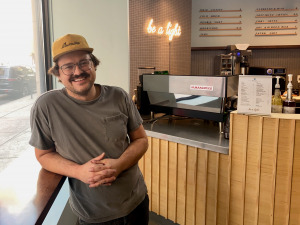
Illumine will open a location at 11 S. Meridian St., taking over a spot previously occupied by a Hubbard & Cravens Coffee and Tea shop.
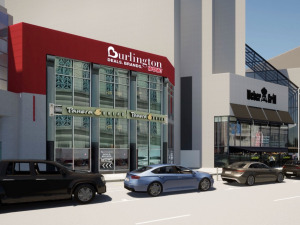
The 23,000-square-foot store will take over space in the lower level of Claypool Court previously occupied by the Rhythm! Discovery Center.

Dan Parker, chief deputy mayor of Indianapolis, revealed at an IBJ event on Tuesday that he has pitched Purdue officials on locating some of its downtown operations in one of the two available buildings on the Circle.

The bonds could be used to help fund a list of downtown projects, including improvements to Georgia Street and multiple downtown underpass projects.
Phil Ray also weighs in on the new taxing district the city is considering for beautification and public safety efforts downtown, plus the city-funded construction of an 800-room hotel that would become the JW Marriott’s biggest competitor.
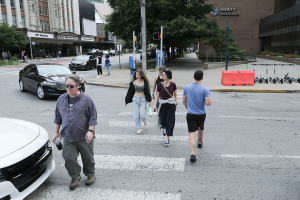
The City-County Council is expected on Monday night to approve a sweeping measure that has the ambitious goal of eliminating pedestrian fatalities by 2035.