
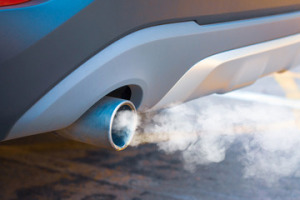
EPA issues new auto rules aimed at cutting carbon emissions, boosting EVs
The new rules relax initial tailpipe limits proposed last year but eventually get close to the same strict standards set out by the Environmental Protection Agency.
The new rules relax initial tailpipe limits proposed last year but eventually get close to the same strict standards set out by the Environmental Protection Agency.
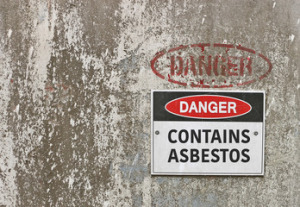
Asbestos, which was once common in home insulation and other products, is banned in more than 50 countries, and its use in the U.S. has been declining for decades.
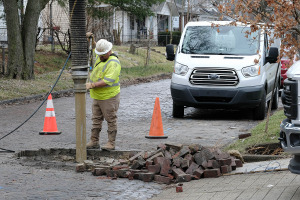
Citizens Energy Group is focusing on the Martindale-Brightwood neighborhood in the utility’s next phase of a plan—predicted to cost $500 million—to replace all remaining lead service lines that connect Indianapolis homes and businesses to water.

If approved by the Indiana Utility Regulatory Commission, AES Indiana would be on its way to becoming the first Hoosier investor-owned electric utility to stop burning coal, according to Indiana Utility Report.

Proponents of the PFAS proposal, which included many in the chemical manufacturing industry, said the definition change is needed to preserve uses of PFAS in “essential” items like lithium batteries, laptop computers, semiconductors, pacemakers and defibrillators.
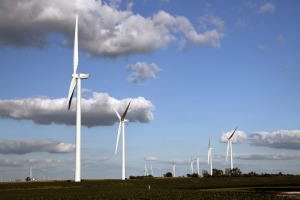
The Indianapolis-based utility said the acquisition would provide $22.2 million in cost savings to customers over the next six years and advance efforts to provide sustainable energy solutions.

Abandoned by the Senate Environmental Affairs Committee earlier this session, language that would change the definition of toxic PFAS chemicals could be inserted into another bill.
In a turnaround from previous plans, the agency said it will review standards for existing gas plants and expand the rules to include more pollutants.

Brandi Davis-Handy has worked for the utility for eight years, most recently as chief customer officer.
The proposal sought to proactively exempt the chemicals in case state or federal regulators try to ban them in the future.

Three states—Ohio, Indiana and West Virginia—and various industry groups asked the high court to put the EPA plans on hold while they work to defeat the rules in the lower courts.
HB 1399 seeks to carve out more than 5,000 “forever chemicals” from being defined as such by the state and its environmental rules board. That means chemicals deemed harmful in other states would no longer carry the same designation in Indiana.

The move comes as the Biden administration faces pressure on multiple fronts to weaken its electrification targets, in part because of slowing EV sales and also problems with public EV charging stations.
The Indiana-based manufacturer agreed late last year to pay $2 billion to settle allegations that it unlawfully altered hundreds of thousands of Ram pickup truck engines in violation of Clean Air Act emission standards.

The move, part of a broader effort to curb planet-warming emissions from household appliances, could prompt political backlash even though it reflects a compromise with U.S. manufacturers.
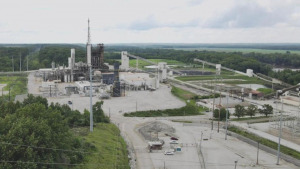
Greg Zoeller, vice president of external affairs for Wabash Valley Resources, said the approval by the EPA is validation of about five years of work to get to this point.

For decades, federal and state officials have struggled to control farm runoff, the biggest source of nutrient pollution that is not typically federally regulated.
Environmentalists say a planned 1.9-million-square-foot warehouse complex on 170 acres near I-65 and the Marion-Johnson county line is another manifestation of the continued erosion of wetlands protections in Indiana.
A proposal from the Michiana Area Council of Governments for an EV charging project based in Indiana is set to receive $4.2 million.
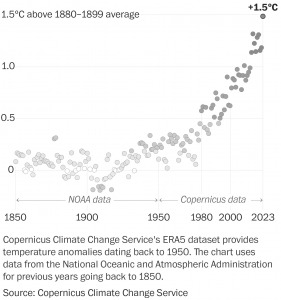
Last year shattered the previous global temperature record by almost two-tenths of a degree—the largest jump scientists have ever observed.