
Laikin’s Indy-based Novus Capital II to combine with California energy-storage firm
The arrangement values Energy Vault at $1.6 billion, a huge sum for a private company that is a relative newcomer in the burgeoning field of renewable energy.
The arrangement values Energy Vault at $1.6 billion, a huge sum for a private company that is a relative newcomer in the burgeoning field of renewable energy.
Doing so would require massive changes in U.S. policy and billions of dollars in federal investment to modernize the nation’s electric grid, a new federal report says.
Hurricane Ida is sure to take a toll on the energy, chemical and shipping industries that have major hubs along the Gulf Coast, but the extent will depend on whether refinery shutdowns are prolonged, economists suggested Sunday.
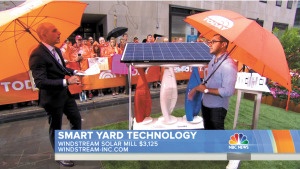
The U.S. government is suing WindStream, which shut down in 2016. It says the company owes $3.12 million in loans that the U.S. Export-Import Bank guaranteed as WindStream was expanding globally.

The Indianapolis-area electric utility claims more than a dozen insurers have refused to indemnify and defend it for coal-ash environmental cleanup that could exceed $177 million at three generating plants.
GM last week recalled Bolt EVs for the third time in nine months because of risk their batteries could catch fire. At stake is what has looked like one of the most promising partnerships in the burgeoning world of electric vehicles.
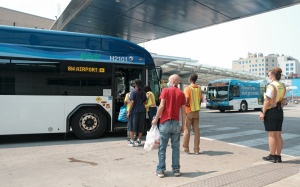
When IndyGo’s goal of an all-electric bus fleet by 2035 hit a major obstacle, the agency detoured, ordering 27 hybrid buses that are powered with both electricity and diesel.
Manufacturers of large trucks and commercial vehicles are beginning to embrace hydrogen fuel cell technologies as a way forward. So are makers of planes, trains and passenger vehicles. But without advancements, hydrogen cannot yet be considered clean energy.
The Senate dust-up Tuesday reflects long-standing disagreements on Capitol Hill over the benefits of financial incentives to spur the transition to electric vehicles, which make up about 2% of U.S. sales.

Indiana isn’t seeing the intense heat waves and flash-flooding that other parts of the world are experiencing this summer, but models show our winters will dwindle, our summers will have many more days above 95ºF and rainfall will continue to increase.
Declaring the United States must “move fast” to win the world’s automaking future, President Joe Biden on Thursday announced a commitment from the auto industry to produce electric vehicles for as much as half of nationwide sales by the end of the decade.
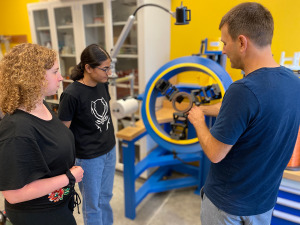
The project focuses on whether wireless charging could be adapted for highway use, allowing electric vehicles to refresh their batteries while they drive along specially equipped stretches of road.
The company plans to invest $47 billion in battery-driven vehicles between 2022 and 2080. It says it also intends to work with partners on setting up eight factories producing battery cells.
A trust overseeing cleanup of Superfund site north of Zionsville is suing an environmental remediation firm after tests showed contaminant levels in the target area were higher than expected. The company has filed its own suit against the trust.

Kinetrex, formed by Citizens Energy in 2013 and sold to a Chicago private equity firm four years later, said it was looking for a larger partner to help it increase its presence in renewable natural gas.

A city proposal to require tracking of municipal and commercial energy use could save millions of dollars, reduce emissions by thousands of tons and cut water usage by billions of gallons in less than a decade.
The company that combined Fiat Chrysler and Peugeot is developing four fully electric vehicle platforms with ranges from 311 miles to 497 miles, it said.

The technology could soon scale up to commercial-level production under a demonstration project planned by Hasler Ventures LLC.
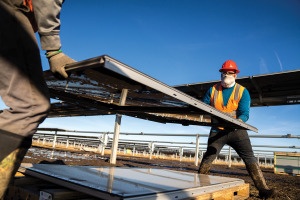
While businesses were laying off employees last year by the boatload because of the pandemic, an Indianapolis company that specializes in building wind and solar farms hired scores of people to tackle new projects nationwide.

The benefit can reimburse the cost of using a bike-sharing program, parking and even maintenance to cover two tune-ups a year, the company said.