
Biofuels producers, farmers not sold on switch to electric
Biofuels producers and some of their supporters in Congress say now is the time to increase sales of ethanol and biodiesel, not abandon them.
Biofuels producers and some of their supporters in Congress say now is the time to increase sales of ethanol and biodiesel, not abandon them.
The proposed changes arrive as members of the General Assembly decide whether the state should adopt greener initiatives or scale back current policy protecting water, energy and other resources.
Daniel Poynter, a former software developer and executive coach to social entrepreneurs, spent 11 months in 2019 using his savings to study climate full time.
The fine represents the third time since 2017 that NIPSCO has received a substantial fine for similar violations. The money the utility will pay for the fine will go into Indiana’s general fund.
The world’s major automakers have made something abundantly clear: They believe electric vehicles will dominate their industry in the years ahead. But the American public is far from sold on the idea.
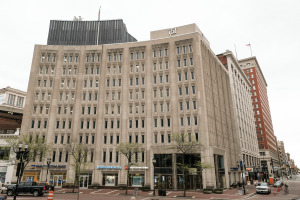
One of Indianapolis’ oldest companies, Indianapolis Power & Light Co., is testing whether putting on a whole new look will help it get more recognition and affection than utilities’ normally see.
Over the past year, wholesale prices are up 2.8%, the largest 12-month gain at the wholesale level in more than two years.
The utility wants permission to pass along the cost of those incentives to all of its 500,000 customers in the state in the form of higher rates in coming years, whether or not they drive an electric vehicle.
The utility’s R. Gallagher power plant, which boasts twin smokestacks that have long towered over the Ohio River city of New Albany, was scheduled to be retired in 2022, but will now close much earlier.
The federal government announced Monday that it will support the ethanol industry in a lawsuit over biofuel waivers granted to oil refineries under President Donald Trump’s administration.
Authorities ordered 7 million people—a quarter of the population of the nation’s second-largest state—to boil tap water before drinking it, following record low temperatures that damaged infrastructure and pipes.
A deep freeze in the Gulf state region and beyond that killed dozens of people, left millions without power and jeopardized drinking water systems also forced as many as 11 refineries offline, according to travel app GasBuddy.
The Bolt will bring the total number of EVs on sale in the U.S. to at least 23, and Edmunds.com expects that figure to reach 30 this year.
The vote followed a passionate debate between renewable energy advocates and a group of residents and local officials who said legislation would take away local control.

Wetlands would still be regulated by the federal government under the Clean Water Act, but that oversight would only apply to about 20% of the remaining wetlands.
The electric-vehicle industry has grown exponentially in the past decade but still represents less than 2% of automobiles sold in the United States.
President Joe Biden has set a goal of eliminating pollution from fossil fuels in the power sector by 2035 and from the U.S. economy overall by 2050, speeding growth of solar and wind energy and lessening the country’s dependence on oil and gas.
Oil and gas extracted from public lands and waters account for about a quarter of annual U.S. production.
Many experts agree that Biden’s actions could help the nation achieve ambitious climate goals and enhance the renewable energy sector. Others say they worry more that stricter regulations could hurt companies struggling to recover from the pandemic
Keystone XL President Richard Prior said over 1,000 jobs, the majority unionized, will be eliminated. The premier of the oil-rich Canadian province of Alberta called the decision an “insult” and said the Canadian government should impose trade sanctions.