New York sues 3M, DuPont, Corteva and others over so-called forever chemicals
The lawsuit is the latest legal action over PFAS, which have been linked to an increased risk of certain cancers and developmental delays in children.
Read More
The lawsuit is the latest legal action over PFAS, which have been linked to an increased risk of certain cancers and developmental delays in children.
Read More
The case came before the justices after a tidal wave of litigation that included some multibillion-dollar verdicts against the global agrochemical manufacturer Bayer.
Read More
The suit argues that California’s recently finalized regulations will gradually force all companies to modify their plastics packaging.
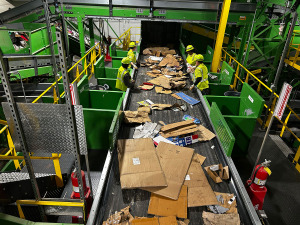
In 2012, WM had just 30 optical sorters across 100 facilities, he said. The Indianapolis facility alone has 13.

The 2026 Men’s Final Four Sustainability Plan is a collaboration between the NCAA, Indiana Sports Corp., environmental groups, corporate partners and student researchers to max out the event’s carbon-reduction efforts and recycling programs.
Environment groups have filed a lawsuit to shut the coal units down.

The owners of Digs Garden Center sold the property to a group that has invited the trees-and-flowers firm to return as tenants. It’s also reviving their plans for a neighborhood bar.

Attendees will be asked for input on developing a regional water planning framework, enhancing Indiana’s water monitoring networks and creating an online water data and management platform.

The group wants the city to dedicate funding to buy forested areas, to protect them from private development.
Gov. Mike Braun signed an executive order for state agencies to keep businesses in mind when setting environmental rules. That directive could soon materialize in changes to rules governing the Indiana Department of Environmental Management.
The change is part of the Trump EPA’s broader goal of slashing regulations, saying they are hindering economic growth.

Companies like Amazon, which provides same-day or overnight shipping in many cases, are changing their delivery vehicles and processes to minimize environmental impact.

Earlier this month, Beijing announced that it will require foreign companies to get approval from the Chinese government to export magnets containing even trace amounts of rare-earth materials.

SePro offers water-quality analysis services and chemicals that address problems such as algae blooms and invasive weeds in surface water sources ranging from backyard ponds to large lakes and reservoirs.

Four data center proposals in the Indianapolis area are facing a dynamic that’s emerging here and elsewhere: The operators working to build data centers here vs. the neighbors trying to stop them.
U.S. District Judge Mary McElroy, who was appointed by President Donald Trump, sided with conservation and nonprofit groups.
Administrator Lee Zeldin claims that the Greenhouse Gas Reduction Fund is part of a “scheme” administered by the previous administration without proper oversight.

Senate Bill 307 would allow the Indiana Brownfields Program to be used to study brownfields and to create a statewide inventory, although the bill provides no funding for the task.

Potential rollbacks of Biden-era policies that incentivized electric vehicle production and ownership have stirred apprehension among some local economic development officials across the state.

Nearly 20 people expressed those worries Tuesday night to members of the Noblesville City Council during a public hearing about a zoning change that would allow development of the 175-acre Morse Village.
The move comes nearly 40 years after Congress determined that lead pipes posed a serious risk to public health and banned them in new construction.

The company’s signature technology, called Verifli, uses infrared imagery, data analytics and a smartphone app to determine the size of the bee colony inside a hive—a faster and less invasive method than manually inspecting the hive.