
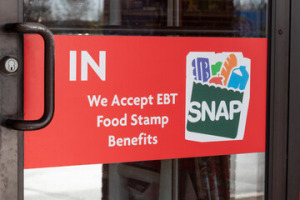
Indiana set to distribute partial November SNAP benefits
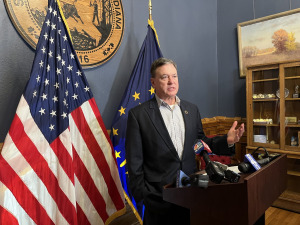
Gov. Mike Braun’s office said Supplemental Nutritional Assistance Program benefits for November should be available on EBT, or Electronic Benefits Transfer, cards on Tuesday.
Gov. Mike Braun’s office said Supplemental Nutritional Assistance Program benefits for November should be available on EBT, or Electronic Benefits Transfer, cards on Tuesday.
The shutdown, now in its 41st day, could last a few more days as members of the House return to Washington, D.C., to vote on the legislation.
It is unclear when the Senate will hold final votes on the legislation. But Johnson said the “nightmare is finally coming to an end” after the Senate voted 60-40 to consider a compromise bill to fund the government.

The announcement comes on the heels of a deal with the Trump administration to expand access to weight-loss drugs and reduce costs for patients on government-funded insurance and those paying out of pocket.

Transportation Secretary Sean Duffy made clear last week that flight cuts will remain in place until the FAA sees safety metrics improve.
The request is the latest in a flurry of legal activity over how a program that helps buy groceries for 42 million Americans should proceed during the historic U.S. government shutdown.
Democrats had previously voted 14 times not to reopen the government as they demanded the extension of tax credits that make coverage more affordable under the Affordable Care Act.

In addition, nearly 10,000 flight delays were reported on Sunday alone, according to FlightAware, a website that tracks air travel disruptions.

Logistics companies say consumers shouldn’t expect delays on packages due to the reduction in flights—for now. But they put a strain on the supply chain ahead of the all-important holiday shopping season.
The demand from the U.S. Department of Agriculture came as more than two dozen states warned of “catastrophic operational disruptions” if the Trump administration does not reimburse them.
Lawmakers in both parties were feeling increased urgency to reopen the government Friday as the partisan impasse over the shutdown continued into its 38th day.
Officials in more than a half-dozen states confirmed that some SNAP recipients already were issued full November payments on Friday. But Jackson’s order could prevent other states from initiating the payments.

The shift in approach has upended a broad bipartisan consensus on the need to quickly phase out domestic use of hydrofluorocarbons.
Shortly after the judges’ rulings, lawyers for the administration filed a motion to appeal, contesting both Thursday’s decision and the earlier one from Saturday that ordered the federal government to use emergency reserves to fund the food program throughout November.
The affected Indiana Department of Health workers will not be eligible for back pay, which federal employees have typically received following furloughs during previous government shutdowns.
The lawsuit alleges Indianapolis Public Schools maintains policies that violate Indiana’s anti-sanctuary statute.

Thursday’s announcement is the latest attempt by the Trump administration to rein in soaring drug prices in its efforts to address cost-of-living concerns among voters.

The FAA is imposing the flight reductions to relieve pressure on air traffic controllers who are working without pay during the government shutdown and have been increasingly calling off work.

The cutback stands to impact thousands of flights nationwide because the FAA directs more than 44,000 flights daily, including commercial passenger flights, cargo planes and private aircraft.
Now in its 36th day, the shutdown has surpassed the previous record set in early 2019 during President Donald Trump’s first term.