
A fair, a UFC fight, a prayer event: Trump’s plans for nation’s 250th
The celebration will begin on New Year’s Eve. The Washington Monument will be lit with “festive birthday lights to honor the start of this historic anniversary year,” Trump said.
The celebration will begin on New Year’s Eve. The Washington Monument will be lit with “festive birthday lights to honor the start of this historic anniversary year,” Trump said.
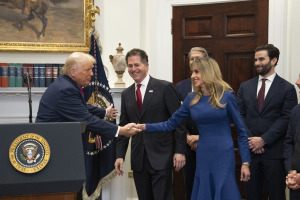
Under the terms of the One Big Beautiful Bill law that created it, the federal government will seed each Trump Account with $1,000 for every U.S. citizen born from 2025 through 2028.
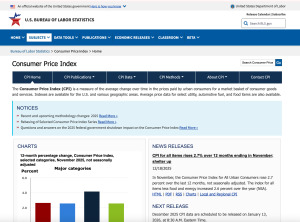
The issue arose again Thursday when the Labor Department announced a surprisingly low inflation figure of 2.7% for November. Economists immediately noted quirks that could have artificially lowered the rate.

The U.S. venture will have a new, seven-member majority-American board of directors. It will also be subject to terms that “protect Americans’ data and U.S. national security.”
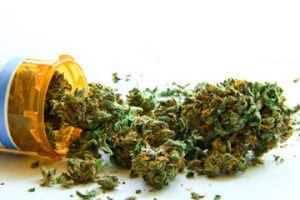
For several years, the common refrain among some state lawmakers has been that they had no desire to tackle the issue until the federal government reclassified the drug. That argument will be removed if the president’s order receives federal regulatory approval as directed.

Reclassification by the Drug Enforcement Administration would not make it legal for recreational use by adults nationwide, but it could change how the drug is regulated and reduce a hefty tax burden on the cannabis industry.

The 232nd set—containing the last three pennies ever made—sold for $800,000. That bidder also got the three dies that struck those Lincoln cents.

Members of Congress from both parties, as well as civil liberties and consumer rights groups, have pushed for more regulations on AI, saying there is not enough oversight for the powerful technology.
If you and I ignore Trump, in three years America may not be our America.

Sen. Maria Cantwell said former CEO Bryan Bedford vowed to sell all his shares in Carmel-based Republic Airways within 90 days of his confirmation, but 150 days have now passed.
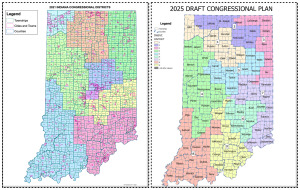
Gov. Mike Braun vowed to work with President Trump—who for months has pushed for more winnable seats for the GOP ahead of the 2026 midterms—to encourage primary challengers to those “no” voters.
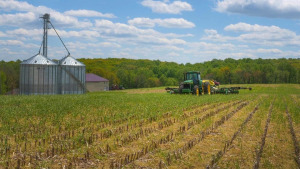
U.S. farmers have suffered from persistently low commodity prices, rising costs and declining sales.
Democratic amendments failed Wednesday as Republicans prepare for a tight, final vote on the contentious remap.
President Trump has been under pressure to approve an aid package for farmers, who have struggled under sinking crop prices and increasing costs for equipment, fertilizer and other production expenses.

The judge said the effort to halt virtually all leasing of wind farms on federal lands and waters was “arbitrary and capricious” and violates U.S. law.

The aid comes amid rising frustration among farmers on the slow pace of Chinese purchases, which Beijing clamped down on earlier this year in retaliation for Trump’s escalating tariff barrage.

At issue in the pair of combined cases before the Supreme Court is whether the president exceeded his authority by relying on a 1977 law to impose the tariffs.
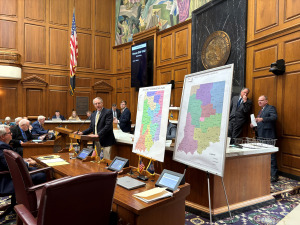
The Indiana House passed a set of new congressional maps that would give Republicans a marked advantage in the next election. Twelve Republicans joined Democrats in voting against the legislation, which now heads to the Senate.

The Transportation Department proposal represents the administration’s latest bid to unwind a suite of policies spurring electric vehicle production that Trump has derided as an “EV mandate.”

More than 10,000 flights were cut between Nov. 7, when the Federal Aviation Administration directed airlines to cancel up to 6% of their domestic flights, and when the restrictions were fully lifted on Nov. 16.