
UPDATE: Pence signs bill trimming ISTEP times
The changes are expected to shave at least three hours off the test for all grades plus an additional hour in 5th and 7th grades.
The changes are expected to shave at least three hours off the test for all grades plus an additional hour in 5th and 7th grades.
The conservative-leaning American Legislative Exchange Council, which drafts model legislation for state legislatures, will host its annual meeting in Indianapolis in 2016.
The Indiana House will wait at least until Tuesday to vote on legalizing Sunday carry-out alcohol sales.
Gov. Mike Pence has kept to his largely hands-off approach to dealing with the Indiana Legislature, even as he has stepped into the middle of some high-profile issues during his third year in office.
Like Common Core to the education world, the utility issue of net metering is drawing opposition from conservative groups with a libertarian bent.
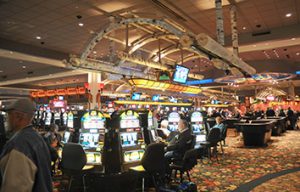
Local economic agreements between the state’s casinos and local communities would be scrapped and the admissions tax that provides revenue to local governments eliminated.
A measure that would legalize the chemical disposal of human bodies has passed an Indiana House committee, but a similar measure has died in an Indiana Senate committee.
The changes, combined with declining enrollments in a number of schools, mean that 91 of the state’s 289 traditional districts would receive less overall funding in 2016 than this year.
Indiana is one step closer to placing regulations on e-liquids used in electronic cigarettes and vapor pens after a House committee passed a bill on Wednesday, sending it to the full House for debate.
A controversial bill to change the guidelines governing Hoosiers using alternative energy sources – including solar and wind power – passed a House Committee on Wednesday.
The Republican-controlled House Labor Committee voted 8-4 Tuesday in favor of eliminating the boards that set construction wages for each state or local project costing more than $350,000.
A spending plan released Monday by Indiana House Republicans includes nearly twice as much money as Gov. Mike Pence proposed for a medical school campus in downtown Evansville.

IPS would see a 6-percent reduction in state tuition aid by 2017 despite being one of the state’s poorest districts, with more than 75 percent of children coming from families that are poor enough to qualify for free or reduced-price lunch.
The move could set off a new battle with labor unions three years after Republicans pushed through the state’s right-to-work law, which drew thousands of union protesters.
The proposal to extend a sales-tax exemption to equipment purchases by manufacturers was expected to cost Indiana as much as $240 million per year in tax revenue.

A bill that would provide state and local tax revenue for a new soccer stadium in downtown Indianapolis sailed through the House Ways and Means Committee Monday morning.
Organizers of the rally are targeting bills moving through the Statehouse that would shift some authority from state schools Superintendent Glenda Ritz.
The leader of the Indiana House says a state budget proposal set for release Monday will include a larger funding increase for public schools than Gov. Mike Pence sought in his spending plan.
The leaders of Indiana communities hit hard by methamphetamine are arguing for a state law requiring prescriptions to buy cold and allergy pills.
The Legislative Services Agency estimates a ticket tax at the proposed venue would generate no more than $519,000 a year for debt repayment.